

A Guide to Replacing the Radiator in Your 2004-2008 Toyota Corolla
Everything you need to know about choosing the right new aftermarket radiator for your Corolla.
- The most common radiator failure on this Corolla is cracking of the plastic end tanks.
- Driving with a bad radiator can cause catastrophic engine damage; do not drive if it is overheating.
- Always replace the radiator cap with the radiator, and it is highly recommended to replace the hoses and thermostat at the same time.
- Use the correct pink Toyota Super Long Life Coolant or a compatible P-OAT fluid to protect your engine.
Is It Time for a New Radiator?

For the 2004-2008 Toyota Corolla, the original radiator can last a long time, but it won't last forever. The most common failure is the plastic tanks on the top and bottom becoming brittle and cracking, or the aluminum core developing leaks. If you're noticing any of the symptoms below, it's time to consider a replacement.
Symptoms of a Failing Radiator:
- Engine Overheating: The temperature gauge on your dashboard climbing into the red is a serious warning sign.
- Visible Coolant Leaks: You might see puddles of pink or red fluid under the front of your car. Sometimes, you'll see dried, crusty red crystals on the radiator itself.
- Steam from the Hood: If you see steam, it means coolant is boiling and escaping the system. Pull over immediately and turn off the engine to prevent severe damage.
- Low Coolant Level: Frequently having to top off your coolant reservoir is a sure sign of a leak somewhere in the system.
Can I Drive with a Bad Radiator?
No. Driving with a faulty radiator is a major risk. It can quickly lead to a severely overheated engine, which can cause catastrophic damage like a warped cylinder head or a blown head gasket—repairs that can cost thousands of dollars.
Choosing the Right Aftermarket Radiator

When your Corolla was new, it came with a high-quality radiator, likely made by Denso, who is an Original Equipment Manufacturer (OEM) for Toyota. For a car that's over 15 years old, a new aftermarket radiator is a smart and affordable choice. Here’s a breakdown of the types of brands available:
- OEM Supplier / Premium Aftermarket (Denso, CSF, Mishimoto, Nissens): These brands are known for quality that meets or exceeds the original part. Denso is the original supplier, so their aftermarket part is a direct equivalent. CSF and Mishimoto are also highly regarded for their construction and reliability. These are excellent choices if you plan to keep your Corolla for many more years.
- Quality Aftermarket (Spectra): Brands like Spectra offer a great balance of price and performance. They are designed to fit and function like the original and are a very popular choice for daily drivers.
- Economy (APDI, One Stop Solutions, Onix): These are your budget-friendly options. They will get your car back on the road and meet basic requirements. While they are a good value, they may not have the same long-term durability or warranty as the more premium brands.
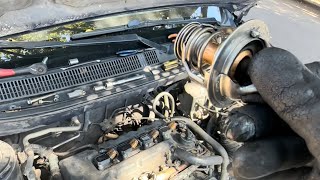
Pro Tip: When you replace the radiator, it's highly recommended to also replace the radiator cap, thermostat, and the upper and lower radiator hoses. 🎬 Watch: How to replace the thermostat while the system is drained. These parts are inexpensive and wear out over time. Replacing them all at once saves you from having to do the job twice.
Common Ordering Mistakes

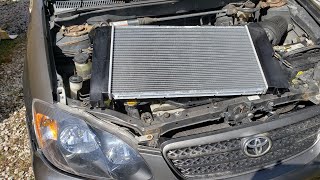
The main difference in radiators for the 2004-2008 Corolla is between automatic and manual transmissions. Radiators for automatic transmission models have an integrated transmission fluid cooler 🎬 See how to remove and install the radiator and fans. at the bottom. Be sure to order the correct one for your vehicle, although most aftermarket radiators are designed to fit both, with the cooler ports simply being capped off for manual transmission cars.
| Part/Service | Estimated Cost |
|---|---|
| New Aftermarket Radiator | $90 - $135 |
| New OEM Radiator | $260 - $375 |
| Shop Labor | $307 - $450 |
| Total Professional Replacement (Aftermarket Part) | $397 - $585 |
Frequently Asked Questions

What kind of coolant should I use in my 2004-2008 Corolla?
You should use Toyota Super Long Life Coolant (pink) or a compatible Asian vehicle phosphated (P-OAT) antifreeze. Do not mix different types of coolant.
Is replacing the radiator a DIY job?
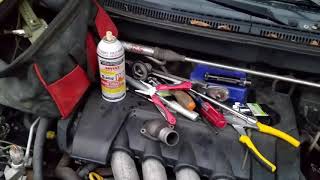
Yes, for a mechanically inclined person with the right tools, this is a very manageable DIY project. It involves draining the coolant, disconnecting hoses and cooling fans, and unbolting the radiator. There are many video guides available online that walk through the process. 🎬 Watch this step-by-step guide to replacing your Corolla radiator. If you are not comfortable, a professional mechanic can do the job in a few hours.
Are there any recalls for the radiator on this Corolla?
No, there have been no specific recalls issued by the NHTSA for the radiator on the 2004-2008 Toyota Corolla. Recalls for this vehicle have primarily concerned airbags.
Do I need to replace my radiator cap?
Yes. A radiator cap is a critical component that holds pressure in the system. A weak or failing cap can cause overheating issues. It's inexpensive and always a good idea to replace it with the radiator.
Helpful Videos

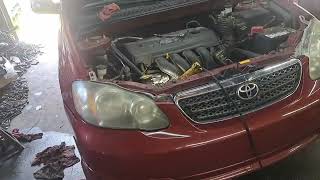
Technical Specifications
OEM Part Numbers: 164000D240 16410AZ001 164000D230 1640021140 1640021160
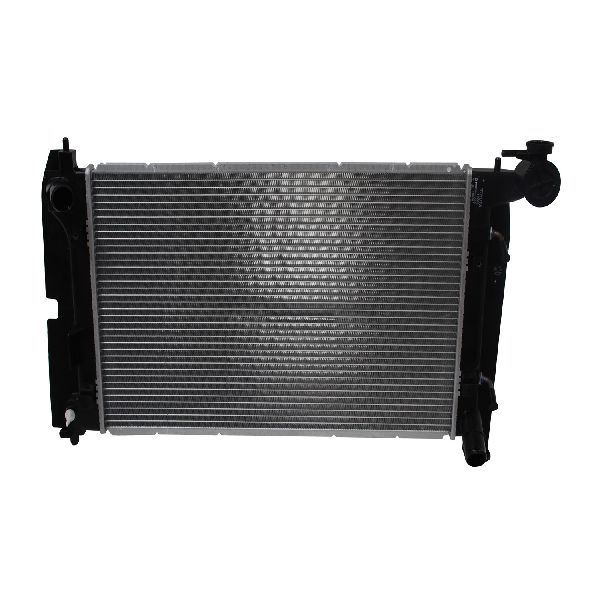
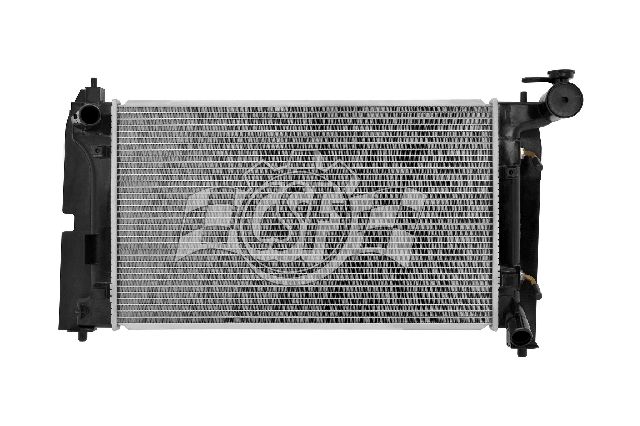
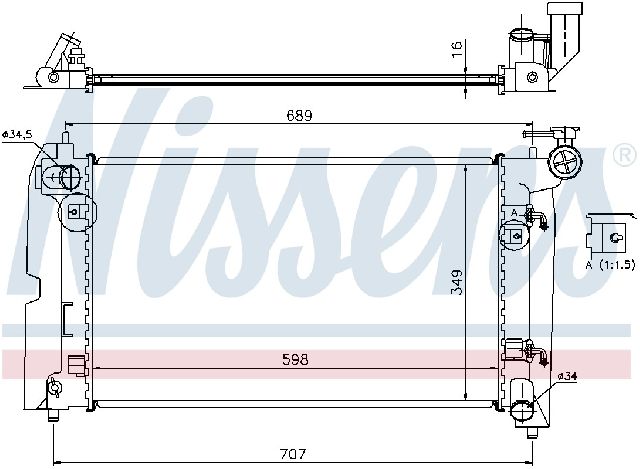
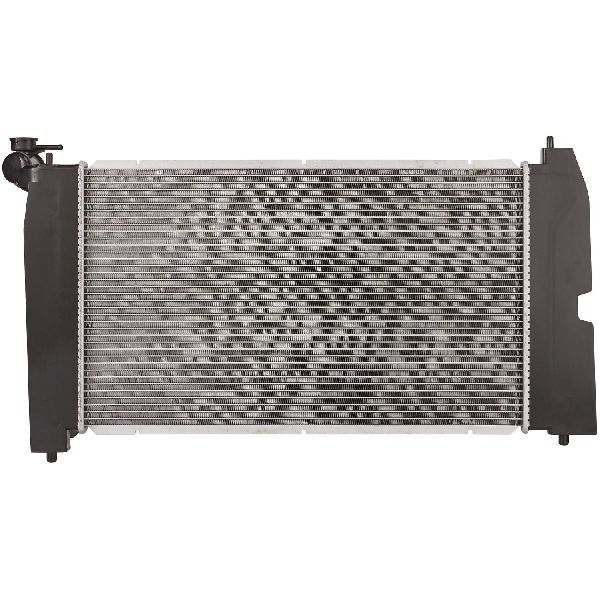
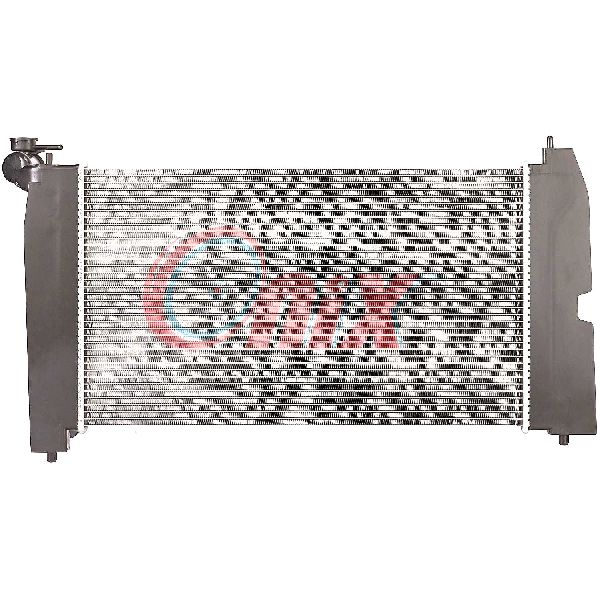
The standard radiator for this generation features a crossflow design with an aluminum core and plastic tanks. Models with automatic transmissions include an integrated transmission oil cooler. Core thickness is typically around 5/8 inch.
We Have This Part in Stock


The information in this article is provided for general reference and educational purposes only. Vehicle specifications, procedures, and part compatibility can vary by production date, trim level, and region. Always consult your vehicle's factory service manual and verify part numbers before purchasing or performing repairs. Safety-critical components such as airbags, seat belts, and braking systems should be installed by a qualified professional.
- Toyota Corolla: