

A Guide to Intercooler Hose Replacement for the 2004-2008 Volkswagen Golf (Mk5)
Leaking boost and losing power? Here's what you need to know about fixing the intercooler hoses on your Mk5 VW Golf.
- A sudden loss of power, black smoke (on TDIs), or a hissing noise are key signs of a failed intercooler hose.
- Verify the exact part number for your engine (TDI vs. FSI) and hose location, as they are not interchangeable.
- Stock rubber hoses fail due to heat, pressure, and oil contamination; upgraded silicone hoses offer better durability.
- Ensure new hoses are fully seated and retaining clips are secure to prevent them from popping off under boost.
Signs of a Failing Intercooler Hose
A problem with an intercooler hose is what mechanics call a "boost leak." Since these hoses are under pressure, any split, crack, or loose connection lets the pressurized air escape instead of going into your engine. Over time, the original rubber hoses are exposed to heat, pressure, and oil vapor from the engine's crankcase ventilation system, which causes them to soften, swell, and eventually fail. Here are the common symptoms you'll experience.
Common Failure Symptoms
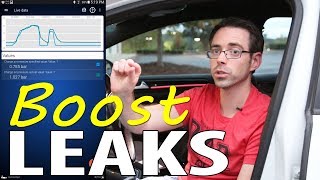
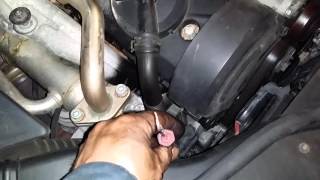
Use the list below to diagnose a potential intercooler hose issue. 🎬 See this guide on how to check for boost leaks One of the most common signs is a sudden "pop" followed by a major loss of power, which happens when a hose completely blows off its connection.
| Symptom | Description | Severity |
|---|---|---|
| Loss of Power | Your Golf feels sluggish and doesn't accelerate like it used to. This is the most common sign of a boost leak. | Moderate |
| Audible Hissing Noise | You may hear a whistling or hissing sound from the engine bay when you accelerate, which is the sound of air escaping from a split hose. | Minor |
| Black Smoke from Exhaust | Particularly on TDI models, a boost leak disrupts the air-fuel ratio. The engine runs rich (too much fuel), and the unburned fuel exits the tailpipe as black smoke. | 🎬 Watch: How to fix black smoke issues on TDI modelsModerate |
| Check Engine Light (CEL) | A significant leak will cause the engine's computer to detect a problem with the turbocharger's boost pressure, triggering a CEL. The most common trouble code is P0299 (Turbo/Supercharger Underboost). | 🎬 Watch: How to check for boost leaks using OBD ElevenSerious |
| Poor Fuel Economy | When the engine isn't running efficiently due to a boost leak, it will consume more fuel than normal. | Minor |
Choosing the Right Aftermarket Hose
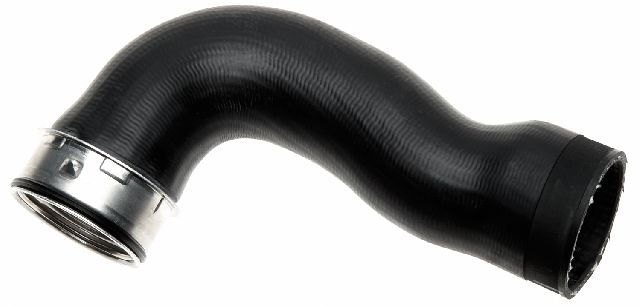
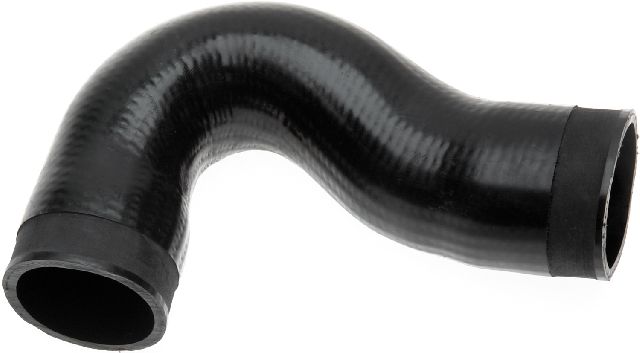
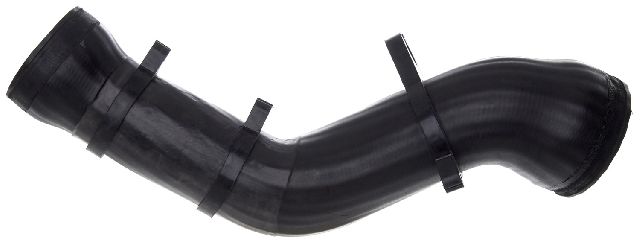
When shopping for a new intercooler hose for your Mk5 Golf, you have a few options. It is critical to get the correct hose for your specific engine (e.g., 1.9L TDI, 2.0T FSI) and its exact position, as there are multiple hoses in the system and they are not interchangeable.
Pro Tip: When you remove the old hose, check for oil inside. A light coating is normal, but a large amount of pooled oil can indicate a separate issue with your turbocharger or PCV system that should be addressed. This oil contamination is a primary cause of rubber hose failure.
Aftermarket Brand Tiers
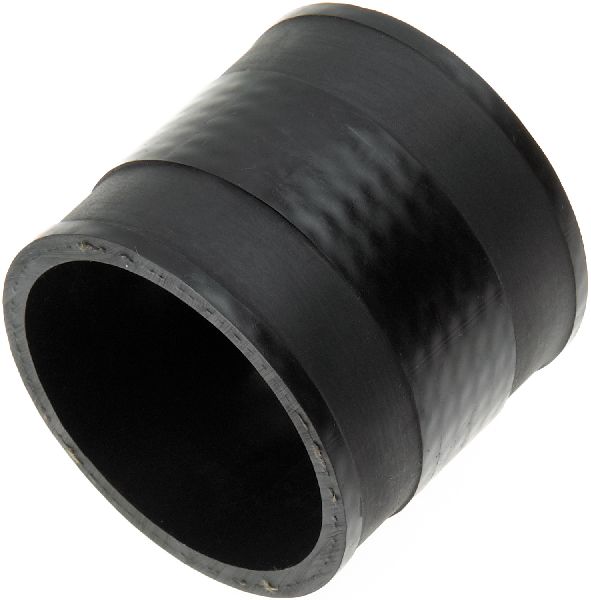
- Standard Replacement (Vaico, etc.): These are direct, OEM-style replacements. Brands like Vaico produce parts that are designed to fit and function just like the original rubber hose. This is a cost-effective way to get your car back on the road, but it will likely have the same lifespan as the original part.
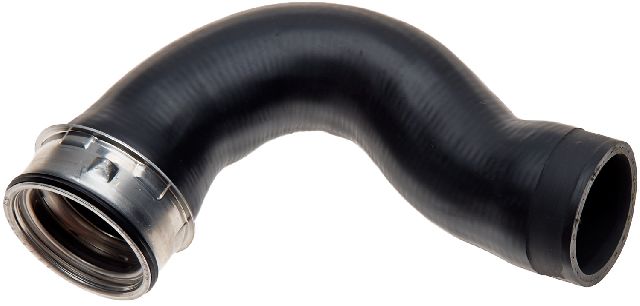
- Upgraded Replacement (Gates, Silicone Kits): For better longevity and performance, consider an upgraded hose. Gates is a reputable brand known for quality rubber products. For a more significant upgrade, multi-ply silicone hose kits are a popular choice. Silicone is more resistant to heat, pressure, and oil degradation than the stock rubber, making it a smart investment, especially if your car is tuned for higher boost.
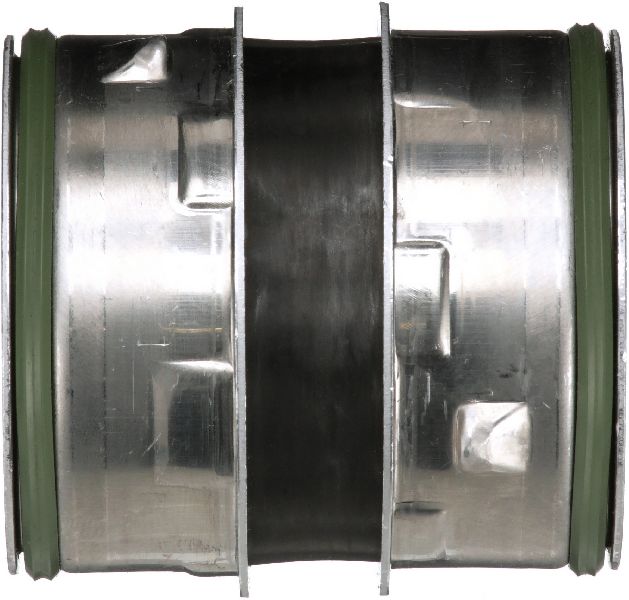
A Note on Connectors: The 2004-2008 Golf uses quick-connect style fittings that are known to wear out and leak. Some aftermarket kits replace these with more reliable traditional hose and clamp setups. If you're repeatedly having issues with hoses popping off, this is an upgrade worth considering.
Intercooler Hose Replacement Cost
The cost to replace an intercooler hose depends on whether you do it yourself and the type of part you choose. The job is possible for a DIYer, but access can be tight, often requiring removal of the engine undertray.
| Item | Estimated Cost |
|---|---|
| Shop Labor | $120 - $300 |
| New OEM Hose | $65 - $275 |
| New Aftermarket Hose | $26 - $157 |
Frequently Asked Questions (FAQ)
Can I still drive with a leaking intercooler hose?
You can, but it's not recommended for long. A small leak will cause poor performance and fuel economy. A large leak or a hose that has completely popped off will put the car in a low-power "limp mode" and can make the car nearly undrivable. It's best to get it fixed as soon as possible to avoid putting extra strain on your turbocharger.
Are there any recalls for the intercooler hose on my Golf?
No. While there was a recall for the high-pressure fuel pump on some 2004-2005 TDI models, there have been no specific safety recalls issued by the NHTSA for intercooler hoses on the 2004-2008 Volkswagen Golf.
What tools do I need to replace an intercooler hose?
You'll need basic hand tools, including a socket set, Torx bits (T25/T30 are common), and a flat-blade screwdriver to release the retaining clips. Depending on the hose location, you may also need to safely jack up the car and use jack stands to access it from underneath.
Why did my new hose pop off right after I installed it?
This is a common and frustrating problem. It's crucial to make sure the hose is pushed all the way onto the connection point and that the metal retaining clip is fully seated in its groove. Sometimes the lugs on the plastic or metal pipe that the hose connects to can become worn, preventing a secure connection. Cleaning both ends of the connection before installation can also help ensure a proper seal.
Helpful Videos

Technical Specifications
OEM Part Numbers: 1K0145838C 1K0145838D 1K0145832AS 1J0145838T 1K0145838N
Hoses are specific to engine type (TDI/FSI) and location (hot side/cold side, upper/lower). Connections are typically a quick-connect style with a metal retaining clip. Material is either multi-ply rubber (OEM) or silicone (upgraded aftermarket).
We Have This Part in Stock

The information in this article is provided for general reference and educational purposes only. Vehicle specifications, procedures, and part compatibility can vary by production date, trim level, and region. Always consult your vehicle's factory service manual and verify part numbers before purchasing or performing repairs. Safety-critical components such as airbags, seat belts, and braking systems should be installed by a qualified professional.
- Volkswagen Golf: