

Volkswagen Touareg Engine Camshaft Position Sensor Guide (2004-2008)
Having starting issues or a rough idle on your Touareg? Your camshaft position sensor could be the culprit.
- A failing camshaft sensor can cause serious drivability issues including stalling, no-starts, and rough running.
- For VWs, using a high-quality OEM or premium aftermarket brand like Bosch is strongly recommended to avoid repeat failures.
- The Touareg has multiple engine options (V6, V8, V10) that use different sensors; always verify the correct OEM part number before purchasing.
- While DIY replacement is possible, the sensors are in a tight spot at the back of the engine, making access difficult.
Is Your Touareg's Camshaft Sensor Failing?
A bad camshaft position sensor can cause problems that range from annoying to leaving you stranded. The sensor is exposed to intense engine heat and can fail from age, heat cycles, or oil leaks that contaminate the wiring. Because it's so important for engine timing, a failing sensor can mimic other serious issues, but often, it's a straightforward fix.
Symptoms of a Bad Camshaft Position Sensor
If your Touareg's camshaft position sensor is going bad, you'll likely notice one or more of these signs:
🎬 Watch: 7 telltale signs of a bad camshaft sensor- Check Engine Light: This is the most common symptom. A scan tool will usually show codes between P0340 and P0349.
- Engine Won't Start: The engine may crank but refuse to start because the computer doesn't know when to send fuel and spark.
- Hard Starting: You might have to crank the engine for a long time before it finally starts.
- Stalling: The engine may suddenly shut off while you're driving or idling at a stoplight, which can be dangerous.
- Rough Idle and Misfires: The engine may shake, sputter, or run unevenly when stopped.
- Poor Acceleration: Your Touareg may feel sluggish and lack power, especially when trying to accelerate or go uphill.
- Decreased Fuel Economy: A bad sensor can cause the engine to use more fuel than necessary.
A Note on Related Issues
Sometimes, camshaft sensor fault codes can be triggered by other problems, like a stretched timing chain or failing camshaft adjusters. If you hear a rattling noise from the engine at idle, it's wise to have a mechanic investigate for timing chain issues before replacing the sensors.
Choosing the Right Aftermarket Sensor
When it comes to sensors for a Volkswagen, quality matters. While there are many budget-friendly aftermarket options, owner experiences and mechanic recommendations strongly suggest that this is not a part to save money on. Low-quality sensors are known to fail prematurely or not work correctly out of the box, leading to the same problems and forcing you to do the job twice.
Here’s a breakdown of your options:
- Tier 1: OEM & Premium OEM Suppliers (Bosch, Vemo): Your most reliable choice is a genuine VW sensor or one from a brand that supplies Volkswagen directly, like Bosch. These parts are built to the exact specifications for your Touareg's engine and are the most likely to provide a long-term solution. Vemo is another German brand known for quality sensors.
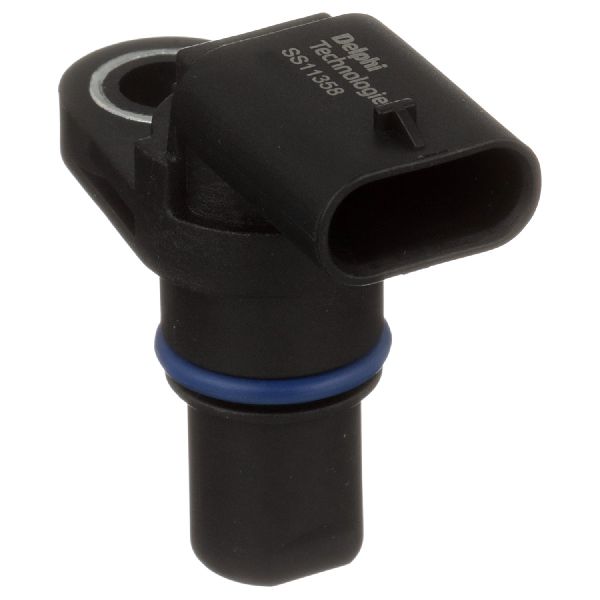
- Tier 2: Reputable Aftermarket Brands (Delphi, NGK, Beck Arnley, Standard Ignition): Brands like Delphi and NGK have a solid reputation for producing reliable electronic components that meet or exceed OE standards. Beck Arnley focuses on matching OE form, fit, and function for foreign nameplates. These are a good alternative if an OEM part isn't available.
- Tier 3: Economy Brands (URO Parts, Dorman, Facet, Store Brands): While brands like URO Parts and Dorman offer direct-fit replacements at a low price, their quality can be inconsistent for sensitive electronics on German vehicles. Using these parts can be a gamble; they might work fine, or they could fail quickly, leading to more frustration. One owner reported an aftermarket sensor having a loose internal connection, a problem that was solved by switching to a genuine VW part.
Pro Tip: Verify Your Part Number
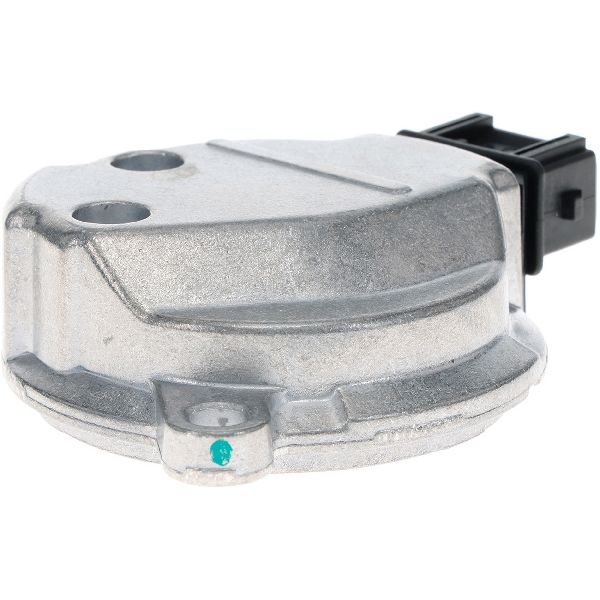
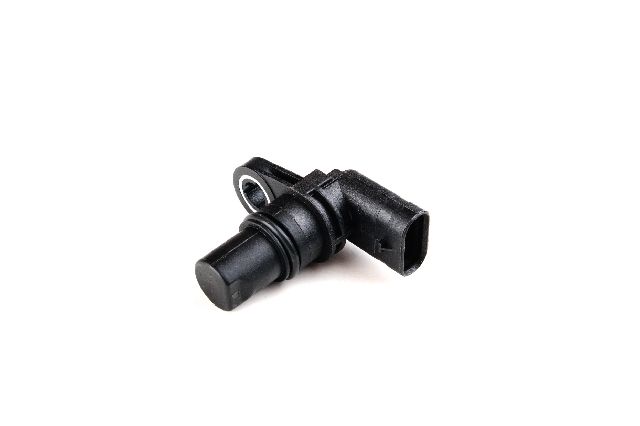
The 2004-2008 Touareg was available with V6, V8, and V10 engines, and they often use different camshaft position sensors. Always verify the OEM part number for your specific engine before ordering. One owner noted they received the wrong part when ordering online, so double-checking is essential.
Cost of Replacing a Touareg Camshaft Position Sensor
Here are the typical costs you can expect. Prices vary based on your engine type and the brand you choose.
| Part Type | Estimated Cost |
|---|---|
| New OEM | $70 - $165 |
| New Aftermarket | $21 - $136 |
| Shop Labor | $63 - $140 |
| Total Professional Replacement | $134 - $400+ |
Frequently Asked Questions
Where is the camshaft position sensor located on a 2004-2008 Touareg?
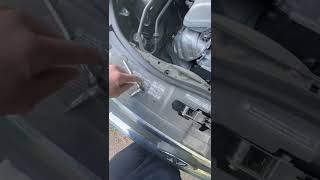
The sensors are typically located at the back of the engine, near the firewall. 🎬 See this video for the exact sensor location on a Touareg On V-type engines (V6, V8, V10), there are usually two or more sensors, one for each cylinder bank. Access can be tight, and you may need to work by feel, but it is often possible without removing the engine.
What's the difference between Bank 1 and Bank 2?
On a V-engine like those in the Touareg, the cylinders are split into two "banks." Bank 1 is the side of the engine that contains cylinder #1. Bank 2 is the opposite side. Diagnostic codes will often specify which bank's sensor is failing.
Can I replace the camshaft position sensor myself?
Yes, this is a DIY-feasible job for someone with moderate mechanical skill. The main challenge is the tight access at the back of the engine. You will need basic hand tools, including a hex or Torx bit socket. Always disconnect the battery before starting and be careful not to drop the old sensor's O-ring into the engine.
🎬 Watch: A step-by-step guide to replacing your camshaft sensorDo I need to replace all camshaft sensors at once?
It is not strictly necessary, but it can be a good preventative measure. The sensors are exposed to the same conditions, so if one has failed due to age, the others may not be far behind. Given the difficult access, replacing them all at once can save you from having to do the same job again in the near future.
What happens if I ignore a bad camshaft position sensor?
Continuing to drive with a failing sensor is not recommended. The engine could stall in traffic, creating a safety hazard. In the long run, poor engine timing can lead to reduced fuel economy, failed emissions tests, and potentially damage other components like the catalytic converter.
Helpful Videos
Technical Specifications
OEM Part Numbers: 070907601A 06A905161A 058905161B 030907601E 07K907601A
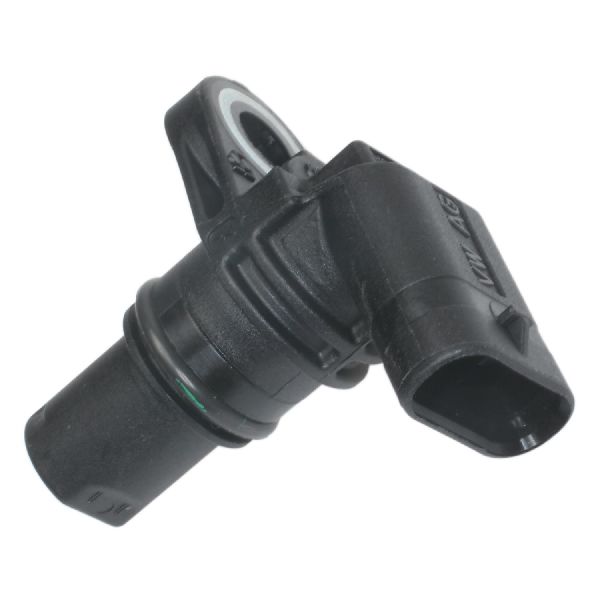
The camshaft position sensor for the Touareg is a Hall effect sensor that reads the rotational position of the camshafts. It typically has a 3-pin rectangular connector. Depending on the engine (3.2L V6, 4.2L V8, 5.0L V10), the vehicle may have two or more sensors, sometimes designated for the intake or exhaust camshaft of a specific cylinder bank.
We Have This Part in Stock


The information in this article is provided for general reference and educational purposes only. Vehicle specifications, procedures, and part compatibility can vary by production date, trim level, and region. Always consult your vehicle's factory service manual and verify part numbers before purchasing or performing repairs. Safety-critical components such as airbags, seat belts, and braking systems should be installed by a qualified professional.
- Volkswagen Touareg:
- 🎬 Helpful Videos
- 🛍️ Shop This Part
- Is Your Touareg's Camshaft Sensor Failing?
- Symptoms of a Bad Camshaft Position Sensor
- A Note on Related Issues
- Choosing the Right Aftermarket Sensor
- Pro Tip: Verify Your Part Number
- Cost of Replacing a Touareg Camshaft Position Sensor
- Frequently Asked Questions
- 🎟️ Get 5% Off