

Cadillac XLR (2004-2009) Engine Coolant Temperature Sensor Guide
Understanding the Engine Coolant Temperature Sensor in your XLR and how to choose the right replacement.
- A failing ECT sensor can cause serious issues, including overheating and poor fuel economy.
- The sensor is located in a difficult-to-reach spot on the Northstar V8, making professional replacement the recommended option.
- Choose a high-quality aftermarket brand like Delphi, NGK, or Standard Motor Products for reliability, as the labor to replace it is significant.
- Symptoms like an erratic temperature gauge or a 'Engine Hot' warning should be addressed immediately to prevent engine damage.
Is Your Cadillac XLR's Coolant Temp Sensor Failing?
A faulty Engine Coolant Temperature (ECT) sensor on the 2004-2009 Cadillac XLR can cause a range of confusing issues. Because this sensor provides key data to the engine computer, a bad signal can lead to poor performance and potential engine stress. Recognizing the symptoms early can save you from more complex problems down the road.
Top 5 Symptoms of a Bad ECT Sensor
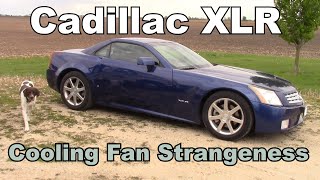
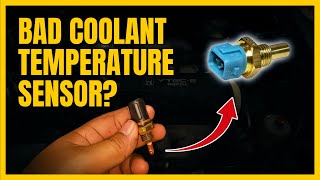
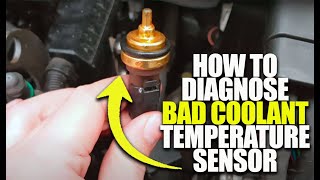
🎬 Watch a detailed breakdown of common coolant temperature sensor symptoms.- Check Engine Light: This is often the first sign. The computer will detect a signal from the sensor that is out of the normal range and trigger a warning light. Common trouble codes include P0115, P0117, P0118, and P0128. 🎬 See how these specific trouble codes affect Cadillac cooling fans.
- Poor Fuel Economy: If the sensor incorrectly tells the computer the engine is cold, the system will enrich the fuel mixture, causing the car to use more gas than necessary.
- Engine Overheating or Running Hot: A failed sensor might not signal the cooling fans to turn on at the correct temperature, leading to the engine overheating. Conversely, a false "hot" signal can cause performance issues.
- Rough Idle and Poor Performance: With incorrect temperature data, the engine's computer can't properly manage the air-fuel mixture and ignition timing, leading to a rough idle, hesitation, or even stalling.
- Black Smoke from Exhaust: In some cases, a very rich fuel mixture caused by a bad sensor can result in unburnt fuel burning in the exhaust, creating black smoke.
A Note on XLR Cooling Systems
The Northstar engine in the XLR is designed to run at relatively high temperatures, with normal readings sometimes reaching 220°F. However, if the temperature gauge acts erratically, drops to zero, or the "Engine Hot, A/C Off" message appears, it's a strong indicator of a sensor or thermostat issue. Sometimes, a stuck thermostat can cause similar symptoms, so a proper diagnosis is key.
Choosing the Right Aftermarket ECT Sensor
For the Cadillac XLR, you don't necessarily need to go back to the dealer for this part. Several reputable aftermarket brands offer quality replacements. The key is choosing a brand known for reliability, as this sensor is critical for engine health.
Brand Tiers for Your Consideration:
- OEM-Equivalent Brands (Top Tier): Delphi is a primary choice for many GM vehicles and is often the original equipment manufacturer. Choosing Delphi is the closest you can get to the factory part. NGK (NTK) and Standard Motor Products (SMP) are also top-tier brands known for producing high-quality sensors that meet or exceed OEM specifications. These brands invest in proper materials and testing to ensure accuracy and longevity.
- Quality Aftermarket Brands (Mid-Tier): Brands like Beck Arnley and Walker Products often provide reliable parts that are a good balance of quality and price. They are a solid choice for a dependable repair without the premium price tag.
- Budget-Friendly Options (Economy Tier): Brands such as Four Seasons, Global Parts, and True Tech offer the most affordable solutions. While functional, they may not have the same level of rigorous testing or use the same premium materials as the top-tier brands. They can be a viable option for budget-conscious repairs, but for a critical sensor like the ECT, investing in a higher-tier brand 🎬 Learn more about the differences between OEM and aftermarket sensors. is often recommended for long-term peace of mind.
Pro Tip: Given the difficult access to this sensor on the XLR's Northstar engine, it's wise to invest in a quality part from a top-tier brand to avoid having to do the job twice. The labor involved can be more significant than the cost of the part itself.
Cost of Replacing the Engine Coolant Temperature Sensor
| Part Type | Estimated Cost |
|---|---|
| New Aftermarket Sensor | $12.58 - $37.74 |
| Shop Labor | $100 - $200 |
| Total Estimated Cost (Aftermarket) | $113 - $238 |
Note: Costs are estimates and can vary based on your location and the specific repair shop. The labor cost reflects the potential difficulty in accessing the sensor.
Frequently Asked Questions (FAQ)
Where is the Engine Coolant Temperature Sensor located on the 2004-2009 Cadillac XLR?
The ECT sensor is located on the rear of the passenger-side cylinder head. Access is very tight, and a technician may need to remove the intake manifold to reach it, which increases the labor time.
Can I replace the ECT sensor myself?
Due to the difficult location on the Northstar V8 engine, this repair is considered moderately difficult. While a skilled DIY mechanic might be able to do it, it can be challenging due to the need to potentially remove the intake manifold. For most owners, professional installation is recommended.
Are there any recalls or TSBs for the XLR's ECT sensor?
Our search found no specific recalls or Technical Service Bulletins (TSBs) from GM or NHTSA for the Engine Coolant Temperature Sensor on the 2004-2009 Cadillac XLR. There are general TSBs related to the cooling system and potential leaks or contamination, but none that target this specific sensor's failure.
What happens if I ignore a bad ECT sensor?
Ignoring a faulty ECT sensor can lead to several problems. Persistently running a rich fuel mixture can damage your catalytic converter over time. More critically, if the sensor fails to trigger the cooling fans, your engine can overheat, which may lead to severe and expensive damage like a warped cylinder head.
Helpful Videos

Technical Specifications
OEM Part Numbers: 12601050
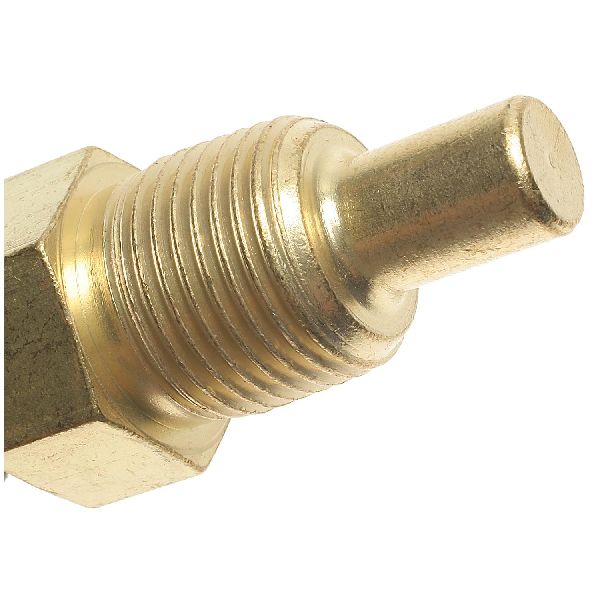
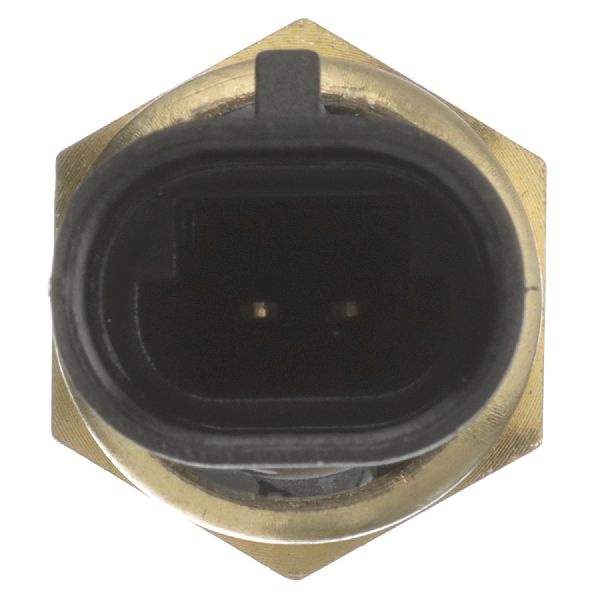
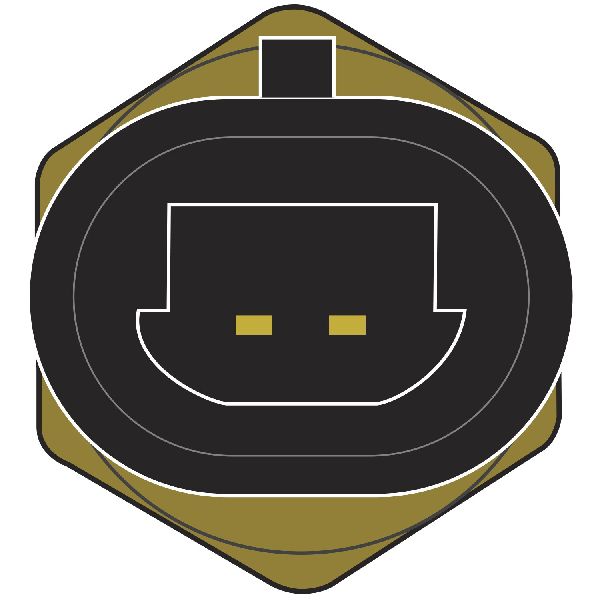
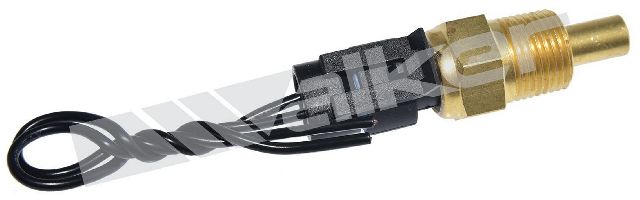
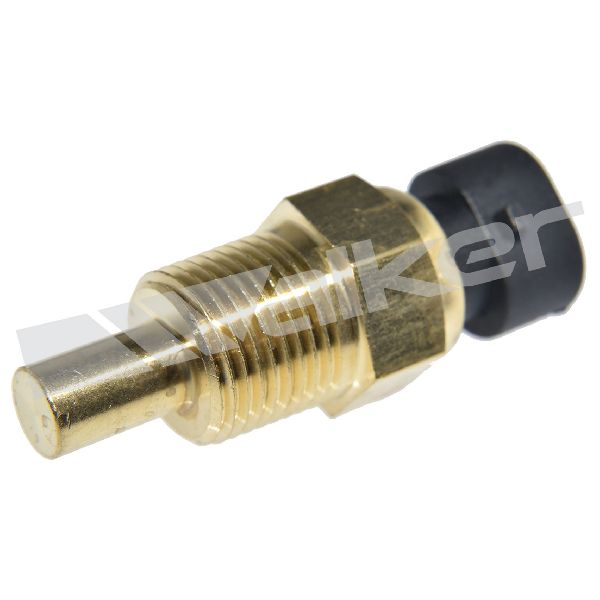
Typically a two-terminal, threaded sensor that installs into a coolant passage on the cylinder head.
We Have This Part in Stock


The information in this article is provided for general reference and educational purposes only. Vehicle specifications, procedures, and part compatibility can vary by production date, trim level, and region. Always consult your vehicle's factory service manual and verify part numbers before purchasing or performing repairs. Safety-critical components such as airbags, seat belts, and braking systems should be installed by a qualified professional.
- Cadillac XLR:
- 🎬 Helpful Videos
- 🛍️ Shop This Part
- Is Your Cadillac XLR's Coolant Temp Sensor Failing?
- Top 5 Symptoms of a Bad ECT Sensor
- A Note on XLR Cooling Systems
- Choosing the Right Aftermarket ECT Sensor
- Brand Tiers for Your Consideration:
- Cost of Replacing the Engine Coolant Temperature Sensor
- Frequently Asked Questions (FAQ)
- 🎟️ Get 5% Off