

Engine Crankshaft Position Sensor: 2004-2009 Chevrolet Express 3500
Fix stalling, no-start, and rough running issues in your Express van by understanding and replacing a faulty crankshaft position sensor.
- A failing sensor causes critical issues like no-starts or stalling, which can be dangerous.
- Replacement requires removing the starter motor for access, making it a moderately difficult job.
- A "CASE relearn" procedure with a professional scan tool is mandatory after replacement to avoid further issues.
- Using high-quality brands like ACDelco or Delphi is strongly recommended to ensure reliability and avoid repeat repairs.
Is Your Express Van Stalling or Not Starting?
A failing crankshaft position sensor is a common reason for a Chevrolet Express 3500 to suddenly develop serious running problems. This sensor is essential for engine operation, and when it starts to go bad, it can leave you stranded. Symptoms often get worse as the engine warms up, and may even disappear after the van cools down, only to return again. This guide will walk you through the symptoms, brand choices, and replacement details for this vital sensor.
Symptoms of a Bad Crankshaft Position Sensor
If your crankshaft sensor is failing, you will likely experience one or more of the following issues:
- Check Engine Light: This is often the first sign. The most common trouble code stored in the computer will be P0335.
- Engine Won't Start: The engine will turn over (crank) but will not fire up. This happens because the computer doesn't get the signal it needs to time the spark and fuel.
- Intermittent Stalling: The engine may shut off unexpectedly while driving or idling. This is a serious safety concern, as it can happen at any speed.
- Rough Running and Misfires: Your van may idle poorly, vibrate, or feel like it's stumbling on acceleration due to incorrect engine timing.
- Poor Acceleration: The van may feel sluggish and unresponsive when you press the gas pedal.
- Reduced Gas Mileage: Inefficient engine timing from a bad sensor signal will cause your van to burn more fuel than normal.
The "CASE Relearn" Procedure
After replacing the crankshaft position sensor on these GM vehicles, a procedure called a Crankshaft Variation Relearn (often called a "CASE relearn") is required. This process uses a professional-grade scan tool to synchronize the new sensor with the engine computer. Skipping this step can lead to a persistent check engine light, rough running, and misfire codes even with the new part installed. Plan to have a repair shop perform this procedure after you install the new sensor.
Choosing the Right Aftermarket Sensor
For a part this critical and labor-intensive to access, part quality matters. While many brands are available, they generally fall into a few tiers.
Tier 1: OEM / Premium Brands (ACDelco, Delphi)
ACDelco is General Motors' own parts brand, representing the original equipment (OE) standard. Delphi was often the actual manufacturer that supplied GM with these sensors from the factory. For reliability and to avoid doing the job twice, choosing one of these two brands is highly recommended by experienced mechanics and vehicle owners. They are engineered to the exact specifications for your van's engine.
Tier 2: Quality Aftermarket (NGK/NTK, Standard Ignition, Hitachi, Spectra)
Brands like NGK (under their NTK sensors line), Standard Motor Products (SMP), and Hitachi have a strong reputation for producing reliable electronic components that meet or exceed OE specifications. Spectra is also a well-regarded choice. These are solid alternatives if an OEM part is not available or is outside your budget.
Tier 3: Economy Brands (Dorman, Holstein, Walker, etc.)
While brands like Dorman and other value-focused options can offer significant savings, their consistency can be a concern for critical electronic sensors. Some users report success, but the risk of premature failure is higher. Given that replacing this sensor requires removing the starter, the potential labor cost of a second replacement can quickly outweigh the initial savings on the part.
| Part Type | Estimated Cost |
|---|---|
| New OEM (ACDelco/Delphi) | $50 - $100 |
| New Aftermarket | $27 - $97 |
| Shop Labor | $130 - $200 |
| Total Professional Replacement | $180 - $300 |
Pro Tip: Check the Connector
The wiring connector for the sensor can also be damaged by heat and oil. Before installing the new sensor, carefully inspect the harness connector for any signs of cracking, brittleness, or corrosion on the pins. A bad connection will cause the same problems as a bad sensor.
Frequently Asked Questions (FAQ)
Where is the crankshaft position sensor located on a 2004-2009 Express 3500?
The sensor is mounted on the engine block, near the rear of the engine on the passenger side. To access it, you must first remove the starter motor.
Can I replace this sensor myself?
Yes, this is a feasible DIY job for someone with moderate mechanical experience. It requires basic hand tools (sockets, wrenches) to remove the starter and the sensor itself. However, remember that a CASE relearn procedure with a scan tool is needed afterward.
Is it safe to drive with a bad crankshaft sensor?
No. A failing sensor can cause the engine to stall at any time, including at high speeds or in traffic, which is extremely dangerous. If the sensor fails completely, the van will not start, leaving you stranded. You should not drive the vehicle until it is repaired.
Will a cheap sensor work?
While a budget-friendly sensor might work initially, they have a higher rate of failure. Because this part requires significant labor to access (removing the starter), most mechanics recommend using a high-quality OEM or premium aftermarket brand like ACDelco or Delphi to ensure a long-lasting repair.
Are there any recalls for this part on my van?
No, there are no active recalls or specific Technical Service Bulletins (TSBs) from GM or the NHTSA for crankshaft position sensor failure on the 2004-2009 Chevrolet Express 3500.
Technical Specifications
OEM Part Numbers: 12560228
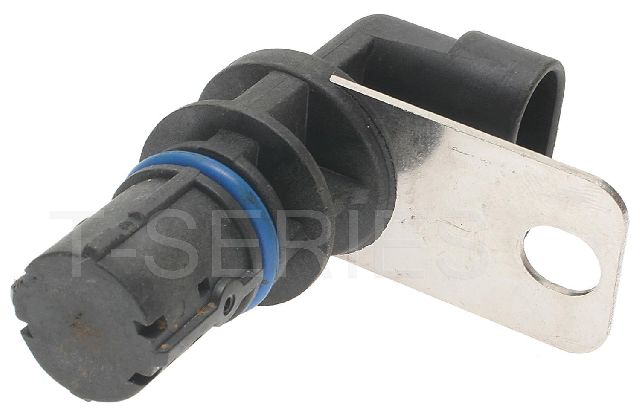
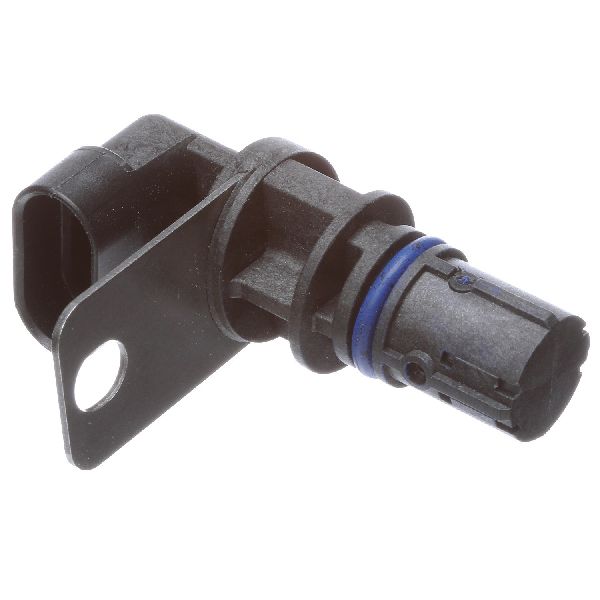
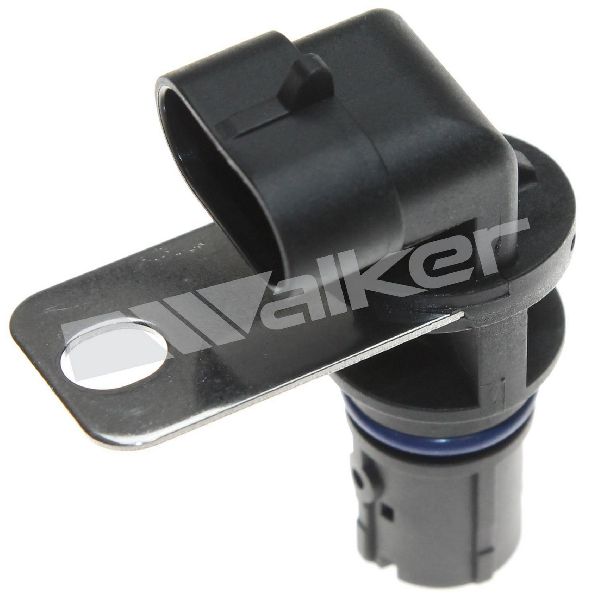
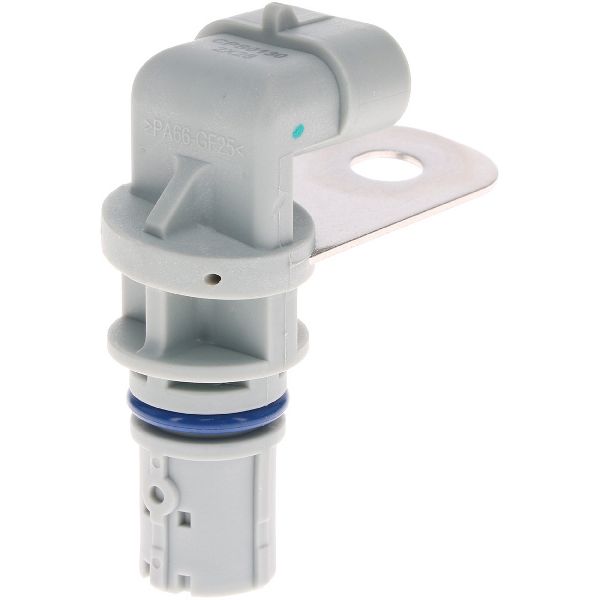
This is a 3-pin magnetic or Hall-effect sensor that mounts to the engine block. It reads the 24x reluctor wheel on the crankshaft of the GM LS-based V8 engines (4.8L, 5.3L, 6.0L) used in this van.
We Have This Part in Stock


The information in this article is provided for general reference and educational purposes only. Vehicle specifications, procedures, and part compatibility can vary by production date, trim level, and region. Always consult your vehicle's factory service manual and verify part numbers before purchasing or performing repairs. Safety-critical components such as airbags, seat belts, and braking systems should be installed by a qualified professional.
- Chevrolet Express 3500: