

Diagnosing and Replacing the Fuel Level Sensor on a 2004-2009 Chevrolet Silverado 1500
If your Silverado's fuel gauge is unreliable, you're not alone—here's what you need to know to fix it right.
- A bad fuel level sensor is a very common failure on 2004-2009 Silverados, causing an erratic gauge and P0463 code.
- For 2004-2006 models, check if other gauges are failing; the instrument cluster itself could be the problem.
- Replacing the entire fuel pump module is often recommended over just the sensor, especially on high-mileage trucks.
- The repair is labor-intensive, requiring either dropping the fuel tank or lifting the truck bed to gain access.
A Common Silverado Problem

An inaccurate or dead fuel gauge is one of the most common issues for owners of 2004-2009 Chevrolet Silverado 1500 trucks. The problem is usually a failed fuel level sensor inside the tank. The contacts on the sensor wear out over time, sending erratic signals or no signal at all. This guide will walk you through the symptoms, how to choose the right part, and what to expect during the repair.
Is It the Sensor or the Instrument Cluster?

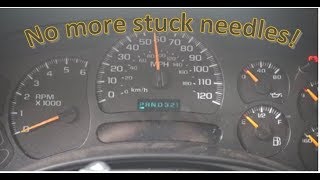
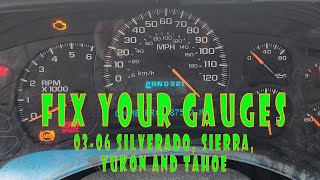
Before you buy parts, it's important to know that on 2003-2006 models, the instrument cluster itself can fail. The small motors that move the gauge needles can break, causing the exact same symptoms as a bad sensor.
Pro Tip: Check Your Other Gauges
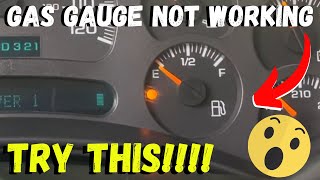
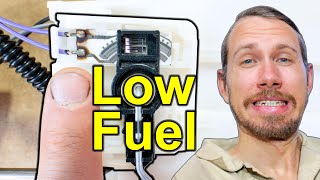
If only your fuel gauge is acting up, the problem is likely the fuel level sensor in the tank. 🎬 Watch: How to test your fuel level sensor If your speedometer, tachometer, or other gauges are also behaving strangely, the issue is more likely a faulty instrument cluster. Diagnosing this correctly can save you from a costly and unnecessary repair.
Choosing the Right Aftermarket Part: Sensor Only vs. Full Assembly

You have two choices for this repair: replace just the fuel level sensor, or replace the entire fuel pump module which includes the sensor.
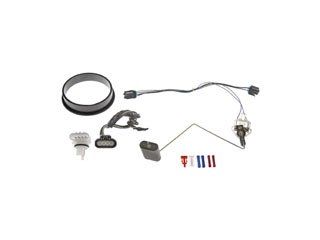
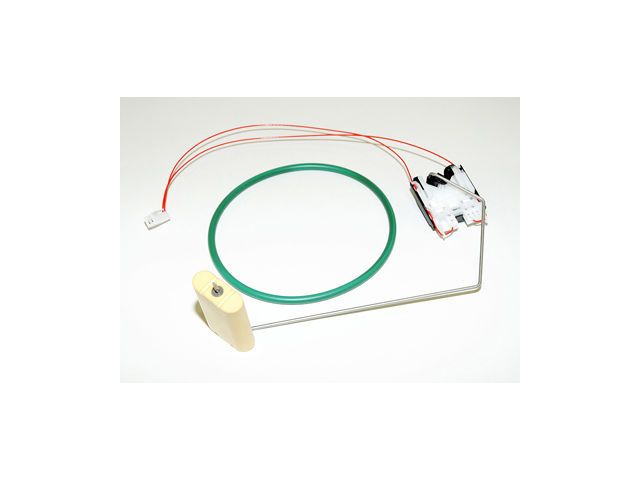
- Sensor-Only Kits: These are the most budget-friendly option. They include the sensor, float, and wiring harness that attach to your existing fuel pump module. This is a good option if your fuel pump is relatively new or if you're on a tight budget.
- Complete Fuel Pump Module: This includes the fuel pump, fuel level sensor, and housing all in one unit. Technicians often recommend this approach for higher-mileage vehicles. The labor to replace the sensor is the same as replacing the whole module, so doing it all at once can prevent you from having to do the job twice if the pump fails later.
Aftermarket Brand Tiers
For this specific part, brand quality can make a difference in how long the repair lasts.
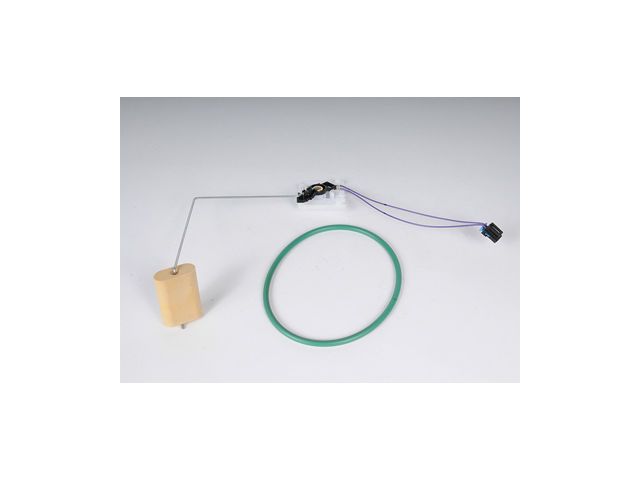
- Premium Aftermarket (ACDelco, Standard Ignition): ACDelco is GM's own parts brand, and their products are made to original specifications, offering excellent reliability. Standard Ignition (SMP) is another top-tier brand known for quality components.
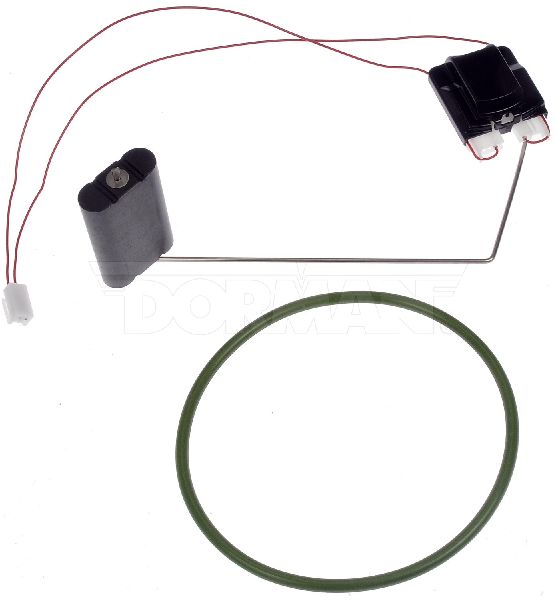
- Quality Aftermarket (Dorman): Dorman is a popular choice that often meets or exceeds OEM quality. They are known for sometimes re-engineering parts to fix original design flaws.
- Budget (Replacement/Store Brands): These are the most affordable options but can be a gamble on quality and longevity. They may be a good choice for a temporary fix, but a higher-quality brand is recommended for a long-term solution.
Known Issues & Technical Bulletins
There are no active safety recalls for this specific failure. However, GM has issued technical documents about it.
- Normal Behavior in Park/Neutral: A GM bulletin notes that it's normal for the fuel gauge to fluctuate or give a lower reading when the truck is in Park or Neutral. The gauge reading is not buffered in these gears, so fuel sloshing can cause temporary inaccuracies. This is not a sign of a failed part.
- Cold Weather Issues: In freezing temperatures, water in non-ethanol fuel can form ice crystals that may interfere with the float arm's movement, causing incorrect readings.
| Part Type | Cost Range |
|---|---|
| New OEM (Module) | $400 - $600+ |
| New Aftermarket (Module/Sensor) | $57 - $221 |
| Shop Labor | $250 - $500 |
A Note on Installation
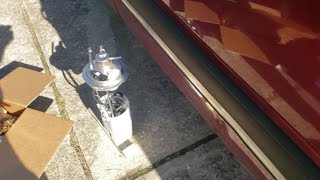
Replacing the fuel level sensor requires either dropping the heavy fuel tank or lifting the truck bed to access the top of the tank. 🎬 Watch this fast fuel pump replacement walkthrough Both are labor-intensive jobs. While DIY is possible for those with the right tools and experience, many owners choose to have a professional handle this repair.
Frequently Asked Questions

Can I drive with a bad fuel level sensor?
Yes, but it's risky. The truck will run fine, but you won't know how much fuel you have. You must track your mileage and refuel regularly to avoid running out of gas, which can be dangerous and potentially damage your fuel pump.
Why do people recommend replacing the whole fuel pump module?
Because the labor is the most expensive part of the job. The fuel pump is a wear item that will eventually fail. Replacing the entire module while the tank is already out saves you from paying for the same difficult labor again in the future when the pump wears out.
Is there a recall for the fuel gauge on the 2004-2009 Silverado?
No, there are no safety recalls for the fuel level sensor or the instrument cluster gauges on these trucks, despite it being a very common problem.
How can I be sure it's the sensor and not the gauge cluster?
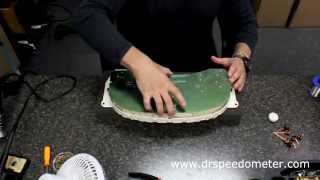
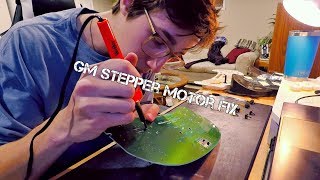
The best way is to observe your other gauges. If the speedometer, oil pressure, or temperature gauges are also acting erratically or are stuck, the problem is almost certainly the instrument cluster's internal stepper motors. 🎬 See how to replace faulty gauge stepper motors If only the fuel gauge is faulty, the fuel level sensor is the most likely culprit.
Helpful Videos

Technical Specifications
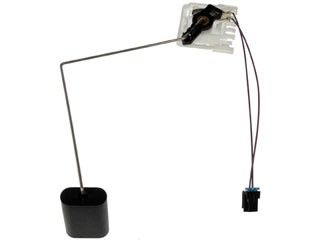
OEM Part Numbers: 19121637
The sensor is a variable resistor. Resistance is approximately 40 ohms when the tank is full and 250 ohms when empty.
We Have This Part in Stock


The information in this article is provided for general reference and educational purposes only. Vehicle specifications, procedures, and part compatibility can vary by production date, trim level, and region. Always consult your vehicle's factory service manual and verify part numbers before purchasing or performing repairs. Safety-critical components such as airbags, seat belts, and braking systems should be installed by a qualified professional.
- Chevrolet Silverado 1500:
- 🎬 Helpful Videos
- 🛍️ Shop This Part
- A Common Silverado Problem
- Is It the Sensor or the Instrument Cluster?
- Pro Tip: Check Your Other Gauges
- Choosing the Right Aftermarket Part: Sensor Only vs. Full Assembly
- Aftermarket Brand Tiers
- Known Issues & Technical Bulletins
- A Note on Installation
- Frequently Asked Questions
- 🎟️ Get 5% Off