

Chevrolet Tracker Serpentine & Accessory Drive Belt Guide (2004-2009)
Everything you need to know before replacing the serpentine or accessory belts on your Tracker.
- You MUST verify if your Tracker has the 2.0L 4-cylinder or 2.5L V6 engine before buying, as they use different belts.
- High-quality aftermarket brands like Gates and Continental offer excellent performance and value; there is no need to hunt down an expensive OEM part.
- Always inspect the tensioner and idler pulleys when changing the belt. A bad pulley can destroy a new belt quickly.
- A squealing noise is the earliest warning sign; do not ignore it, as a broken belt will disable your vehicle.
Is Your Chevrolet Tracker's Serpentine Belt Failing?
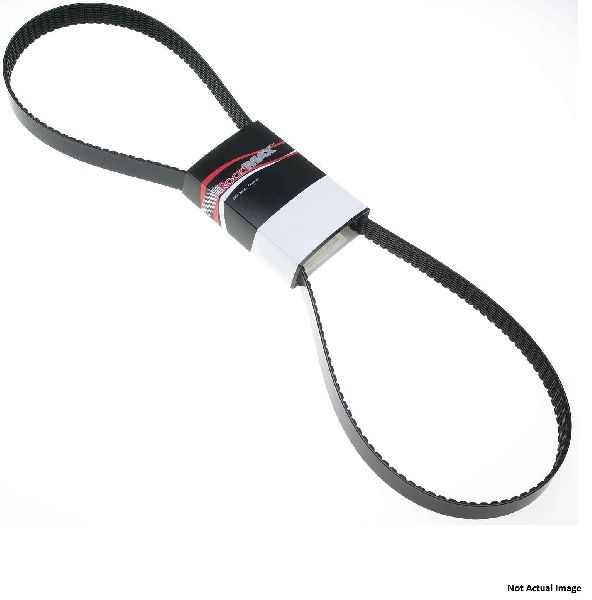
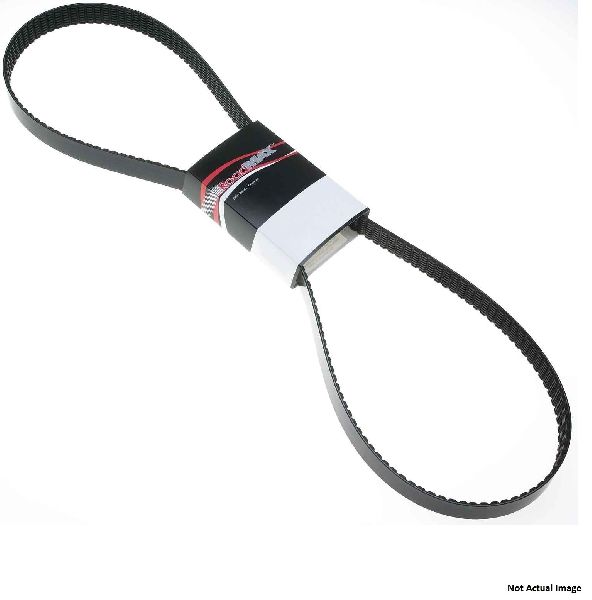
A serpentine belt is a wear-and-tear item. It is made of durable rubber, but it won't last forever. Over time, heat and friction cause the rubber to crack, fray, and stretch. A loud squealing noise from the engine bay, especially when you first start the car or turn the steering wheel, is the most common sign of a worn belt. 🎬 Watch: How to diagnose engine squeaks and belt noises. You might also hear chirping or ticking sounds. A visual inspection can reveal cracks, glazing (a shiny, smooth surface), or missing chunks of the belt's ribs. If the belt fails completely, you will lose power to multiple systems at once and a battery warning light will likely appear on your dashboard.
Important: Check Your Engine
The 2004 Chevrolet Tracker was available with two main engines: a 2.0L 4-cylinder and a 2.5L V6. These engines use different belt systems. The 2.5L V6, for example, uses multiple accessory belts instead of a single serpentine belt. Before ordering, you must confirm your engine size to ensure you purchase the correct part. Ordering the wrong belt is the most common mistake.
Choosing the Right Aftermarket Belt
For a vehicle like the 2004-2009 Tracker, aftermarket belts from reputable brands offer quality that is equal to or even better than the original factory part. There is no significant advantage to buying a more expensive OEM belt. The key is to choose a trusted brand. All three major brands available—Gates, Continental, and Dayco—are well-regarded in the industry and produce quality parts made from durable EPDM rubber.
- Top Tier (Gates, Continental): Both Gates and Continental are major OEM suppliers for many car manufacturers, including GM. They are widely considered the top choices by professional mechanics for their precise fit and long-term durability. You cannot go wrong with either of these brands.
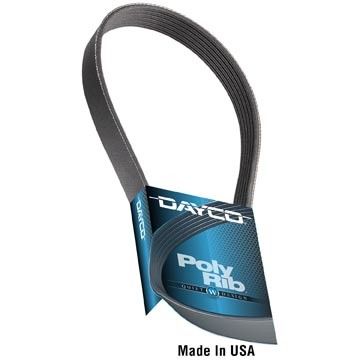
- Standard Tier (Dayco): Dayco is another long-standing brand that produces reliable belts. They are often a more budget-friendly option and provide perfectly adequate performance and lifespan for daily driving. While some mechanics have personal preferences for other brands, Dayco belts meet or exceed original equipment standards.
Pro Tip: Inspect Your Pulleys
When you replace your serpentine belt, it is the perfect time to check the belt tensioner and any idler pulleys. Spin each pulley by hand (with the engine off). If you hear grinding noises or feel roughness or wobbling, the pulley's bearing is failing and it should be replaced along with the belt to prevent damage to the new belt.
🎬 See this guide on inspecting your belts and pulleys.Cost of Replacing a Chevrolet Tracker Serpentine Belt
| Part Type | Estimated Cost |
|---|---|
| New Aftermarket Belt | $11.91 - $40.65 |
| Shop Labor | $75 - $150 |
| Total Estimated Cost (DIY) | $11.91 - $40.65 |
| Total Estimated Cost (Installed) | $87 - $191 |
Cost estimates are for the part and labor only and do not include taxes, fees, or related repairs.
Frequently Asked Questions
How often should I replace my Tracker's serpentine belt?
There is no exact replacement interval, but a general guideline is to inspect the belt during every oil change and plan for replacement every 60,000 to 90,000 miles. However, it should be replaced immediately if you notice any signs of wear like cracking, fraying, or squealing.
Is this a difficult job to do myself?
For a person with basic tools and mechanical knowledge, this is a relatively easy job. The main step is using a long breaker bar or a belt tensioner tool to release the tension, which allows the old belt to be removed and the new one to be routed. The V6 model is slightly more complex due to having multiple belts.
🎬 Watch: Step-by-step belt replacement for the 2.5L V6 engine.Were there any recalls for the Tracker's serpentine belt?
No. Searches of the National Highway Traffic Safety Administration (NHTSA) database show no recalls or technical service bulletins (TSBs) specifically related to the serpentine belt system for the 2004-2009 Chevrolet Tracker.
What tools do I need to replace the serpentine belt?
You will typically need a basic socket set and a long-handled breaker bar (usually with a 15mm socket for the tensioner) or a dedicated serpentine belt tool to release the belt tension. A diagram of your engine's belt routing is also essential; this is often found on a sticker in the engine bay or can be easily looked up online.
Helpful Videos

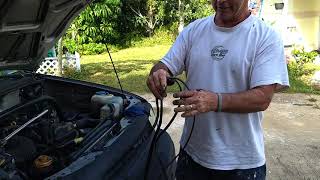
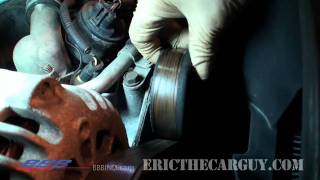

Technical Specifications
OEM Part Numbers: 30026857
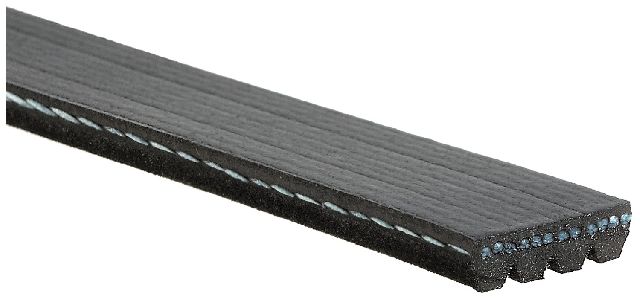
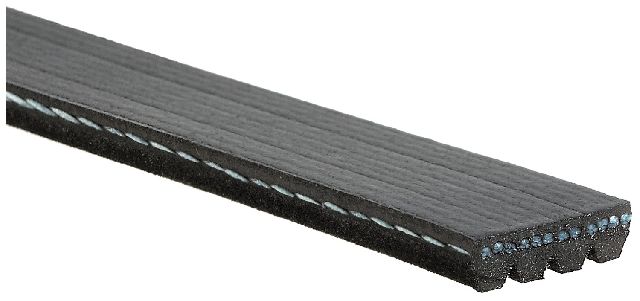
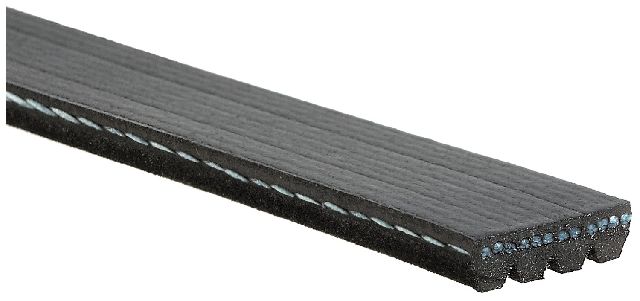
The 2004 Chevrolet Tracker uses a multi-groove serpentine belt or a set of V-ribbed accessory belts. The exact length and number of ribs (typically 4 to 6) depend on the engine (2.0L I4 or 2.5L V6) and whether the vehicle has air conditioning. Belts are made from EPDM rubber.
We Have This Part in Stock

The information in this article is provided for general reference and educational purposes only. Vehicle specifications, procedures, and part compatibility can vary by production date, trim level, and region. Always consult your vehicle's factory service manual and verify part numbers before purchasing or performing repairs. Safety-critical components such as airbags, seat belts, and braking systems should be installed by a qualified professional.
- Chevrolet Tracker: