

A Practical Guide to Replacing Your 2004-2009 Chrysler Pacifica Brake Pads
Stop the squeal and improve your braking performance by choosing the right pads for your crossover.
- Confirm if your Pacifica is FWD or AWD before ordering, as brake parts can differ.
- For most owners, a quality ceramic brake pad offers the best combination of quiet operation, low dust, and reliable stopping power.
- Always inspect your brake rotors when changing pads and plan to replace them if they are warped, grooved, or near their minimum thickness.
- Replacing the brake pads on a 2004-2009 Pacifica is a manageable DIY job for those with the right tools and basic mechanical experience.
Symptoms of Worn Brake Pads
Your Pacifica will give you clear signs when the brake pads are nearing the end of their life. Ignoring these can lead to more expensive repairs, like needing to replace the brake rotors. Be aware of the following symptoms:
- Squealing or Screeching: Most brake pads have a built-in metal wear indicator. When the pads are thin, this indicator scrapes against the rotor, making a high-pitched noise when you brake. This is an early warning to get your brakes checked.
- Grinding Noise: If you hear a deep, metallic grinding sound, it means the brake pads are completely worn away. You are now hearing metal-on-metal contact between the caliper and the rotor, which can cause severe damage and unsafe braking conditions.
- Pulsating Brake Pedal: While often a sign of a warped brake rotor, a pulsating or vibrating feeling in the brake pedal can also be caused by unevenly worn pads. Some owners report shaking during braking, which points to rotor issues that should be addressed when pads are replaced.
- Longer Stopping Distance: If you notice it takes longer to stop your Pacifica than it used to, your brake pads may be too worn to create the necessary friction for effective braking.
- Spongy or Soft Brake Pedal: A pedal that feels soft or goes closer to the floor than usual can indicate worn pads or, more seriously, air in the brake lines or a fluid leak.
Check Rotors and Calipers
The Chrysler Pacifica is a heavy vehicle, which puts significant stress on the entire brake system. When replacing pads, it is crucial to inspect the brake rotors for signs of warping (which causes pulsation) or deep grooves. Many technicians recommend replacing the rotors at the same time as the pads to ensure proper performance and break-in. Also, check that the caliper slide pins move freely. Sticking calipers are a common cause of premature and uneven pad wear.
Choosing the Right Aftermarket Brake Pads
Original Equipment (OEM) pads for the Pacifica are a safe bet, but they can be expensive and may not offer the best performance or lifespan. High-quality aftermarket pads can provide equal or better performance for less money. Here’s a breakdown of available brands to help you choose.
Economy & Daily Driver Pads
These pads are ideal for typical commuting and daily use. They offer a good balance of affordability, low noise, and reliable stopping power. Many are ceramic, which is a great choice for reducing brake dust on your wheels.
- Wagner Brakes / Pronto / Total Stopping Solutions: These brands offer affordable, reliable options that meet or exceed factory specifications for the average driver.
- Bosch QuietCast: Frequently recommended by owners for being quiet, long-lasting, and producing minimal dust. A solid OEM-equivalent choice.
- Raybestos Element3: Another highly-regarded option, especially in areas where rust is a concern (the "rust belt"). Owners report they hold up well over time.
- ACDelco / Centric: Both offer quality ceramic and semi-metallic pads that provide dependable, everyday performance.
Performance & Heavy-Duty Pads
If you frequently carry heavy loads, live in a hilly area, or simply want improved stopping power, consider a performance-oriented pad. These often have higher friction levels but may produce more dust or noise than ceramic daily-driver pads.
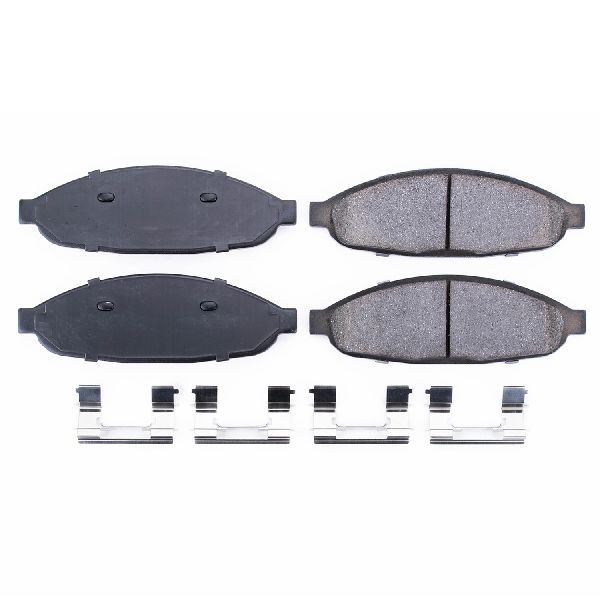
- Powerstop: A popular choice for those looking for an upgrade. Their Z16 and Z17 ceramic pads offer low dust and quiet operation, while the Z23 series provides a step up in performance. However, owner reviews are mixed, with some finding them noisy.
- Hawk Performance / EBC Brakes: These brands specialize in high-performance friction materials. They are an excellent choice for drivers who demand the most from their brakes, but they are also among the most expensive options and may be overkill for typical daily driving.
- Brembo: Known for high-performance racing brakes, Brembo also makes premium ceramic replacement pads that are a direct fit for the Pacifica, offering excellent quality and performance.
Common Ordering Mistake: FWD vs. AWD
The 2004-2009 Chrysler Pacifica was available in both Front-Wheel Drive (FWD) and All-Wheel Drive (AWD) configurations. These models can have different brake components. Always verify your vehicle's drivetrain before ordering to ensure you receive the correct parts. Using your vehicle's VIN to shop is the most reliable method.
Cost of Replacing Chrysler Pacifica Brake Pads
| Part Type | Price Range (Per Axle) |
|---|---|
| New Aftermarket Brake Pad Set | $20.15 - $179.99 |
| New OEM (Mopar) Brake Pad Set | $90 - $200+ |
| Shop Labor | $100 - $250 |
Frequently Asked Questions
What's the difference between ceramic and semi-metallic pads?
Ceramic pads are known for being very quiet and producing little dust, making them great for daily driving. Semi-metallic pads can handle higher temperatures and often provide more initial "bite," but they tend to be noisier, produce more dust, and can be harder on brake rotors. For most Pacifica owners, a quality ceramic pad is the best all-around choice.
Do I have to replace my rotors with my pads?
While not always required, it is highly recommended, especially on a heavy vehicle like the Pacifica. New pads perform best on a fresh, flat rotor surface. If your current rotors are thin, warped (causing pulsation), or have deep grooves, they must be replaced. Installing new pads on bad rotors will lead to poor performance and premature pad wear.
How often do brake pads need to be replaced on a Pacifica?
There is no set interval. Lifespan depends heavily on the pad material, your driving style (city vs. highway), and the condition of your other brake components. Some owners report getting over 80,000 miles on a set, while others who drive in heavy traffic or hilly areas may need replacements every 30,000-40,000 miles. Regular inspection is key.
Why are my new brakes making noise?
A little noise during the first few hundred miles can be normal as the new pads "bed-in" to the rotors. However, persistent squealing can be caused by improper installation, failure to use new hardware clips, or not applying brake grease to the correct contact points. Grinding noises indicate a serious installation error or a defective part.
Technical Specifications
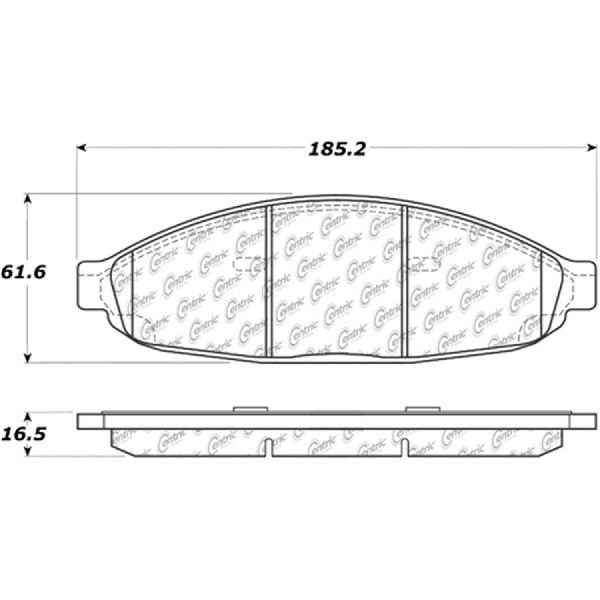
OEM Part Numbers: 5103110AA (Front) 05134358AA (Front) 68318171AB (Rear, superseded)
Brake pad replacement is a standard procedure for this vehicle. No special electronic tools are required for the 2004-2009 models, unlike newer Pacificas with electronic parking brakes. Essential tools include a 13mm or 14mm socket for caliper bolts, a 21mm socket for the caliper bracket, a large C-clamp to compress the caliper piston, and a torque wrench.
We Have This Part in Stock

The information in this article is provided for general reference and educational purposes only. Vehicle specifications, procedures, and part compatibility can vary by production date, trim level, and region. Always consult your vehicle's factory service manual and verify part numbers before purchasing or performing repairs. Safety-critical components such as airbags, seat belts, and braking systems should be installed by a qualified professional.
- Chrysler Pacifica: