

Chrysler Pacifica Engine Camshaft Position Sensor Guide (2004-2009)
Diagnose and fix stalling, no-start, and rough idling issues in your 2004-2009 Pacifica by understanding its camshaft position sensor.
- A failing camshaft sensor on a 2004-2009 Pacifica will cause stalling, no-starts, and a rough idle, usually with a P0340 code.
- The sensor location and replacement difficulty vary significantly between the 3.5L, 3.8L, and 4.0L engines.
- Always confirm the correct part number with your VIN before purchasing, as Chrysler used different sensors.
- Consider using a premium aftermarket or OEM Mopar sensor, as these vehicles can be sensitive to the quality of electronic parts.
Symptoms of a Failing Camshaft Position Sensor in a 2004-2009 Pacifica

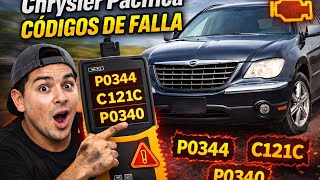
A bad camshaft position sensor will not typically leave you stranded without warning. You will usually notice engine problems first. The most common sign is the Check Engine Light, often with code P0340.
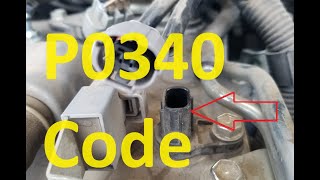
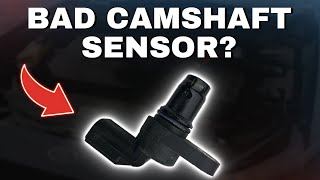
🎬 Watch: Understanding P0340 codes and how to fix them.- Engine Stalling: The engine may stall unexpectedly, especially at low speeds or when coming to a stop. It may or may not restart immediately.
- Difficulty Starting: The engine may crank for a long time before it starts, or it may not start at all. This can be worse when the engine is warm.
- Rough Idle and Misfires: You may feel a noticeable vibration or shuddering when the vehicle is stopped and in gear. The engine may sound like it's stumbling.
- Poor Acceleration: The vehicle may feel sluggish and lack power when you press the gas pedal.
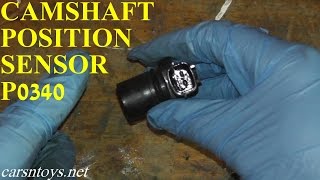
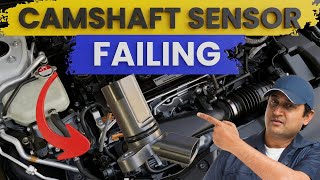
- Transmission Shifting Issues: In some cases, a faulty camshaft sensor signal can cause the transmission to get locked in a single gear (limp mode). 🎬 See 11 common symptoms of a failing camshaft sensor. Restarting the car may temporarily fix this.
Is Your Crankshaft Sensor Also Bad?
The camshaft position sensor works with the crankshaft position sensor. The symptoms of a bad crankshaft sensor are very similar. It's common for both to be replaced at the same time, especially on higher-mileage vehicles. A problem with the timing belt on the 3.5L engine can also trigger codes for both sensors.
Choosing the Right Aftermarket Sensor

For many repairs, aftermarket parts offer a great value. However, for critical electronic sensors on Chrysler vehicles of this era, which are known for electrical sensitivities, the choice is more important.
- Premium Aftermarket (e.g., Delphi, NGK/NTK, Standard Ignition): These brands are often Original Equipment (OE) suppliers to many automakers and have a strong reputation for quality and reliability. They design their sensors to meet or exceed factory specifications and are an excellent choice for this repair.
- Value-Priced Aftermarket (e.g., Dorman, Spectra, Walker): These brands provide a cost-effective solution. While many have good quality, there is a slightly higher chance of an out-of-box failure or shorter lifespan compared to premium or OEM parts. Given the labor involved for some engines, saving a few dollars on the part might not be worth the risk of doing the job twice.
- OEM Mopar: This is the original factory part. It's the most expensive option but guarantees perfect fit and function. If you've had bad experiences with aftermarket sensors before or want the most peace of mind, Mopar is the safest bet.
A Note on Part Numbers
Chrysler used different sensors across the 3.5L, 3.8L, and 4.0L engines, and even had mid-year changes. Always verify the part number using your vehicle's VIN to ensure you are buying the correct sensor for your specific engine and build date.
Engine-Specific Information & Installation Tips

The 2004-2009 Pacifica uses a single camshaft position sensor, but its location and the difficulty of replacement vary by engine.
| Engine | Sensor Location | Difficulty | Notes |
|---|---|---|---|
| 3.5L V6 | Driver's side of the engine, below the alternator. | Moderate | Access is tight. Requires removing the battery and battery tray to reach the sensor, which is held by a 10mm bolt. |
| 3.8L V6 | Front of the engine, mounted in the timing chain cover. | Moderate | Access is from the top/front of the engine. The sensor is held by a 10mm bolt. A new sensor may come with a paper spacer that gets sheared off on first startup. |
| 4.0L V6 | Top of the driver's side cylinder head, near the air intake. | Easy | Easiest of the three. Requires removing the engine cover and air intake tube for clear access. Held by a 10mm bolt. |
Frequently Asked Questions (FAQ)
Can I drive my Pacifica with a bad camshaft sensor?
It is not recommended. The engine can stall at any time, which is a serious safety risk, especially in traffic. Continuing to drive can also lead to poor fuel economy and potentially damage other components like the catalytic converter over time.
My check engine light code is P0340. Is it definitely the sensor?
P0340 means there is a problem in the camshaft position sensor "A" circuit. While a failed sensor is the most common cause, the problem could also be a damaged wiring harness, a corroded connector, a bad ground, or even a problem with the PCM. Always inspect the wiring and connector for damage or oil contamination before replacing the sensor.
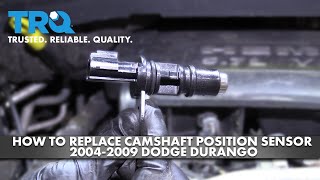
🎬 Watch this guide on testing and replacing the sensor.I replaced the sensor and the problem is still there. What now?
First, double-check that you installed the correct part number for your VIN. If the part is correct, the issue may be with the wiring connector or a related component. Check the crankshaft position sensor, as its failure causes similar symptoms. On 3.5L engines, a stretched or failed timing belt can also cause cam/crank correlation codes. In rare cases, a low-quality aftermarket sensor could be faulty out of the box.
Are there any recalls for the camshaft position sensor on the 2004-2009 Pacifica?
No, there are no specific recalls for the camshaft position sensor on the 2004-2009 Chrysler Pacifica. Searches of the NHTSA database show recalls for newer Pacifica models, but not for this generation and part.
Helpful Videos
Technical Specifications
OEM Part Numbers: 4686353AB 4686353 4606829AA 5029808AD 5029808AC
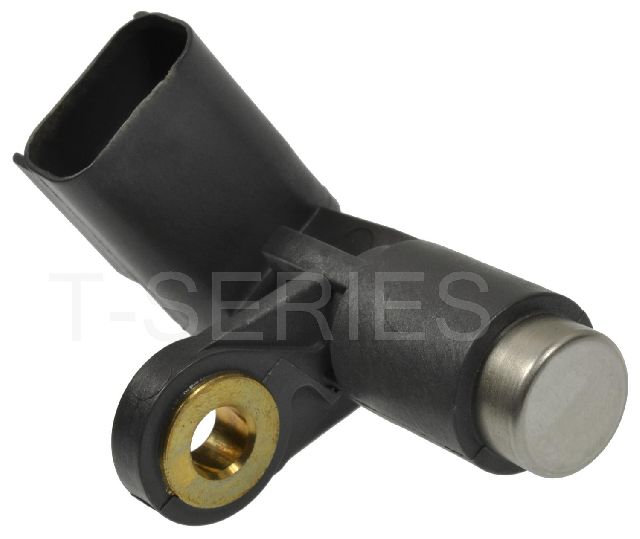
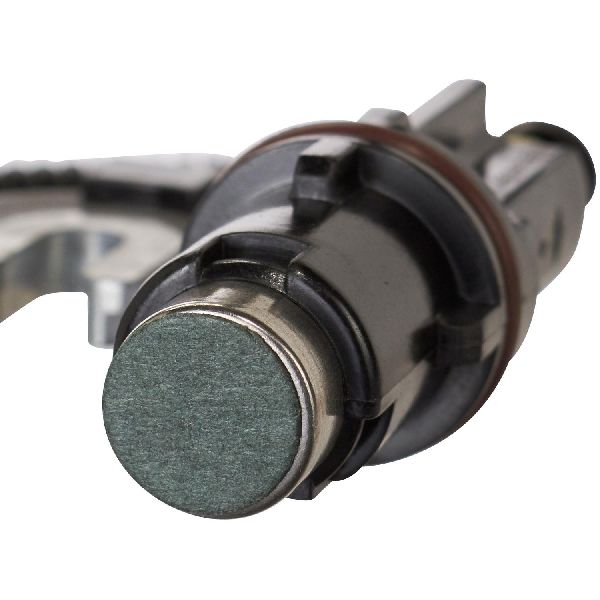
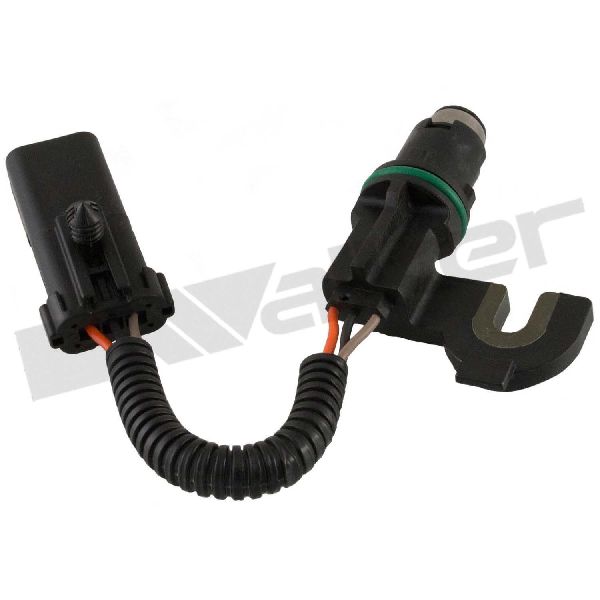
This is a 3-pin Hall-effect sensor that reads the rotational position of the engine's camshaft. It provides a square wave signal to the Powertrain Control Module (PCM) to synchronize fuel injection and ignition timing. The specific sensor and its connector shape vary by engine (3.5L, 3.8L, 4.0L).
We Have This Part in Stock


The information in this article is provided for general reference and educational purposes only. Vehicle specifications, procedures, and part compatibility can vary by production date, trim level, and region. Always consult your vehicle's factory service manual and verify part numbers before purchasing or performing repairs. Safety-critical components such as airbags, seat belts, and braking systems should be installed by a qualified professional.
- Chrysler Pacifica: