

Chrysler Pacifica Engine Coolant Temperature Sensor Guide (2004-2009)
Solving overheating, poor fuel economy, and check engine lights on your first-generation Pacifica.
- A bad ECT sensor on a Pacifica commonly causes a check engine light (P0117, P0118, P0128), poor gas mileage, and overheating.
- Replacement is a simple, low-cost DIY job that most owners can do in under 30 minutes with basic tools.
- For this repair, a quality aftermarket brand like Delphi or Standard Ignition offers a reliable, cost-effective alternative to the more expensive OEM Mopar part.
- No specific recalls for the ECT sensor exist for the 2004-2009 Pacifica; issues found relate to newer hybrid models.
Is Your Pacifica Acting Up? It Could Be a Bad Coolant Sensor
If your 2004-2009 Chrysler Pacifica is experiencing issues like a check engine light, poor gas mileage, or strange cooling fan behavior, a faulty Engine Coolant Temperature (ECT) sensor is a common and inexpensive part to consider. This sensor plays a vital role in engine management, and when it fails, it can cause a variety of noticeable problems.
Top 5 Failure Symptoms
- Check Engine Light: This is the most common sign. The computer will log fault codes like P0117, P0118, or P0128 🎬 Watch: EricTheCarGuy explains what these P0118 codes mean for your engine. when it gets an incorrect signal from the sensor.
- Poor Fuel Economy: A bad sensor can trick the computer into thinking the engine is always cold. This causes the computer to inject more fuel than necessary, hurting your gas mileage.
- Engine Overheating: If the sensor fails to report that the engine is getting hot, it won't trigger the cooling fans to turn on. This can lead to the temperature gauge climbing and potential engine damage.
- Black Smoke or Rough Idle: Too much fuel from an incorrect sensor reading can cause a rough idle, hesitation when accelerating, and even black smoke from the exhaust pipe.
- Cooling Fans Run Constantly: The sensor can also fail in a way that makes the computer think the engine is always overheating, causing the radiator fans to run all the time, even when the engine is cold.
Known Issues for This Vehicle
While no specific recalls or Technical Service Bulletins (TSBs) exist for the ECT sensor on the 2004-2009 Pacifica, this generation is known for other issues, including engine cradle rust and various electrical problems. A faulty ECT sensor can sometimes be misdiagnosed, so it's important to rule out other potential causes if a new sensor doesn't fix the issue.
Choosing the Right Aftermarket Sensor
You don't have to buy the most expensive part to get a reliable fix. For a vehicle of this age, a quality aftermarket sensor is often the smartest choice. Here’s how the available brands generally stack up:
- OEM (Mopar): This is the original part your vehicle was built with. It's a guaranteed fit and quality, but it is also the most expensive option.
- OEM-Equivalent Aftermarket (Delphi, NGK, Standard Ignition): Brands like Delphi often manufacture original parts for car companies. Standard Ignition (Standard Motor Products) is a long-trusted aftermarket brand. These parts offer a balance of high quality and fair pricing, making them an excellent choice for most repairs.
- Value-Priced Aftermarket (Dorman, Walker, etc.): These brands provide a cost-effective solution and are widely available. For a simple component like an ECT sensor, they are often a perfectly acceptable choice for a budget-conscious repair, especially on a higher-mileage vehicle.
Pro Tip: Before replacing the sensor, check the electrical connector and wiring. A corroded or loose connector can mimic the symptoms of a failed sensor and is an even cheaper fix.
🎬 Watch: A pro guide on how to test and replace sensors.Cost to Replace a Pacifica Coolant Temperature Sensor
The cost can vary significantly depending on whether you do the job yourself or take it to a repair shop.
| Item | Cost Range |
|---|---|
| New Aftermarket Sensor | $15 - $75 |
| New OEM (Mopar) Sensor | $40 - $60 |
| Shop Labor | $85 - $150 |
| DIY Total | $15 - $75 |
| Shop Total | $100 - $225 |
Frequently Asked Questions
Where is the engine coolant temperature sensor located on a 2004-2009 Pacifica?
The ECT sensor is typically screwed into the engine's cylinder head or thermostat housing. On many Chrysler V6 engines of this era, it is located near the rear of the engine, close to the firewall, but location can vary slightly by engine 🎬 See this walkthrough for replacing the sensor on Chrysler V6 engines. (3.5L, 3.8L, 4.0L). It will have a small two-wire electrical connector attached to it.
Can I replace this sensor myself?
Yes, this is a very DIY-friendly job for most home mechanics. The process involves letting the engine cool completely, unplugging the electrical connector, and using a deep socket wrench to unscrew the old sensor. Have the new sensor ready to screw in quickly to minimize coolant loss. The entire job usually takes less than 30 minutes.
How many coolant temperature sensors does a Pacifica have?
Your Pacifica has one primary Engine Coolant Temperature (ECT) sensor that reports to the engine computer for fuel and timing control. Some vehicles have a second, separate sensor or sender just for the temperature gauge on the dashboard, but the one that triggers engine performance issues and check engine lights is the main ECT sensor.
Will a bad ECT sensor always cause the car to overheat?
Not always. A bad sensor can fail in several ways. It might fail to signal overheating, causing the fans not to run. Or, it might send a false "cold" signal, which won't cause overheating but will lead to very poor fuel economy and performance.
Helpful Videos


Technical Specifications
OEM Part Numbers: 5269870AB 5033313AA 5149096AB
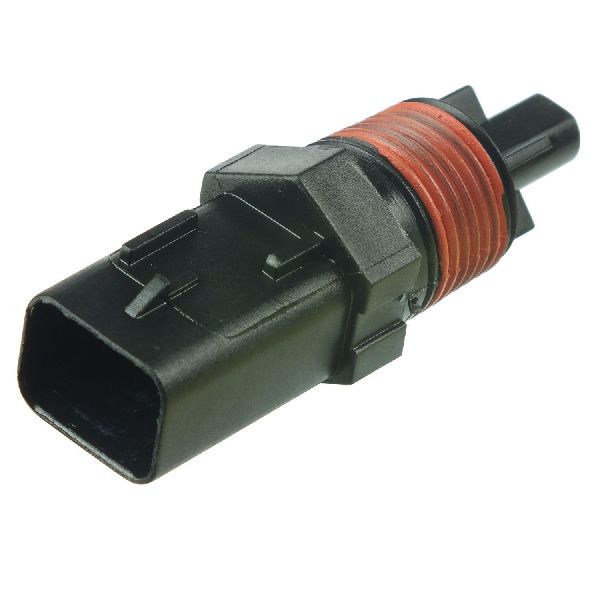
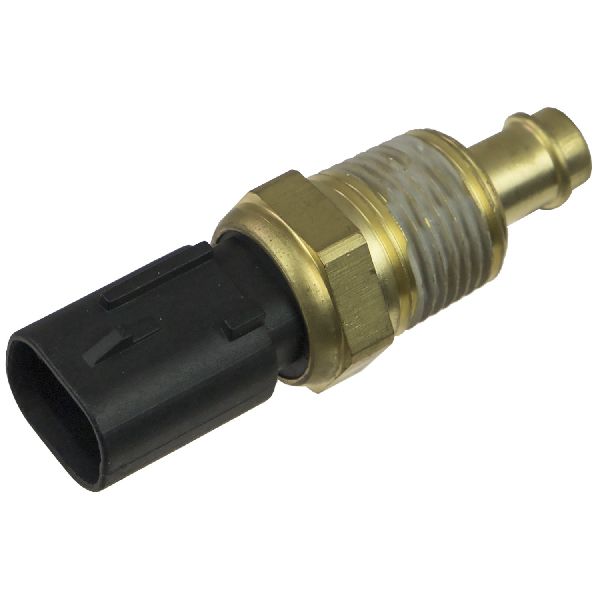
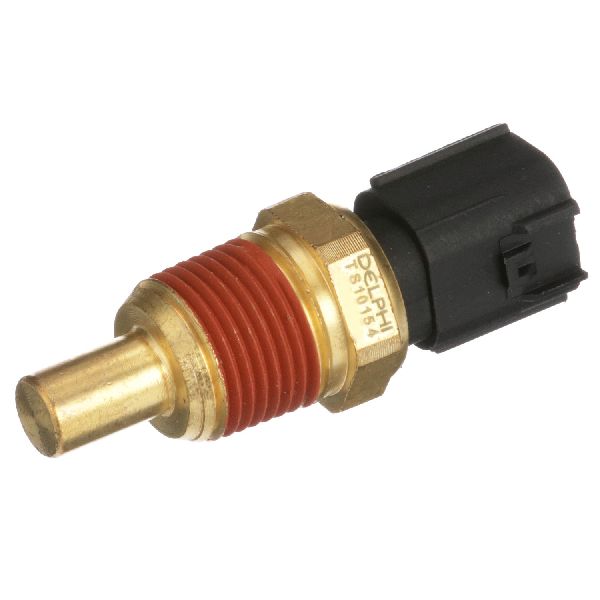
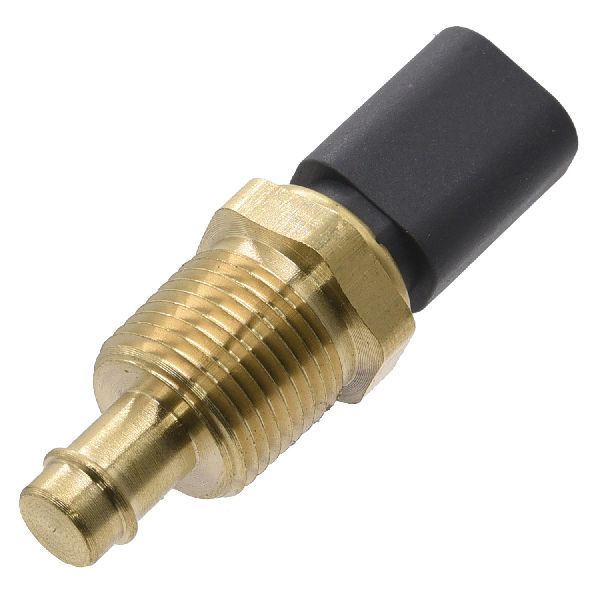
Typically a 2-pin, brass and plastic sensor that functions as a thermistor, changing resistance based on temperature.
We Have This Part in Stock


The information in this article is provided for general reference and educational purposes only. Vehicle specifications, procedures, and part compatibility can vary by production date, trim level, and region. Always consult your vehicle's factory service manual and verify part numbers before purchasing or performing repairs. Safety-critical components such as airbags, seat belts, and braking systems should be installed by a qualified professional.
- Chrysler Pacifica: