

Chrysler Pacifica Knock Sensor Guide for 2004-2009 Models
Dealing with a knock sensor code on your Pacifica? Here is what you need to know before buying a replacement.
- The knock sensors are located under the intake manifold, making replacement a difficult and expensive job due to high labor costs.
- Always replace both knock sensors and the wiring harness at the same time to avoid paying for the same labor twice.
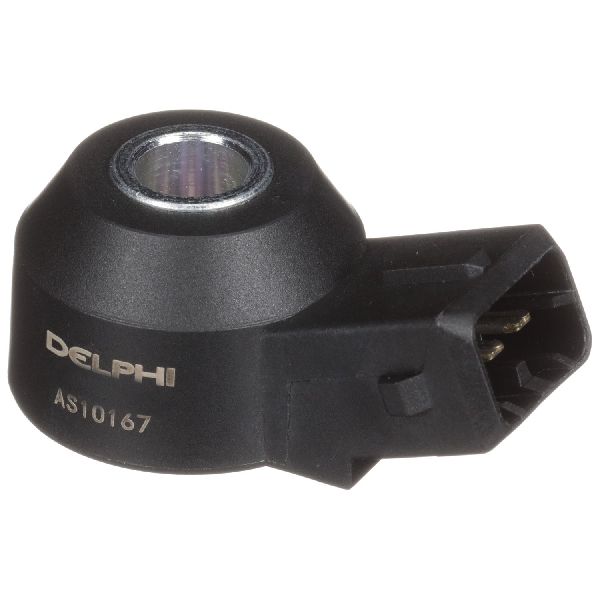
- Due to the high labor cost, it is strongly recommended to use a high-quality aftermarket brand like Delphi, NGK, or Standard Ignition to ensure reliability.
- The primary trouble codes associated with this issue are P0325 and P0330.
Symptoms of a Failing Knock Sensor on a Pacifica
When a knock sensor goes bad, your Pacifica's computer can no longer properly adjust ignition timing. This can cause several noticeable problems. The most common sign is the Check Engine Light illuminating on your dashboard. You may also experience a drop in engine power, hesitation when you accelerate, and worse gas mileage. In some cases, you might hear a metallic pinging or knocking sound coming from the engine, especially when going uphill or under load.
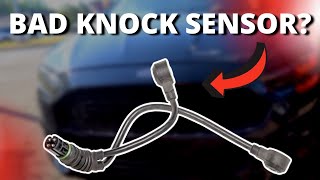
🎬 Watch: Learn more about common symptoms of a bad knock sensor.Critical Installation Information for Pacifica Owners
On the 2004-2009 Chrysler Pacifica, equipped with the 3.5L, 3.8L, or 4.0L V6 engines, the two knock sensors are located in the valley of the engine, underneath the lower intake manifold. This means the entire upper and lower intake manifold assembly must be removed to access and replace them. This is a labor-intensive job that significantly increases the cost of replacement and is not recommended for a beginner DIY mechanic.
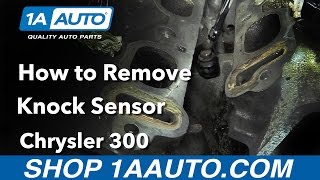
🎬 Watch this step-by-step walkthrough of the 3.5L knock sensor replacement.Choosing the Right Aftermarket Knock Sensor
Because replacing the knock sensors on this vehicle is a difficult job, choosing a quality, reliable part is extremely important to avoid doing the job a second time. While an OEM sensor from the dealer is an option, several reputable aftermarket brands offer excellent quality and value.
Aftermarket brands can be grouped into tiers based on reputation for electronic sensors:
- Top Tier (Recommended): These brands have a strong reputation for producing reliable electronic components that meet or exceed OEM specifications. Given the high labor cost for this repair, choosing a top-tier part is a wise investment.
- Delphi: Often an original equipment manufacturer for many car brands, Delphi sensors are generally considered a high-quality choice.
- NGK (or NTK): NTK is the sensor division of NGK, a world leader in ignition and sensor technology. They are a top choice for reliability.
- Standard Ignition (SMP): A long-standing brand in the aftermarket, Standard provides quality components and is a trusted name among professional technicians.
- Mid Tier (Good Value): These brands are known for providing a good balance of quality and price.
- Beck Arnley: Specializes in parts for import vehicles but provides quality components across the board, often sourcing parts from OEM suppliers.
- Holstein Parts: A newer brand but has established itself by focusing on quality control for sensors like ABS and knock sensors.
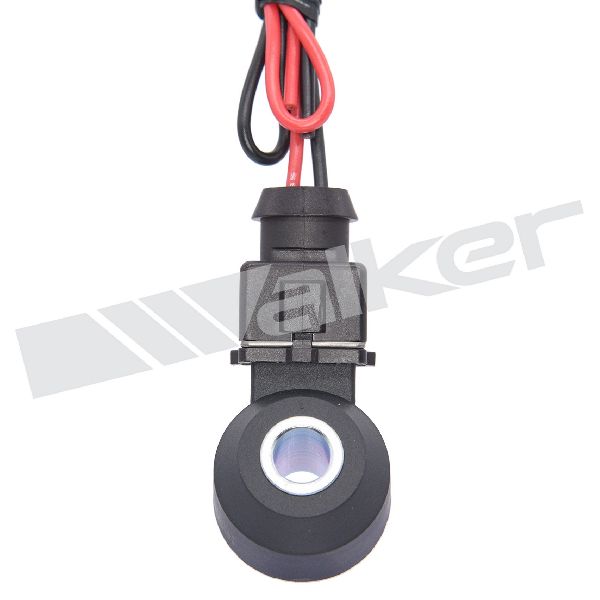
- Walker Products: A well-known name in fuel and engine management parts, offering a dependable option.
- Economy Tier (Use with Caution): While these brands offer the lowest price, the risk of part failure is higher. For an easily accessible part, this might be an acceptable risk. For the Pacifica's knock sensor, the high cost of labor makes this tier a gamble.
- Crown Automotive
- Global Parts
- Motorad
Pro Tip: Since the intake manifold must be removed, it is highly recommended to replace both knock sensors at the same time, along with the wiring harness that connects them. It is also the perfect time to replace the intake manifold gaskets to prevent future vacuum leaks.
Cost to Replace a Chrysler Pacifica Knock Sensor
The cost is dominated by labor due to the sensor's location. While the part itself is affordable, a repair shop will charge for several hours of work to remove the intake manifold.
| Item | Estimated Cost |
|---|---|
| Aftermarket Knock Sensor (x1) | $21 - $86 |
| Shop Labor | $300 - $550 |
| Total Estimated Cost (One Sensor) | $321 - $636 |
Frequently Asked Questions
Where are the knock sensors on a 2004-2009 Chrysler Pacifica?
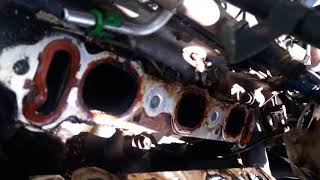
The knock sensors are located deep in the engine valley, between the two cylinder heads, directly underneath the lower intake manifold. You cannot see or access them without removing the manifold first.
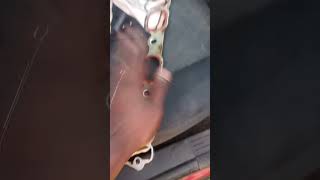
🎬 See this video showing exactly where the sensors are located.Why is the replacement estimate so high?
The high cost is almost entirely due to the labor involved. Mechanics need to disconnect fuel lines, wiring, and vacuum hoses to remove the entire intake manifold just to get to the sensors. This process can take 2.5 to 4 hours, which makes up the bulk of the repair bill.
Should I replace both knock sensors at once?
Yes, absolutely. Since the labor is the same whether you replace one or both, it is highly cost-effective to replace both sensors and the short wiring harness that connects them while the intake manifold is off. This prevents you from having to pay for the same expensive labor again if the second original sensor fails soon after.
What are the common trouble codes for a bad knock sensor?
The most common codes are P0325 (Knock Sensor 1 Circuit Malfunction) and P0330 (Knock Sensor 2 Circuit Malfunction). P0325 refers to the sensor for Bank 1, and P0330 is for Bank 2.
Are there any recalls for the Pacifica knock sensor?
No, there are no specific recalls or widespread Technical Service Bulletins (TSBs) from Chrysler for knock sensor failure on the 2004-2009 Pacifica models.
Helpful Videos
Technical Specifications
The 2004-2009 Chrysler Pacifica uses two knock sensors, one for each cylinder bank of the V6 engine. They are located in the engine valley beneath the intake manifold.
We Have This Part in Stock


The information in this article is provided for general reference and educational purposes only. Vehicle specifications, procedures, and part compatibility can vary by production date, trim level, and region. Always consult your vehicle's factory service manual and verify part numbers before purchasing or performing repairs. Safety-critical components such as airbags, seat belts, and braking systems should be installed by a qualified professional.
- Chrysler Pacifica: