

2006-2010 Dodge Charger Horn: A Complete Replacement Guide
Is your Charger's horn silent or weak? Here's what you need to know before buying a new one.
- Before buying a new horn, always check the fuse and relay first, as they are common and inexpensive failure points.
- A weak or high-pitched sound almost always means one of the two horns in the assembly has failed.
- If the horn and steering wheel buttons fail together, or if the airbag light is on, suspect a faulty clock spring.
- Replacement requires accessing the area behind the front bumper cover.
Is Your Horn Really Broken? Diagnosis First
Before you spend money on a new horn assembly, it’s important to make sure the horn itself is the problem. For the 2006-2010 Dodge Charger, a non-working horn is often caused by a simpler electrical issue. Follow these steps to diagnose the problem:
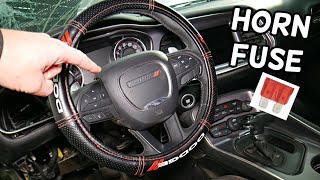
- Check the Fuse: The easiest and most common fix is a blown fuse. Locate the fuse box in the engine bay. The diagram on the cover should help you find the horn fuse. If it's blown, replace it with a new fuse 🎬 Watch: How to find and replace your horn fuse of the same amperage. If the new fuse blows right away, you have a short circuit that needs to be fixed.
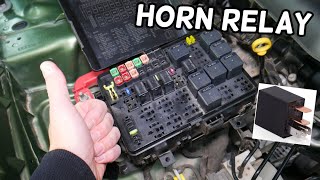
- Check the Relay: The horn relay is also in the engine bay fuse box. When you press the horn, you should hear a faint click from the relay. If you hear a click but the horn doesn't sound, the relay is likely working. If you don't hear a click, the relay could be bad. You can try swapping it with an identical relay from a non-critical system 🎬 See this guide to locating and testing the horn relay (like the fog lights) to test it.
- Test the Horns Directly: If the fuse and relay are good, you can test the horns themselves. They are located behind the front bumper cover. You can apply 12V power directly from the car battery to the horn terminals. If they make a sound, the problem is in the vehicle's wiring or the horn switch in the steering column. If they stay silent, the horn assembly has failed.
Clock Spring and Airbag Warning
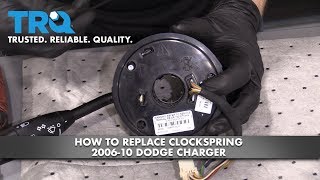
A very common reason for the horn to stop working on these Chargers is a failed clock spring. The clock spring is a part in the steering column that maintains electrical connections for the horn, steering wheel controls, and the driver's airbag. If your horn stopped working at the same time as your radio controls or if your airbag/SRS light is on, the clock spring is the most likely cause. 🎬 Watch: Step-by-step clock spring replacement for 2006-2010 Chargers CRITICAL: 2006-2010 Chargers are under a "Do Not Drive" recall for dangerous Takata airbag inflators. A lit airbag light means the system is disabled and will not deploy in a crash. Check your VIN on the NHTSA website immediately.
Choosing a New Aftermarket Horn
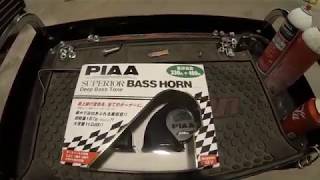
If you've confirmed the horn assembly itself is dead, you have a choice between an original equipment (OEM) part from the dealer and an aftermarket part. For a vehicle of this age, an aftermarket horn is a smart, budget-friendly choice.
- OEM Horns: These are the exact parts your car was built with. They guarantee a perfect fit and the original sound, but you will pay a premium. You may also need to buy the high-note and low-note horns separately.
- "Replacement" Brand Aftermarket Horns: Aftermarket brands like Replacement offer a direct-fit alternative designed to meet or exceed original specifications. They are much more affordable and are typically sold as a complete set, ensuring you get the correct high and low tones. For a part like a horn, the quality and longevity are comparable to OEM for most drivers.
Cost of Replacing a 2006-2010 Dodge Charger Horn
| Part Type | Estimated Cost |
|---|---|
| New Aftermarket (Replacement Kit) | $63.20 |
| New OEM (High & Low Horns) | $39 - $56 |
| Shop Labor | $104 - $152 |
Installation Pro-Tip
Replacing the horn on a 2006-2010 Charger requires removing the front bumper fascia (cover) to access the mounting location. While not overly complex, it involves removing several clips and bolts. If you are not comfortable with this, the job can be completed by a professional mechanic in about an hour.
Frequently Asked Questions
Why does my Charger's horn sound weak or high-pitched?
This is the most common symptom of a partial horn failure. Your Charger has a high-tone and a low-tone horn; a weak or tinny sound means one of the two has stopped working, and you are only hearing the remaining one. It is recommended to replace them as a pair.
Is there a recall on the horn for my Dodge Charger?
No, there are no specific recalls or technical service bulletins (TSBs) for horn failure on the 2006-2010 Dodge Charger. However, there is a critical recall for the Takata airbag, and a related part called the clock spring is a common cause of horn failure.
Where is the horn fuse located?
The main horn fuse is typically located in the fuse box (Totally Integrated Power Module) under the hood. Some models may also have a fuse in the rear fuse box (in the trunk) that powers the steering control module, which can also affect horn operation.
Can I drive my Charger without a working horn?
While the car will operate, driving without a functional horn is unsafe and may be illegal in your area, as it is a required piece of safety equipment. It will also cause your vehicle to fail a safety inspection.
Helpful Videos
Technical Specifications
OEM Part Numbers: 68054453AB 68054454AB 5026212AA 5026213AA
System Type: Dual Horn (High and Low Note)

The information in this article is provided for general reference and educational purposes only. Vehicle specifications, procedures, and part compatibility can vary by production date, trim level, and region. Always consult your vehicle's factory service manual and verify part numbers before purchasing or performing repairs. Safety-critical components such as airbags, seat belts, and braking systems should be installed by a qualified professional.
- Dodge Charger: