

Hyundai Sonata Engine Coolant Temperature Sensor Guide (2004-2009)
Fix check engine lights, poor fuel economy, and erratic temperature gauge readings on your Sonata.
- A bad ECT sensor commonly causes a check engine light, poor gas mileage, and an incorrect temperature gauge reading.
- This is an easy DIY replacement that most owners can do in under an hour with basic tools.
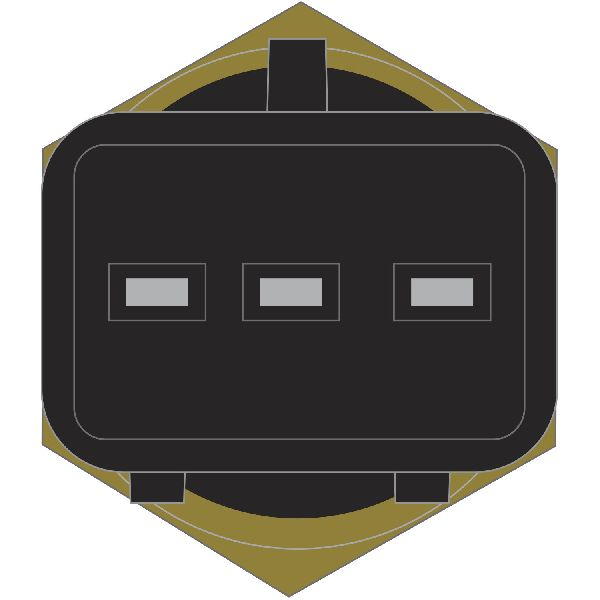
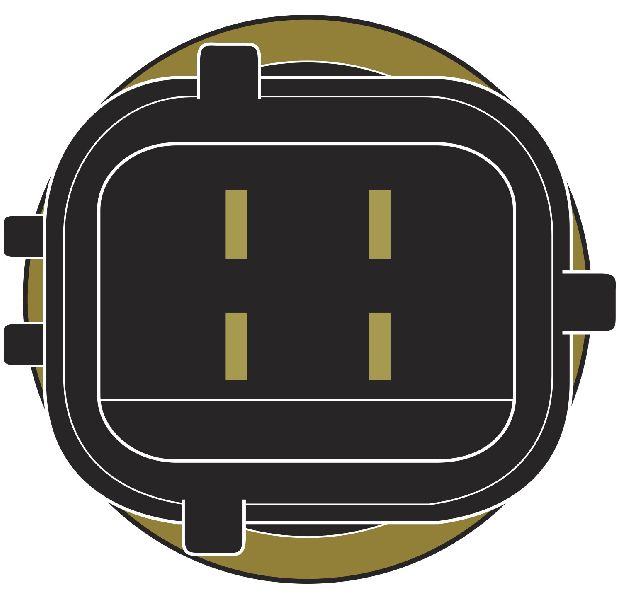
- Before buying, check if your Sonata needs a 2-pin or 3-pin sensor to ensure you get the right part.
- For best results, choose a quality aftermarket brand like NGK or Beck Arnley to ensure accurate readings and long life.
Is Your Sonata's Temperature Sensor Failing?

A bad Engine Coolant Temperature (ECT) sensor can cause a surprising number of problems. Because the sensor's reading affects so many engine functions, a false signal can make your car run poorly. If the ECU thinks the engine is always cold, it will constantly run a rich fuel mixture, wasting gas and potentially causing black smoke from the exhaust. If it thinks the engine is hot, it may not provide enough fuel, leading to a rough idle or hard starts. In some cases, it can prevent the radiator fans from turning on, leading to engine overheating.
Common Symptoms of a Bad ECT Sensor

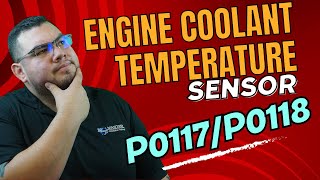
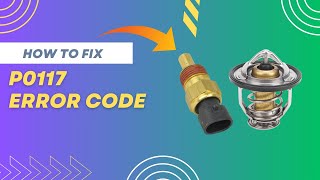
- Check Engine Light: This is often the first sign. Common trouble codes include P0115, P0116, P0117, and P0128. 🎬 See how to diagnose and fix a P0117 trouble code.
- Erratic Temperature Gauge: The needle on your dashboard may jump around, stay on cold, or shoot up to hot unexpectedly.
- Poor Fuel Economy: The engine may run rich, burning more fuel than necessary.
- Black Smoke from Exhaust: A sign of a very rich fuel mixture, where unburnt fuel is exiting through the exhaust.
- Engine Overheating or Overcooling: The sensor may fail to trigger the cooling fans, or it may cause them to run constantly.
- Rough Idle and Poor Performance: The car may stumble, hesitate, or feel sluggish due to an incorrect air-fuel ratio.
Check Your Connector Before You Buy!
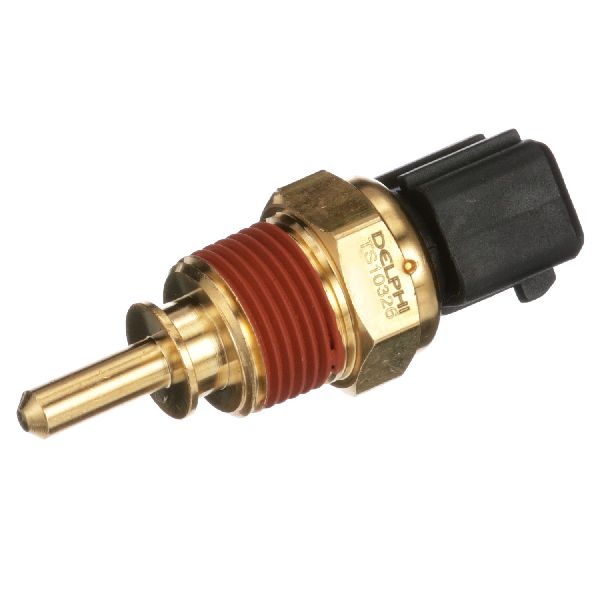
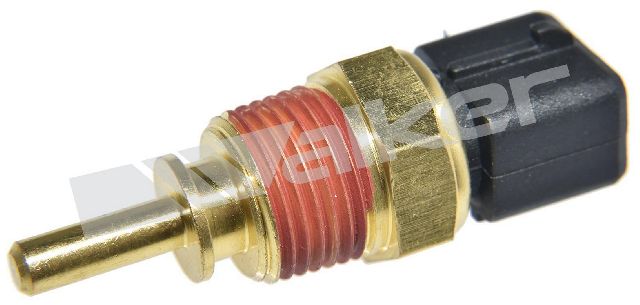
For the 2004-2009 Sonata, there can be variations in the ECT sensor's electrical connector. Some may have a 2-pin circular connector, while others use a 3-pin rectangular one. Before ordering, visually inspect the sensor on your engine to ensure you purchase a new part with the matching connector.
Choosing the Right Aftermarket Part

When it comes to engine sensors, quality matters. A cheap, poorly made sensor can be inaccurate right out of the box or fail quickly. While an OEM sensor from a Hyundai dealer is always an option, high-quality aftermarket brands offer a reliable alternative for less money.
- Tier 1 (Recommended): Brands like NGK (NTK) and Beck Arnley have a strong reputation. NTK is the sensor division of NGK, a well-respected OE supplier. Beck Arnley specializes in sourcing parts that meet original equipment (OE) specifications for form, fit, and function.
- Tier 2 (Good Value): Brands such as Delphi and Standard Ignition (SMP) can be good options. Delphi is an OE supplier for many car manufacturers, though some of their aftermarket parts may be sourced differently than their OE lines.
- Tier 3 (Budget): Other brands may offer the lowest price, but their quality and longevity can be inconsistent. For a critical sensor like the ECT, spending a few extra dollars for a brand from Tier 1 or 2 is a wise investment.
Cost of Replacing the ECT Sensor
| Part Type | Estimated Cost |
|---|---|
| New Aftermarket Sensor | $14.94 - $42.24 |
| New OEM Sensor | $50 - $70 |
| Shop Labor | $100 - $150 |
| Total Professional Replacement | $115 - $220 |
DIY Replacement is Simple
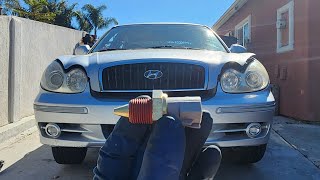
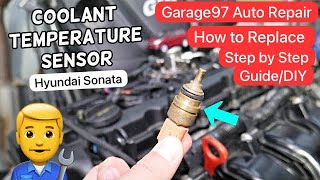
🎬 Watch this step-by-step Sonata sensor replacement walkthrough.Replacing the ECT sensor is a beginner-friendly job that usually takes less than an hour. The sensor is located on the driver's side of the engine near the thermostat housing. The main steps involve partially draining the coolant, unplugging the old sensor, unscrewing it, and installing the new one. Always work on a completely cool engine to avoid burns from hot coolant.
Frequently Asked Questions

Where is the ECT sensor located on a 2004-2009 Sonata?
You will find the sensor on the driver's side of the engine, screwed into the cylinder head or thermostat housing, right where the large upper radiator hose connects to the engine.
Can I replace the coolant temperature sensor myself?
Yes, this is a straightforward DIY repair. You will need basic hand tools like a socket set (often a 19mm deep socket), a drain pan for coolant, and replacement coolant to top off the system. The job typically takes 30-60 minutes.
My temperature gauge is still acting up after replacing the sensor. What's wrong?
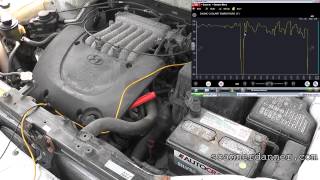
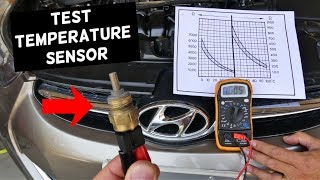
If a new, quality sensor doesn't fix an erratic gauge, the problem could be in the wiring harness between the sensor and the ECU, or a fault in the instrument cluster itself. 🎬 Learn how to test the coolant sensor on your Hyundai. It's also important to ensure all air has been bled from the cooling system after the repair.
Are there any recalls for the ECT sensor on the 2004-2009 Sonata?
No, there are no specific recalls or Technical Service Bulletins (TSBs) from Hyundai or the NHTSA for the engine coolant temperature sensor on this generation of Sonata. Recalls for Sonatas of this era typically relate to engine bearing wear or other issues.
Helpful Videos

Technical Specifications
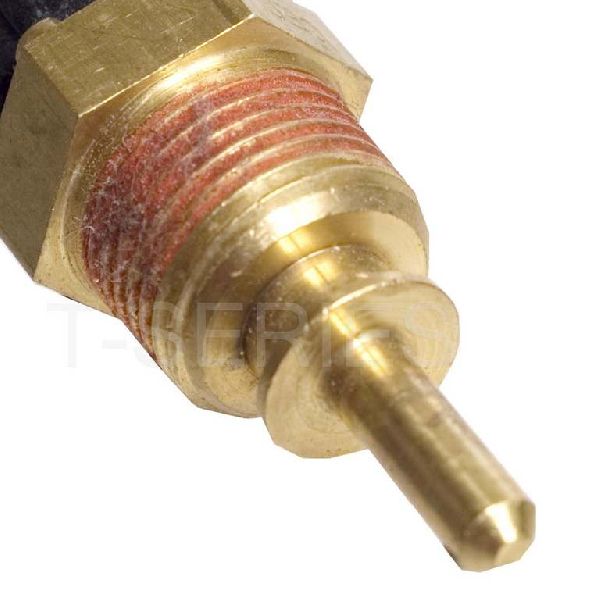
OEM Part Numbers: 39220-38030 39220-38020 39230-26700 39220-38010
Location: Driver's side of the engine, near the thermostat housing. Common tools: 19mm deep socket, drain pan, pliers. Note: Connector type may vary (2-pin vs 3-pin).
We Have This Part in Stock


The information in this article is provided for general reference and educational purposes only. Vehicle specifications, procedures, and part compatibility can vary by production date, trim level, and region. Always consult your vehicle's factory service manual and verify part numbers before purchasing or performing repairs. Safety-critical components such as airbags, seat belts, and braking systems should be installed by a qualified professional.
- Hyundai Sonata: