

A Guide to Replacing the Radiator on Your 2004-2009 Jaguar XJ8
Keep your XJ8's V8 engine from overheating by understanding common failure points and choosing the right replacement radiator.
- The most common failure is the radiator's plastic side tanks becoming brittle and cracking, especially at the hose connections.
- For long-term reliability, choose a premium aftermarket brand like Nissens, which often uses improved materials over the original.
- It is highly recommended to replace the coolant expansion tank, thermostat, and radiator hoses at the same time as the radiator.
- The job is DIY-friendly for those with some experience, but be prepared for tight working conditions around the A/C lines.
Why Radiators Fail on the 2004-2009 Jaguar XJ8
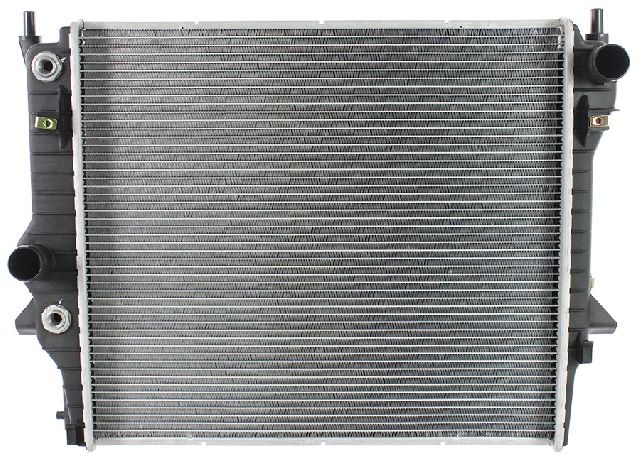
The original radiator on the X350-generation Jaguar XJ8 is made with an aluminum center section (the core) and plastic tanks on the sides. Over many years and countless heat cycles, this plastic becomes old and brittle. The most common point of failure is the plastic hose connections, which can develop hairline cracks or even break off completely. Owners often notice the plastic has turned a chalky brown color, which is a sign that it has become weak. Leaks can also start at the seams where the plastic side tanks are crimped onto the aluminum core.
Symptoms of a Failing Radiator
A failing radiator will quickly let you know something is wrong. You should stop driving immediately if you notice these signs to avoid catastrophic engine damage.
- Engine Overheating: The temperature gauge on your dashboard will climb into the red zone, and you may see a warning message.
- Visible Coolant Leaks: You may find puddles of orange or pink fluid under the front of your car. This is coolant, and it has a distinct sweet smell.
- Low Coolant Warning: A 'Coolant Level Low' message on the instrument cluster is often the first sign of a small leak.
- Steam from Engine Bay: If coolant leaks onto the hot engine or radiator, it will turn into steam that you can see coming from under the hood.
Pro Tip: A Cooling System Refresh
The plastic used for the radiator tanks is the same type used for other cooling parts like the thermostat housing and coolant expansion (overflow) tank. If your radiator has failed due to brittle plastic, these other parts are likely near the end of their life too. It is highly recommended to replace the radiator, expansion tank, thermostat, and all major coolant hoses at the same time to prevent future failures.
🎬 Watch: How to replace the thermostat housing and water pump.Choosing the Right Aftermarket Radiator
You do not need to buy a radiator from a Jaguar dealer to get a quality part. However, not all aftermarket brands are created equal. For a premium vehicle like an XJ8, choosing a quality part is important for reliability.
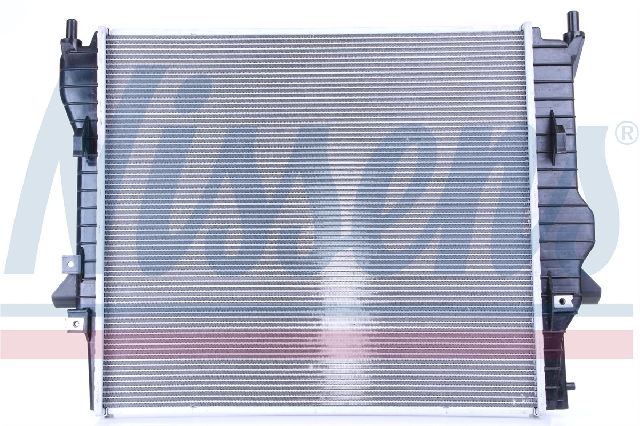
- Premium Aftermarket (Example: Nissens): Brands like Nissens are known for making parts that meet or exceed original equipment (OE) standards. They often use higher-quality materials, such as fiberglass-reinforced plastic for the tanks, which better resist heat and stress. These are an excellent choice for longevity and peace of mind.
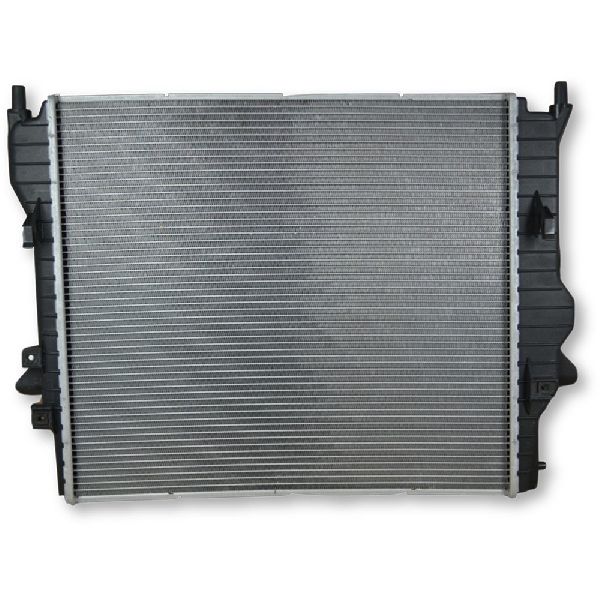
- Standard/Economy Aftermarket (Examples: APDI, Global Parts, One Stop Solutions): These brands offer a much lower price point. While they will fit and function, they may use cheaper materials that won't last as long as a premium option. For a daily driver or a car you plan to keep, investing in a premium brand is often worth the extra cost to avoid doing the job again in a few years.
| Part Type | Estimated Part Cost |
|---|---|
| New OEM (Jaguar) | $1,290 - $1,540 |
| New Aftermarket | $213 - $491 |
| Shop Labor | $300 - $440 |
Frequently Asked Questions (FAQ)
Can I replace the radiator myself?
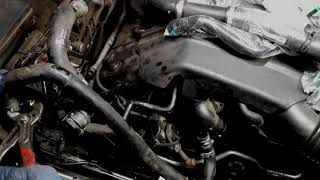
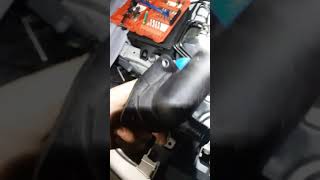
Yes, this job is possible for an experienced DIY mechanic. The process can be tricky due to tight spaces, especially around the air conditioning condenser lines 🎬 See how to navigate tight spaces during radiator removal. that wrap around the radiator. Patience and the right tools are key. Some owners find it much easier to remove the front bumper for better access.
🎬 Watch this step-by-step 2008 XJ8 radiator replacement walkthrough.Is an aftermarket radiator as good as the Jaguar OEM part?
A premium aftermarket radiator from a brand like Nissens can be just as good, if not better, than the original part. The original design is known to fail at the plastic tanks, and some high-quality aftermarket parts use improved materials to address this weakness. Economy brands are a budget-friendly option but may not offer the same long-term durability.
What kind of coolant do I need for my 2004-2009 XJ8?
Your Jaguar requires a specific coolant that meets the Jaguar JLM 20972/3 specification. This is an Organic Acid Technology (OAT) coolant, which is orange in color. Do not mix it with other coolant types, as this can cause damage to the cooling system. Always use distilled water to mix with the coolant concentrate.
Do I need to replace my radiator hoses at the same time?
Yes, it is highly recommended. The rubber hoses degrade over time and can become soft or brittle. Since you have to drain the coolant and remove the hoses to replace the radiator anyway, installing new hoses at the same time is a smart and inexpensive way to prevent future leaks.
Helpful Videos

Technical Specifications
OEM Part Numbers: C2C36506
Core Material: Aluminum; Tank Material: Plastic; Required Coolant: Jaguar JLM 20972/3 (Orange OAT)
We Have This Part in Stock


The information in this article is provided for general reference and educational purposes only. Vehicle specifications, procedures, and part compatibility can vary by production date, trim level, and region. Always consult your vehicle's factory service manual and verify part numbers before purchasing or performing repairs. Safety-critical components such as airbags, seat belts, and braking systems should be installed by a qualified professional.
- Jaguar XJ8: