

A Guide to Replacing Brake Calipers on Your 2004-2009 Lincoln Navigator
Learn how to choose the right new aftermarket brake calipers to keep your Navigator stopping safely.
- A seized caliper can be caused by an internally collapsed brake hose; inspect the hose before replacing the caliper.
- Always replace calipers in pairs (both front or both rear) to ensure even braking.
- For longevity in rust-prone areas, choose a premium aftermarket brand with a protective coating.
- Plan to replace your brake pads and inspect your rotors when changing calipers.
Is Your Lincoln Navigator's Brake Caliper Failing?
A bad brake caliper is a serious safety issue. If you notice any of these symptoms, you should inspect your brakes immediately. A failing caliper can stick, causing the brake to stay partially applied, or it can fail to apply pressure, reducing your stopping power.
Choosing the Right Aftermarket Caliper
When replacing a caliper on your Navigator, you have several types of new aftermarket options. Original equipment (OEM) parts from Motorcraft are made to the exact factory specifications, but quality aftermarket parts can offer similar performance and a better value. Aftermarket brands often come in different tiers.
| Brand Tier | Description | Example Brands |
|---|---|---|
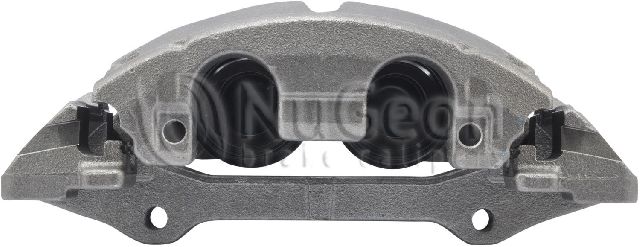
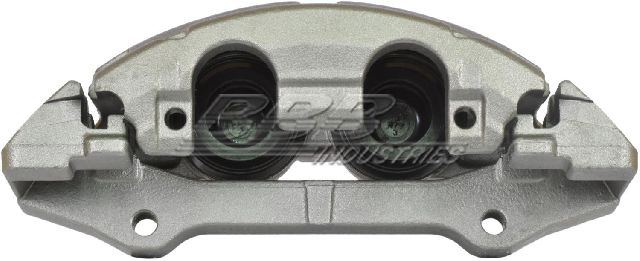
| Standard Replacement | These calipers are designed to meet or exceed original factory performance. They are a reliable and cost-effective choice for daily driving. | Dynamic Friction, BBB Industries, Cardone Select (New) |
| Premium OE-Style | These brands are well-known for their quality and often feature protective coatings to prevent rust, which is a great benefit if you live in an area with harsh winters. They offer excellent durability and fitment. | Raybestos, Centric |
| Performance Upgrade | For those who tow or simply want improved braking performance, these calipers are a great option. They often come powder-coated for superior corrosion resistance and are built to handle higher temperatures. | PowerStop |
Pro Tip: Check Your Brake Hoses! A common issue on these Navigators is for the flexible rubber brake hose to collapse internally. This traps brake fluid, keeping the caliper engaged, which perfectly mimics the symptoms of a seized caliper. Before replacing the caliper, it's wise to check if the hose is the real problem. If the caliper releases pressure only after you open the bleeder screw, the hose is likely at fault.
Frequently Asked Questions
Should I replace brake calipers in pairs?
Yes, it is always recommended to replace calipers in pairs (both front wheels or both rear wheels). This ensures even braking performance and prevents the vehicle from pulling to one side. An old caliper will not react the same as a new one.
What are coated calipers and are they worth it?
Coated calipers have a special layer, often a powder coat or zinc plating, that helps prevent rust and corrosion. If you live in the rust belt or areas where roads are salted in the winter, a coated caliper (like those from PowerStop or Raybestos Element3 line) is highly recommended for longer life and better appearance.
What's the difference between a new and a remanufactured caliper?
A new caliper is made from all-new materials. A remanufactured caliper uses the original caliper body (the core), which is cleaned, inspected, and rebuilt with new seals, boots, and pistons. While this guide focuses on new parts, remanufactured calipers from quality brands like Cardone or Centric are a common, budget-friendly option. However, quality can sometimes be inconsistent compared to new parts.
Do I need to replace my brake pads and rotors too?
It is best practice to install new brake pads whenever you replace a caliper. If a caliper has failed by sticking, it has likely generated extreme heat and caused damage or uneven wear to both the pads and the rotor. For best performance and safety, replacing the caliper, pads, and rotor on both sides of the axle is the recommended job.
Technical Specifications
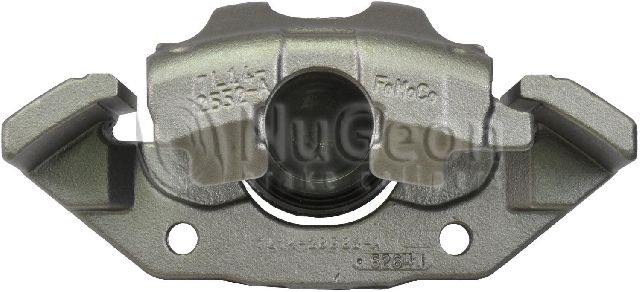
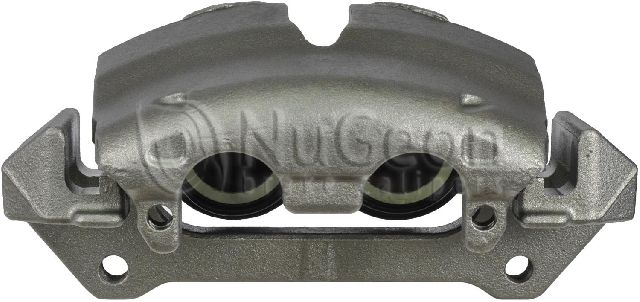
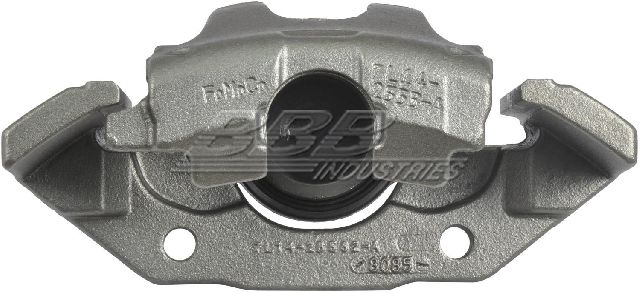
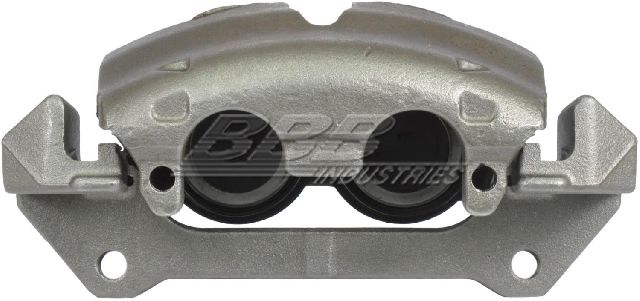
The 2004-2009 Lincoln Navigator uses floating calipers. The number of pistons can vary between front and rear axles. Ensure you purchase the correct part for your vehicle's specific position (front left, front right, rear left, or rear right) as they are not interchangeable.
We Have This Part in Stock

The information in this article is provided for general reference and educational purposes only. Vehicle specifications, procedures, and part compatibility can vary by production date, trim level, and region. Always consult your vehicle's factory service manual and verify part numbers before purchasing or performing repairs. Safety-critical components such as airbags, seat belts, and braking systems should be installed by a qualified professional.
- Lincoln Navigator: