

A Guide to the Automatic Transmission Mount for the 2004-2009 Nissan Maxima
Stop the clunks and vibrations from your Maxima by understanding and choosing the right replacement transmission mount.
- Symptoms like clunking and jerking can mimic serious transmission failure but are often just a bad mount.
- Always inspect all engine and transmission mounts at the same time; they often fail together.
- Aftermarket mounts offer great value, but premium brands like Beck Arnley may provide better fit and longevity than budget options.
- There are no specific recalls for this mount, but transmission issues in this Maxima generation are well-documented and can stress the mounts.
Is Your Maxima Shaking, Clunking, or Jerking?
If you own a 6th generation Nissan Maxima (2004-2008) or an early 7th gen (2009), you know it has a powerful 3.5L V6 engine. That power puts a lot of stress on the parts that hold the engine and transmission in place. The automatic transmission mount is a common wear item. When it fails, the symptoms can be alarming and may even feel like a major transmission failure.
Symptoms of a Failing Transmission Mount
A worn or broken transmission mount allows for excessive movement, leading to a variety of symptoms. Look out for these common signs:
- Clunking or Banging Noises: You may hear a loud clunk or bang when you shift from Park to Drive or Reverse. This noise can also occur during hard acceleration or braking as the transmission assembly shifts and hits the subframe.
- Excessive Vibration: A key job of the mount is to absorb vibration. When the rubber insulator wears out, you'll feel more of the engine and transmission's vibration inside the car, especially through the floor and steering wheel.
- Jerky or Rough Shifting: The 2004-2009 Maxima is known for some transmission issues that can cause harsh shifting. A bad mount can make this worse or even be the primary cause. The extra movement can create a jerking sensation as the gears engage.
Mount Failure vs. Transmission Failure
The 2004-2008 Maxima, particularly those with the 5-speed automatic, had some known transmission problems that can cause symptoms like hard jerking and shifting delays. These symptoms are very similar to a failed mount. Before spending thousands on transmission work, a thorough inspection of all engine and transmission mounts is essential, as it is a much cheaper and simpler repair.
Choosing the Right Aftermarket Part
When replacing your transmission mount, you have a choice between original equipment (OEM) from Nissan and various aftermarket brands. For a vehicle of this age, an aftermarket part often provides the best value.
Brand Quality Tiers
- Premium Aftermarket (Beck Arnley): Beck Arnley focuses on parts for imported vehicles and aims to match OEM specifications for fit and quality. Forum users sometimes report that Beck Arnley parts are repackaged OEM parts, making them a reliable choice without the full dealership price.
- Standard Aftermarket (Anchor, Westar, DEA): These brands are widely available and offer a significant cost saving. However, quality can be inconsistent. Some mechanics report that these mounts use harder rubber, which can increase cabin vibration, or have minor fitment issues requiring adjustment during installation. Between them, some users have found Anchor to be of slightly better construction than Westar.
- Other Brands (Pioneer Cable): Some brands listed for this part, like Pioneer, are more known for other components like cables. It is generally best to stick with brands that specialize in mounts.
Replacement Cost
The cost to replace the automatic transmission mount can vary based on whether you do it yourself or use a professional mechanic. The labor is where most of the cost is.
| Item | Estimated Cost |
|---|---|
| New OEM Part | $250 - $300 |
| New Aftermarket Part | $37 - $80 |
| Shop Labor | $150 - $375 (1.5-2.5 hours) |
| Total Professional Replacement (Aftermarket Part) | $187 - $455 |
Note: Labor costs can vary significantly by location. Some sources report total replacement costs as high as $684-$946, which may include additional mounts or higher shop rates.
Frequently Asked Questions
Can I perform this replacement myself (DIY)?
Yes, this is a feasible DIY project for someone with moderate mechanical experience. It requires safely jacking up the car, supporting the transmission with a separate jack and a block of wood, and having the right tools (sockets, breaker bar). You may need to remove the battery and battery tray to access the top bolts of the mount.
How can I tell if it's the mount or the transmission itself?
A mechanic can perform a simple diagnostic test. With the car in gear and the brakes held firmly, they will lightly apply the throttle while watching the engine and transmission. Excessive lurching or movement points to a bad mount. A visual inspection can also reveal cracked or collapsed rubber on the mount.
Are there any recalls for this part?
No. As of early 2026, there are no specific NHTSA recalls or Technical Service Bulletins (TSBs) for the automatic transmission mount on the 2004-2009 Nissan Maxima.
Is an OEM mount worth the extra cost?
OEM mounts generally offer the best fit and use a rubber compound that is specifically designed for the vibration profile of your vehicle, ensuring the smoothest ride. For many owners, a premium aftermarket brand like Beck Arnley offers a good balance of quality and price. Budget brands are a viable option if cost is the primary concern, but be aware of potential trade-offs in vibration damping and longevity.
Technical Specifications
OEM Part Numbers: 11220-8Y000 11220-9N00A
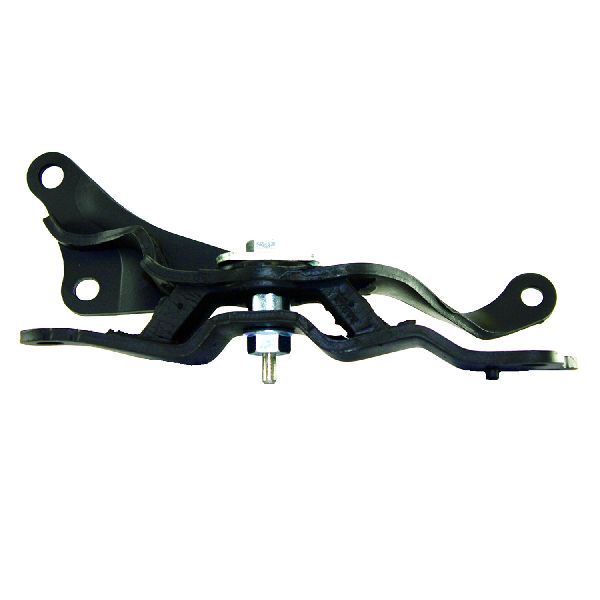
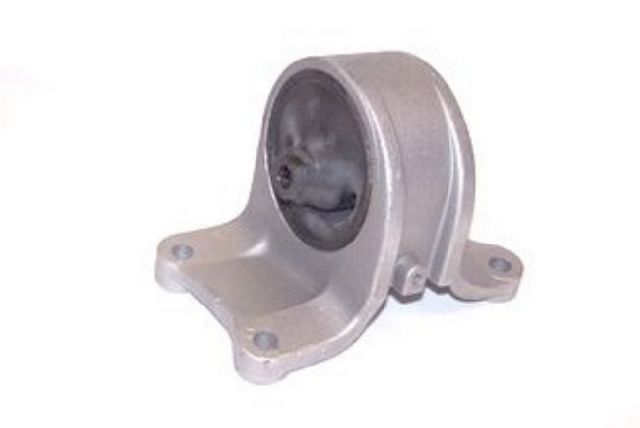
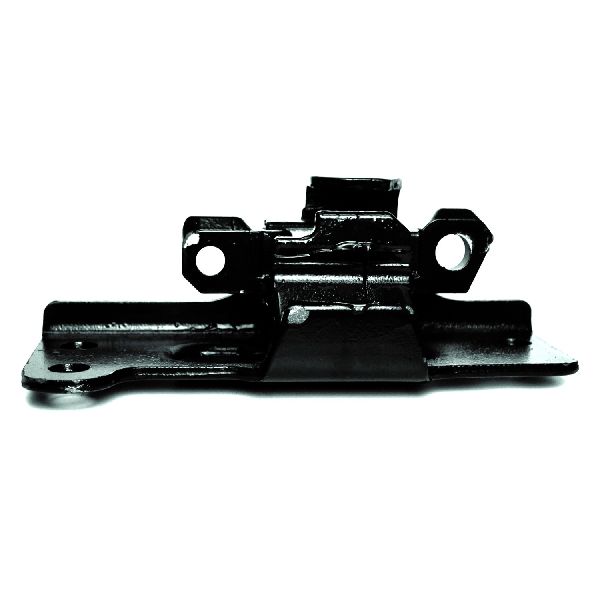
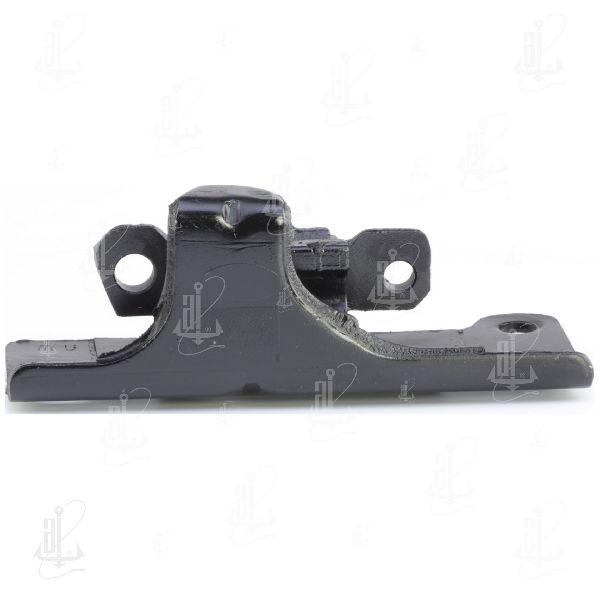
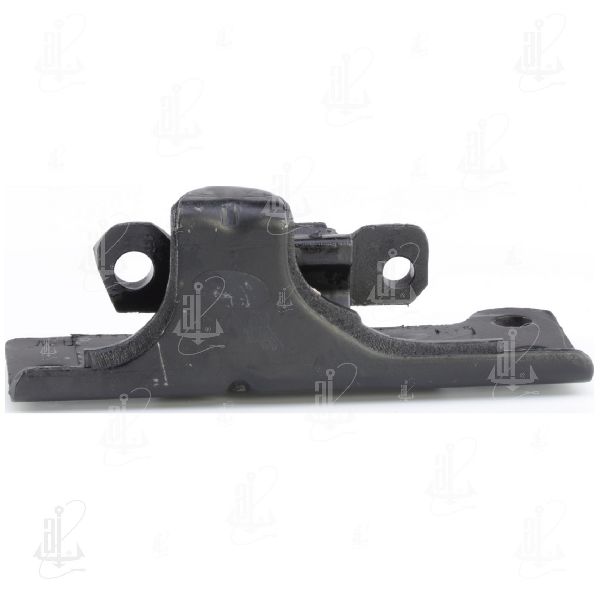
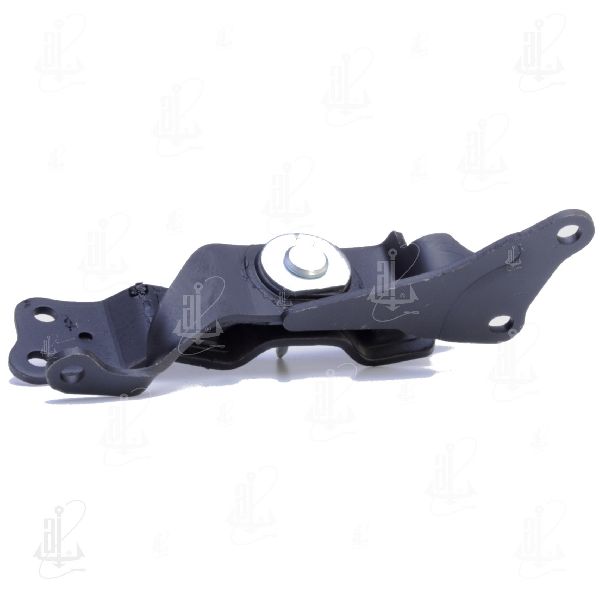
The automatic transmission mount is located on the driver's side of the engine bay, connecting the transmission case to the vehicle's subframe. It consists of a metal bracket and a large rubber insulator, which is sometimes liquid-filled in OEM designs to improve damping.
We Have This Part in Stock

The information in this article is provided for general reference and educational purposes only. Vehicle specifications, procedures, and part compatibility can vary by production date, trim level, and region. Always consult your vehicle's factory service manual and verify part numbers before purchasing or performing repairs. Safety-critical components such as airbags, seat belts, and braking systems should be installed by a qualified professional.
- Nissan Maxima: