

A Guide to the Ignition Knock Sensor for the 2004-2009 Nissan Maxima
Understand the symptoms of a failing knock sensor and why choosing the right replacement part is critical for your Maxima's VQ35DE engine.
- The knock sensor on a 2004-2009 Maxima is very difficult to replace, requiring removal of the intake manifold.
- Because labor costs are high, choosing a quality aftermarket brand like Delphi or Standard Ignition is recommended to avoid repeat repairs.
- Common symptoms of failure include a P0327 trouble code, poor acceleration, and reduced gas mileage.
- While replacing the sensor, it is a good practice to also replace the intake manifold gaskets.
Is Your Maxima Running Rough? It Could Be the Knock Sensor.
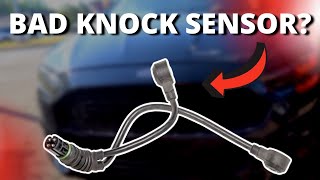
If your 2004-2009 Nissan Maxima is showing signs of poor acceleration, reduced fuel economy, or has an illuminated Check Engine Light, a faulty ignition knock sensor could be the culprit. This small but vital sensor plays a key role in your engine's health and performance. When it fails, the engine's computer may default to a 'safe' mode, retarding the ignition timing to prevent potential damage, which leads to sluggish performance and increased fuel use.
🎬 Watch this video to learn more about bad knock sensor symptoms.A Critical Installation Note for Maxima Owners
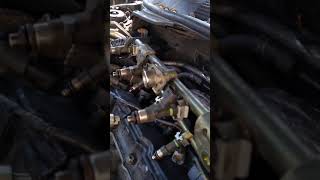
The knock sensor on the 3.5L VQ35DE engine in the 6th generation Maxima is located in the valley of the engine, underneath the upper and lower intake manifolds. This is not a simple part to access. Replacing it is a labor-intensive job that requires removing several major engine components. Because of the high labor cost, it is extremely important to choose a high-quality, reliable replacement part to avoid having to do the job twice.
Choosing the Right Aftermarket Knock Sensor
When replacing a part that is difficult to access, prioritizing quality over price is a wise decision. While OEM (Original Equipment Manufacturer) parts are always an option, several reputable aftermarket brands offer reliable alternatives.
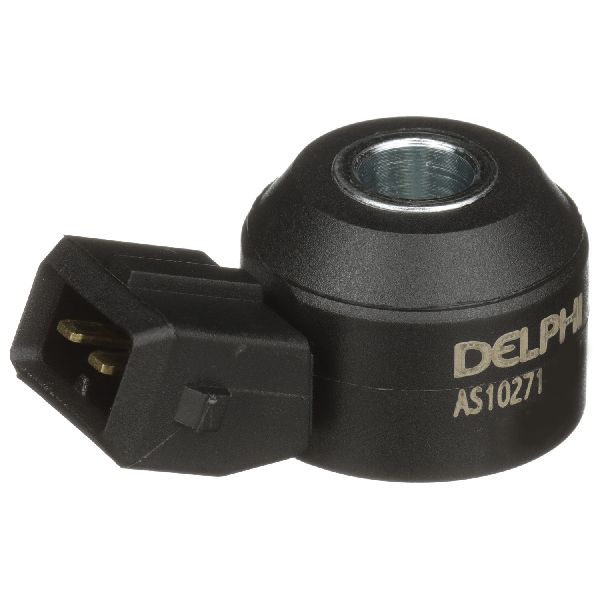
- Top-Tier Aftermarket (Delphi, Standard Ignition, Beck Arnley): These brands are often well-regarded in the automotive industry. Delphi, for example, is a major OE supplier and their aftermarket parts are often built to similar standards. Standard Ignition and Beck Arnley also have a reputation for producing quality components. For a critical, hard-to-reach sensor like this, spending a little more on a part from one of these brands is a sound investment.
- Mid-Tier & Budget (Global Parts, Holstein, Facet, Vemo, Walker Products): While these brands offer a more budget-friendly price point, their long-term reliability can be more varied. Some owners have had success with lower-cost sensors found online, but there is a greater risk of premature failure. Given the labor involved in this specific replacement, a failure of a budget part could cost you hundreds of dollars in repeat labor charges.
Pro Tip: While you're replacing the knock sensor, it's a good time to inspect and possibly replace the intake manifold gaskets. Since the manifold must be removed anyway, replacing these inexpensive gaskets can prevent future vacuum leaks.
| Part Type | Estimated Cost |
|---|---|
| New OEM | $140 - $220 |
| New Aftermarket | $43 - $121 |
| Shop Labor | $300 - $500+ |
Frequently Asked Questions (FAQ)
Where is the knock sensor located on the 2004-2009 Maxima?
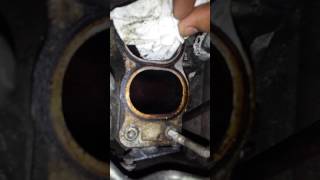
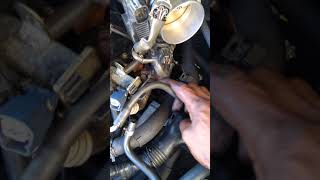
The knock sensor is located deep in the engine valley, underneath the intake manifold assembly. Accessing it requires removing the upper and lower intake manifolds, fuel rail, and other components. 🎬 See a brief overview of the sensor location and DIY steps. This makes it a challenging job for a DIY mechanic.
What are the common trouble codes for a bad knock sensor?
The most common trouble code is P0327, which means "Knock Sensor 1 Circuit Low Input." You might also see codes like P0325 (Knock Sensor Malfunction) or P0328 (Knock Sensor 1 Circuit High Input). These codes will cause the Check Engine Light to come on.
Can I replace the knock sensor myself?
While it is possible for an experienced DIY mechanic, it is a difficult and time-consuming job rated at a high difficulty. It requires significant disassembly of the top part of the engine. 🎬 Follow this detailed guide to begin removing your knock sensor. If you are not comfortable with a job of this scale, it is best left to a professional mechanic.
Are there any recalls or TSBs for this issue?
Our search did not find any specific recalls or Technical Service Bulletins (TSBs) from Nissan for widespread knock sensor failure on the 2004-2009 Maxima. Any failure is typically due to the age and mileage of the component.
Helpful Videos
Technical Specifications
OEM Part Numbers: 22060-7S000
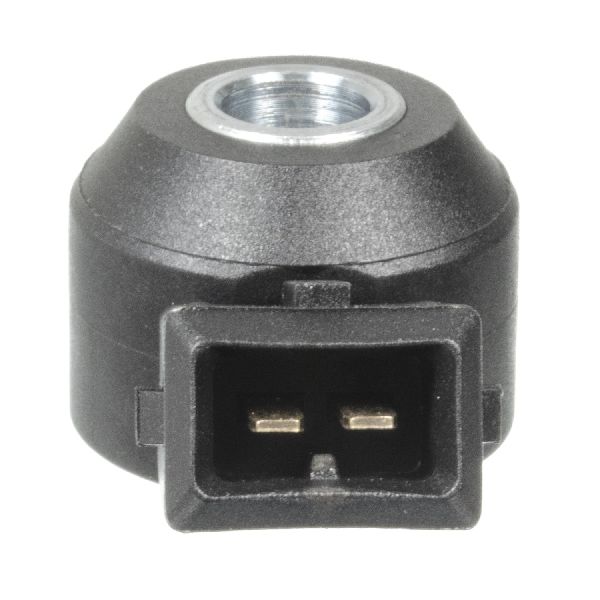
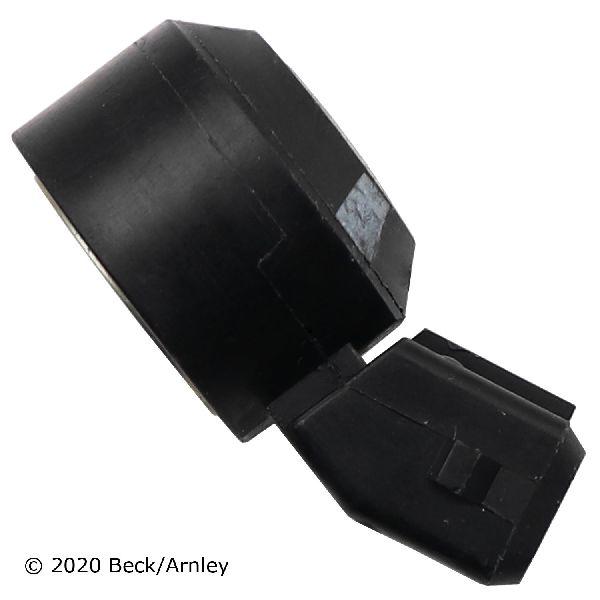
Located in the engine valley, under the intake manifold. Typically a single bolt, 2-wire piezoelectric sensor.
We Have This Part in Stock


The information in this article is provided for general reference and educational purposes only. Vehicle specifications, procedures, and part compatibility can vary by production date, trim level, and region. Always consult your vehicle's factory service manual and verify part numbers before purchasing or performing repairs. Safety-critical components such as airbags, seat belts, and braking systems should be installed by a qualified professional.
- Nissan Maxima: