

A Guide to the Mass Air Flow Sensor for the 2004-2009 Nissan Maxima
If your Maxima is stalling, hesitating, or getting poor gas mileage, the Mass Air Flow sensor is a likely suspect.
- For reliability, choose a Hitachi-branded MAF sensor, as they are the original manufacturer for Nissan.
- Avoid the cheapest no-name aftermarket sensors, as they are known to cause problems in Nissan vehicles.
- Before buying a new part, try cleaning your existing sensor with dedicated MAF sensor cleaner.
- Replacement is a very easy DIY job that requires only a screwdriver and takes less than 15 minutes.
Is Your Maxima's MAF Sensor Failing?
A bad Mass Air Flow (MAF) sensor can make your 2004-2009 Nissan Maxima run poorly. Common signs include a rough idle, stalling when you come to a stop, and hesitation or jerking when you accelerate. You will almost certainly see a Check Engine Light on your dashboard. Many owners also report a noticeable drop in fuel economy. 🎬 Watch: Common symptoms of a failing MAF sensor These issues happen because the engine's computer can't get an accurate reading of how much air is coming into the engine, so it can't mix the right amount of fuel.
OEM vs. Aftermarket: A Warning for Maxima Owners
For most parts, the choice between Original Equipment Manufacturer (OEM) and aftermarket is about balancing cost and quality. For the MAF sensor on a Nissan, the choice is more critical. These cars are known to be very sensitive to the quality of their electronic sensors. Forum discussions are filled with stories of Maxima owners who tried a cheap, no-name aftermarket MAF sensor only for it to fail quickly or not work at all right out of the box. Many ended up buying an OEM part after the aftermarket part caused more frustration.
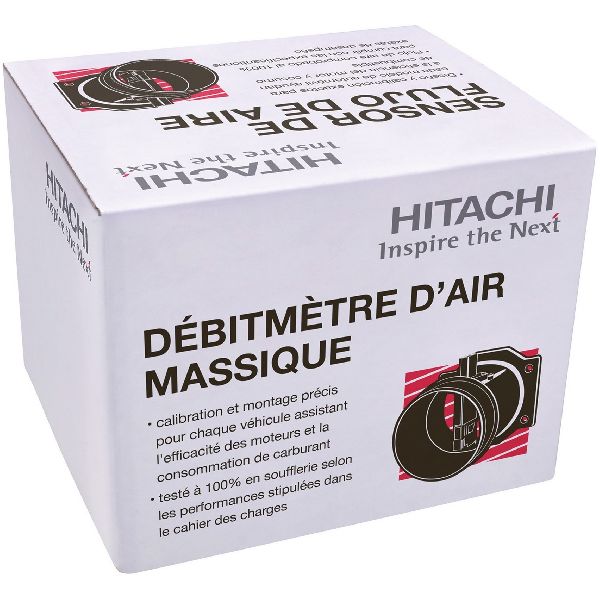
Pro Tip: The original MAF sensor for your Maxima was made by Hitachi. You can buy a Hitachi-branded sensor from an auto parts store. This is the same part you would get from a Nissan dealership, but often at a much lower price. This is the most recommended option for reliability.
Choosing the Right Aftermarket MAF Sensor
If you are considering an aftermarket sensor, it's best to stick with well-known, reputable brands. Here’s a breakdown of your options:
- Tier 1 (OEM Equivalent): Hitachi. This is the original part manufacturer and the safest choice for your Maxima.
- Tier 2 (Reputable Aftermarket): Brands like Delphi, NGK/NTK, and Spectra are established manufacturers that produce quality sensors. While generally reliable, the strong consensus among Nissan owners is that Hitachi is still the best bet.
- Tier 3 (Budget/Remanufactured): This category includes brands like Cardone (often remanufactured) and many low-cost options found online. While the low price is tempting, these parts have a higher risk of being dead-on-arrival or failing prematurely. Use these only if you are on a strict budget and understand the risk.
Oiled Air Filters and Your MAF Sensor
If you use an oiled air filter, like a K&N, be careful. If the filter is over-oiled, the excess oil can get sucked into the intake and coat the delicate wire on the MAF sensor. This contamination will cause the sensor to read incorrectly. If you have an oiled filter, make sure it is cleaned and oiled exactly according to the manufacturer's instructions.
Installation: An Easy DIY Job
Replacing the MAF sensor on a 2004-2009 Maxima is a simple job that most DIYers can do in under 15 minutes.
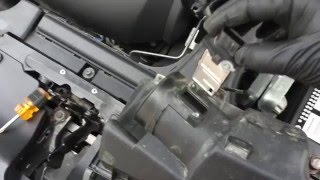
- Locate the MAF sensor. It is in the air intake tube, right behind the air filter box.
- Unplug the electrical connector by pressing the release tab.
- Remove the two screws holding the sensor in place. A Phillips head screwdriver is usually all that is needed.
- Gently pull the old sensor straight out of the housing.
- Insert the new sensor, making sure it is seated correctly.
- Reinstall the two screws. Do not overtighten them, as you can crack the plastic housing.
- Plug the electrical connector back in until it clicks. 🎬 See this step-by-step sensor replacement walkthrough
Cost of Replacing a MAF Sensor on a 2004-2009 Nissan Maxima
| Part Type | Estimated Cost |
|---|---|
| New Aftermarket (Budget) | $55 - $90 |
| New Aftermarket (Hitachi OEM) | $95 - $200 |
| Shop Labor | $50 - $100 |
Frequently Asked Questions (FAQ)
Can I just clean my old MAF sensor?
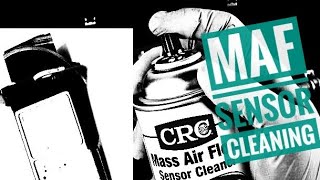
Yes, and you should try this first. Often, the sensor is just dirty. Purchase a can of dedicated MAF sensor cleaner spray from an auto parts store. Do NOT use brake cleaner or any other chemical, as it will destroy the sensor. Remove the sensor and spray the cleaner generously on the small wires inside the housing. Do NOT touch the wires. Let it dry completely before reinstalling. If cleaning doesn't solve the problem, the sensor has likely failed electronically and needs to be replaced.
🎬 Watch: How to safely clean your air flow sensorWhat are the common MAF sensor error codes?
The most common trouble codes for a MAF sensor issue are P0101 (Mass Air Flow Circuit Range/Performance), P0102 (Mass Air Flow Circuit Low Input), and P0103 (Mass Air Flow Circuit High Input). A code reader can confirm if the Check Engine Light is related to the MAF sensor.
Does the computer need to be reset after replacement?
For this generation of Maxima, a special reset is not usually required. After replacing the sensor, the Check Engine Light may turn off on its own after several drive cycles. You can also clear the code immediately with a basic OBD-II scanner or by disconnecting the battery's negative terminal for 15 minutes.
Are there any recalls for the Maxima MAF sensor?
No, there have been no recalls issued for the Mass Air Flow sensor on the 2004-2009 Nissan Maxima. There was a Technical Service Bulletin (TSB) for some later model Nissans (around 2012) that required an ECU reprogram for a P0101 code, but this does not apply to the 2004-2009 generation.
Helpful Videos
Technical Specifications
OEM Part Numbers: 22680-7S000 22680-7S00A MAF0031
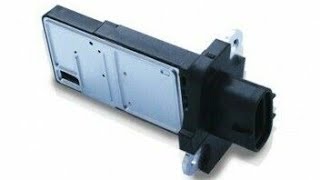
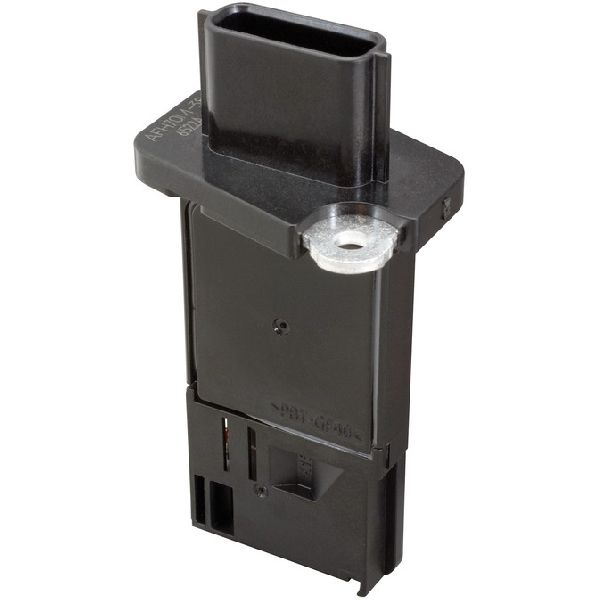
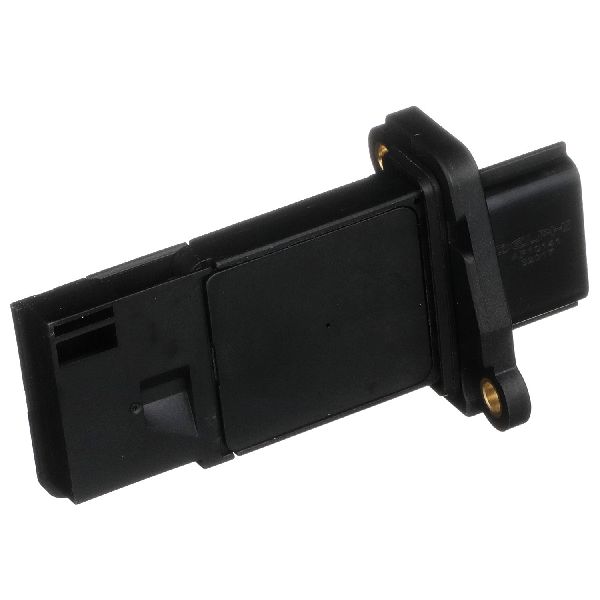
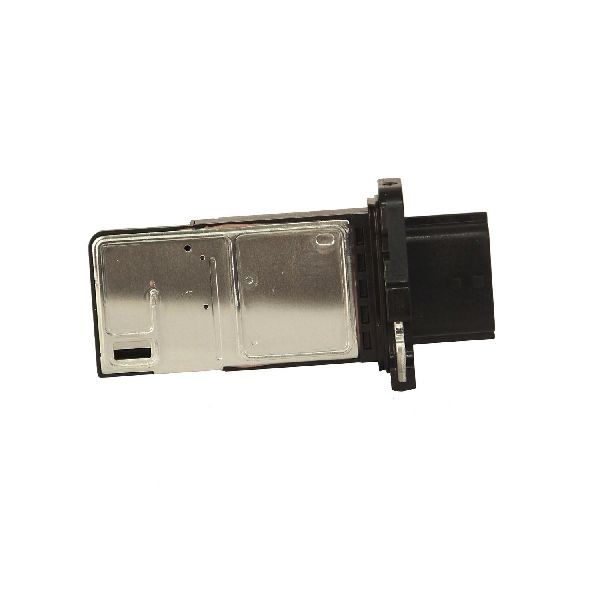
The sensor is a hot-wire type that mounts in the air intake duct with two screws and has a multi-pin electrical connector.
We Have This Part in Stock


The information in this article is provided for general reference and educational purposes only. Vehicle specifications, procedures, and part compatibility can vary by production date, trim level, and region. Always consult your vehicle's factory service manual and verify part numbers before purchasing or performing repairs. Safety-critical components such as airbags, seat belts, and braking systems should be installed by a qualified professional.
- Nissan Maxima:
- 🎬 Helpful Videos
- 🛍️ Shop This Part
- Is Your Maxima's MAF Sensor Failing?
- OEM vs. Aftermarket: A Warning for Maxima Owners
- Choosing the Right Aftermarket MAF Sensor
- Oiled Air Filters and Your MAF Sensor
- Installation: An Easy DIY Job
- Cost of Replacing a MAF Sensor on a 2004-2009 Nissan Maxima
- Frequently Asked Questions (FAQ)
- 🎟️ Get 5% Off