

Engine Crankshaft Position Sensor Guide for 2004-2009 Volkswagen Golf
Experiencing stalling or a no-start condition? Your Golf's crankshaft position sensor might be the culprit.
- A failing crankshaft sensor will cause stalling or a no-start condition; do not ignore these symptoms.
- The most common fault code is P0322, indicating no signal from the sensor.
- For VWs, it is highly recommended to use an OEM supplier brand like Bosch or Hella for this critical part.
- DIY replacement is possible in about an hour, with the main challenge being tight access near the oil filter.
Is Your Golf Stalling or Refusing to Start?

A failing crankshaft position sensor is a common issue on many vehicles, including the Mk5 Volkswagen Golf. When this small but vital sensor starts to go bad, it can leave you stranded. The symptoms often start as intermittent problems, like a sudden engine stutter or stalling, but can quickly progress to your car not starting at all. Because the sensor's signal is essential for engine operation, ignoring the signs is not recommended.
Critical Failure Warning
A completely failed crankshaft position sensor will prevent the engine from starting. If you are experiencing intermittent stalling, it is highly advisable to replace the sensor soon to avoid being stranded.
Common Symptoms of a Failing Crankshaft Sensor

- Engine Won't Start: The engine cranks but never turns over.
- Intermittent Stalling: The engine shuts off randomly while driving, often without warning.
- Check Engine Light: The malfunction indicator lamp (MIL) is illuminated, often with code P0322.
- Rough Idling and Misfires: The engine shakes or runs unevenly.
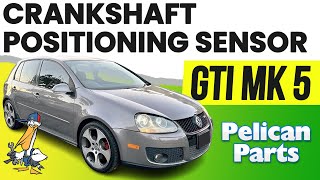
- Poor Acceleration: The car feels sluggish or hesitates 🎬 See how to replace the sensor on a GTI Mk5. when you press the gas pedal.
- Reduced Fuel Economy: You may notice you're filling up the gas tank more often.
Choosing the Right Aftermarket Sensor

When it comes to electronic parts for a Volkswagen, brand choice matters. While an OEM sensor from the dealer is an option, high-quality aftermarket parts can offer the same performance for a lower price. It is generally recommended to avoid the cheapest available options, as sensors are critical components where reliability is key.
Brand Quality Tiers for VW Golf
- OEM Supplier / Premium Aftermarket: Brands like Bosch, Hella, and Vemo are often original equipment manufacturers for Volkswagen or are known for producing parts that meet or exceed OEM standards. These are trusted choices for reliability and proper function.
- Reputable Aftermarket: Brands such as Beck Arnley, Delphi, NGK, and Standard Ignition (Intermotor) generally have a good reputation for quality and are a solid mid-tier choice.
- Value-Oriented: Brands like URO Parts, Dorman, and others can be a mixed bag. While some users have success with them, others report fitment or premature failure issues, especially with critical electronic sensors. These may be suitable for a budget repair, but be aware of the potential trade-off in longevity and quality.
Pro Tip: OEM vs. Aftermarket
For a critical sensor like the crankshaft position sensor on a VW, sticking with an OEM supplier brand like Bosch or Hella is a wise investment. The price difference is often minimal compared to the peace of mind and avoidance of potential future labor costs if a cheaper part fails early.
Cost of Replacing the Crankshaft Position Sensor
The cost can vary depending on the brand of the part and labor rates in your area. The part itself is relatively affordable.
| Item | Estimated Cost |
|---|---|
| New Aftermarket Crankshaft Position Sensor | $20 - $137 |
| Shop Labor | $100 - $200 |
| Total Estimated Cost (DIY) | $20 - $137 |
| Total Estimated Cost (Professional) | $120 - $337 |
Known Issues, Recalls, or TSBs
As of this writing, searches of the National Highway Traffic Safety Administration (NHTSA) database did not reveal any specific recalls or widespread Technical Service Bulletins (TSBs) for the engine crankshaft position sensor on the 2004-2009 Volkswagen Golf in the North American market. There was a recall for some 2004-2005 TDI models related to the high-pressure diesel fuel pump, but this is unrelated to the crankshaft position sensor. Some TSBs exist for this generation that mention crankshaft sensor fault codes (like P0016) but point to timing chain issues as the root cause, not the sensor itself.
Frequently Asked Questions (FAQ)

Where is the crankshaft position sensor located on a 2004-2009 Golf?
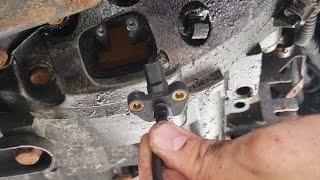
The sensor is located on the front of the engine block, near the oil filter housing and where the transmission meets the engine. It is held in by a single 5mm Allen bolt. Access can be tight, and it's typically reached from underneath the vehicle.
Can I replace this sensor myself?
Yes, this is a feasible DIY job for someone with basic mechanical skills. It involves jacking up the car safely, removing the engine splash shield, and accessing the sensor from below. The main challenge is the tight space. The job typically takes about 30 minutes to an hour.
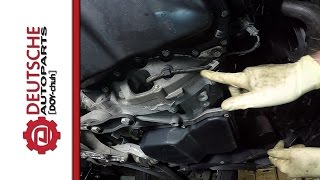
🎬 Watch this 2.5L engine crankshaft sensor replacement walkthrough.What is the most common fault code for a bad crankshaft sensor?
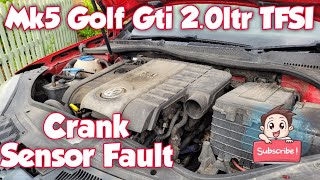
The most common diagnostic trouble code (DTC) is P0322, which indicates "Ignition/Distributor Engine Speed Input Circuit No Signal." 🎬 Watch this simple fix for P0321 and P0322 codes. This code specifically points to a loss of signal from the engine speed sensor (G28), which is the crankshaft position sensor.
Do I need to do anything after replacing the sensor?
After installing the new sensor, you should use an OBD-II scanner to clear the fault codes from the engine control module. While the light may go off on its own after several drive cycles, clearing the codes immediately is the best practice.
My mechanic quoted a high price. Is the OEM part that expensive?
Sometimes a repair shop may quote a price based on a genuine VW dealer part, which can be significantly more expensive than an aftermarket equivalent. It's reasonable to ask what brand they are using and inquire about using a high-quality aftermarket brand like Bosch or Hella to potentially lower the cost.
Helpful Videos



Technical Specifications
OEM Part Numbers: 06A906433G 06H906433
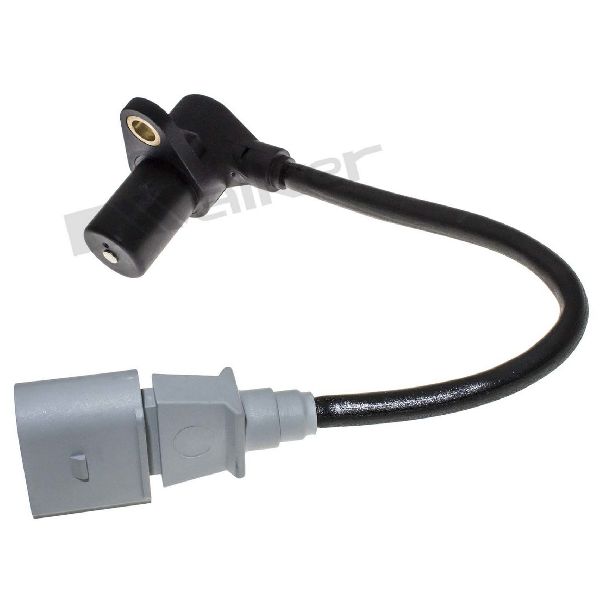
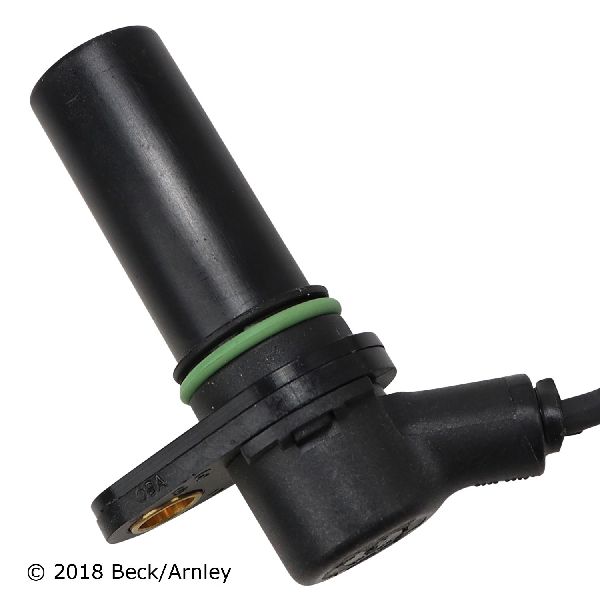
The sensor is a Hall-effect type sensor held in place by a single 5mm Allen bolt, located on the engine block near the oil filter housing.
We Have This Part in Stock


The information in this article is provided for general reference and educational purposes only. Vehicle specifications, procedures, and part compatibility can vary by production date, trim level, and region. Always consult your vehicle's factory service manual and verify part numbers before purchasing or performing repairs. Safety-critical components such as airbags, seat belts, and braking systems should be installed by a qualified professional.
- Volkswagen Golf:
- 🎬 Helpful Videos
- 🛍️ Shop This Part
- Is Your Golf Stalling or Refusing to Start?
- Critical Failure Warning
- Common Symptoms of a Failing Crankshaft Sensor
- Choosing the Right Aftermarket Sensor
- Brand Quality Tiers for VW Golf
- Pro Tip: OEM vs. Aftermarket
- Cost of Replacing the Crankshaft Position Sensor
- Known Issues, Recalls, or TSBs
- Frequently Asked Questions (FAQ)
- 🎟️ Get 5% Off