

Volkswagen Golf Oxygen Sensor Guide (2004-2009)
Everything you need to know about replacing the oxygen sensors on your Mk5 VW Golf.
- A failing oxygen sensor will trigger the Check Engine Light and cause poor fuel economy and rough running.
- For a reliable replacement, choose an OEM-quality brand like Bosch, NGK/NTK, or Denso. Bosch is often the original part.
- Always use a direct-fit sensor with the correct connector; avoid universal sensors that require splicing wires.
- The job is DIY-friendly, but sensors can be very difficult to remove due to rust. A special O2 sensor socket is required.
Is Your Golf's Oxygen Sensor Failing?

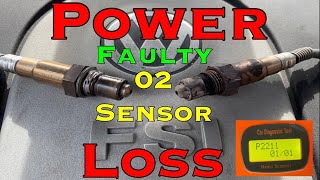
A bad oxygen sensor can cause several noticeable problems. The most common sign is the check engine light illuminating on your dashboard. You might also experience a rough idle, engine hesitation, or a general lack of power. Another key symptom is a drop in fuel economy, as the engine may run too rich (too much fuel) or too lean (not enough fuel). In some cases, you might even smell a rotten egg odor from the exhaust, which is a sign of unburned fuel entering the exhaust system. Ignoring a failing O2 sensor can lead to more expensive problems, like a damaged catalytic converter.
🎬 Watch: 7 symptoms of a bad oxygen sensor you shouldn't ignore.Common Check Engine Light Codes
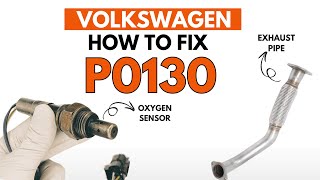
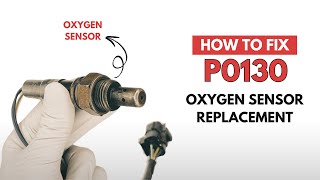
If your check engine light is on, a code scanner can help pinpoint the issue. Common codes related to oxygen sensor failure in a VW Golf include: P0130, P0133, P0135, P0141, P0171, and P0420.
🎬 See how to fix the P0130 engine code in four minutes.Choosing the Right Aftermarket Oxygen Sensor

When it comes to replacing an oxygen sensor on your 2004-2009 Golf, you have several options. It's important to understand the difference between OEM and aftermarket brands to make the best choice for your car and budget.
OEM-Quality Brands
For many Volkswagen vehicles, Bosch is the original equipment manufacturer (OEM) for oxygen sensors. This means buying a Bosch aftermarket sensor is often the same as getting the dealer part, but at a lower cost. NGK (also known as NTK for sensors) and Denso are also top-tier brands that supply parts to many automakers and are known for their high quality and reliability. Choosing one of these brands is the safest bet for a direct-fit, long-lasting replacement that performs like the original.
Reputable Aftermarket Brands
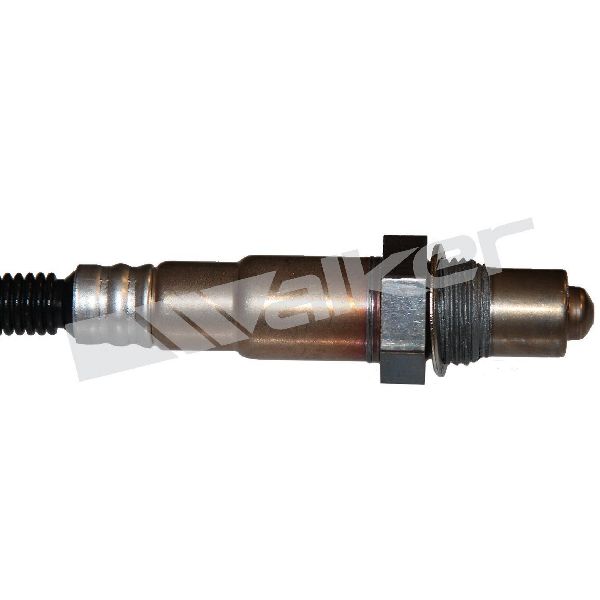
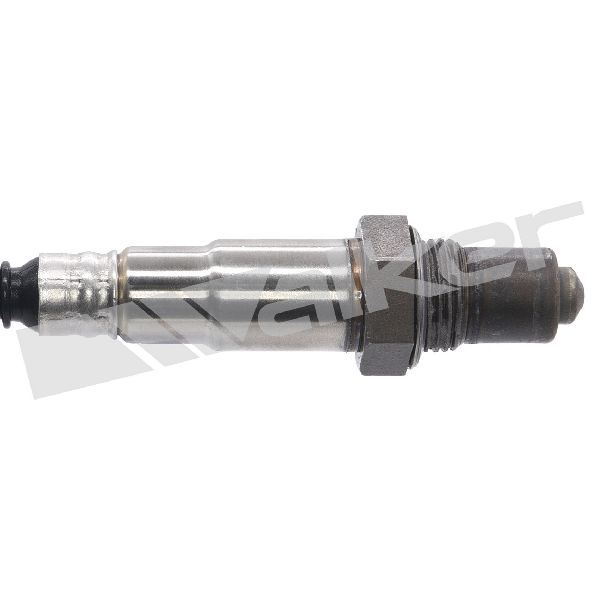
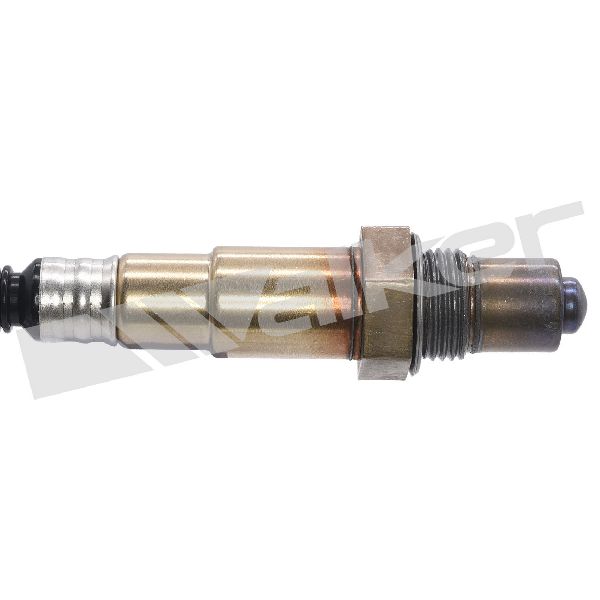
Brands like Delphi and Hella are well-known in the aftermarket for producing quality components. Walker Products is another established brand that offers OE-style replacements that generally fit and function correctly, though some forum users have questioned their long-term durability compared to OEM.
Budget-Friendly Options
Brands like DriveWire, Facet, and URO Parts are typically more budget-focused. While the lower price is appealing, owner feedback on forums is mixed. Some have used these parts without issue, while others report fitment problems or shorter lifespans, particularly with URO Parts. If you are on a tight budget, these can be an option, but be aware that you might be replacing the part again sooner than you would with a higher-quality brand.
Pro Tip: Direct-Fit vs. Universal
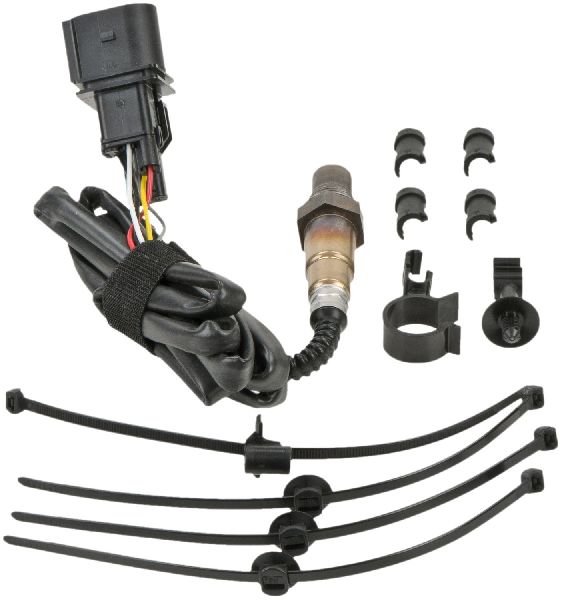
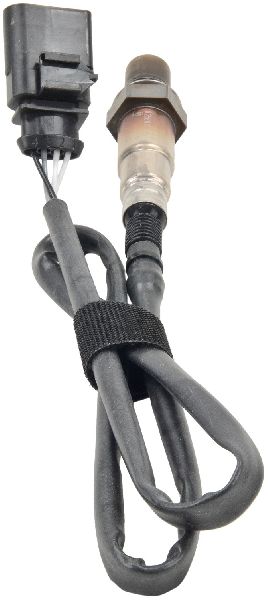
Always choose a "direct-fit" sensor for your Golf. These come with the correct wiring length and factory-style connector, making installation much easier. Universal sensors require you to cut and splice wires, which can be a point of failure if not done perfectly.
Cost of Replacing a Volkswagen Golf Oxygen Sensor

The cost can vary significantly based on the brand of the part and whether you do the work yourself. Your Golf has multiple O2 sensors, and the upstream (pre-cat) sensor is often more expensive than the downstream (post-cat) one.
| Item | Estimated Cost |
|---|---|
| New Aftermarket Oxygen Sensor | $37.90 - $213.65 |
| Shop Labor | $92 - $135 |
| Total Professional Replacement | $362 - $522 |
Frequently Asked Questions

How many oxygen sensors does my 2004-2009 Golf have?
Most gasoline-engine Mk5 Golfs have two oxygen sensors. One is located upstream of the catalytic converter (Bank 1, Sensor 1), and the other is located downstream of the catalytic converter (Bank 1, Sensor 2). The upstream sensor is crucial for air-fuel mixture control, while the downstream sensor monitors the catalytic converter's efficiency.
Can I replace just one oxygen sensor?
Yes. You only need to replace the sensor that has failed. A diagnostic scan tool can tell you which specific sensor is causing the fault code (e.g., "Bank 1, Sensor 2"). However, oxygen sensors have a limited lifespan, typically 60,000 to 100,000 miles. If one has failed due to age, the other may not be far behind.
Is there a recall for the oxygen sensor on my Golf?
A search of NHTSA records shows no specific recalls for oxygen sensors on the 2004-2009 Volkswagen Golf. There was a recall for some 2004-2005 diesel (TDI) models related to a high-pressure fuel pump, but this is unrelated to the oxygen sensors.
Is this a difficult DIY job?
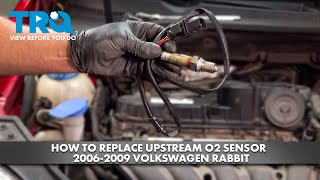
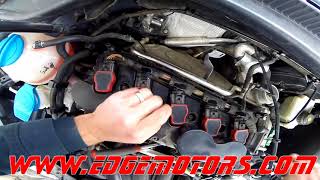
Replacing an oxygen sensor is feasible for a DIY mechanic with the right tools. The main challenge is that the sensors are often seized in the exhaust pipe due to rust and heat cycles. You will need a special oxygen sensor socket (a 22mm or 7/8" socket with a slot for the wire) and potentially a lot of penetrating oil and leverage to remove the old one. Access to the upstream sensor can be tight.
🎬 Watch this DIY guide for replacing the front oxygen sensor.Helpful Videos
![Bad O2 Sensor Symptoms Downstream & Upstream [Oxygen Sensor Failure and Causes] How to fix & Replace](https://img.youtube.com/vi/b-xxdBlikSA/mqdefault.jpg)
![How to change lambda sensor on VW GOLF 5 [TUTORIAL AUTODOC]](https://img.youtube.com/vi/WzcH7ynBEOs/mqdefault.jpg)
![How to Fix VOLKSWAGEN P0130 Engine Code in 4 Minutes [3 DIY Methods / Only $9.49]](https://img.youtube.com/vi/En3ZyNDQX84/mqdefault.jpg)
Technical Specifications
Your Golf will have at least one upstream (pre-catalytic converter) and one downstream (post-catalytic converter) sensor. These are not interchangeable. The upstream sensor is a wideband air-fuel ratio sensor, while the downstream is a traditional zirconia sensor. Most use a 4-wire or 6-wire connector. Always verify the correct part for your specific engine (e.g., 2.5L or 2.0T) before purchasing.
We Have This Part in Stock


The information in this article is provided for general reference and educational purposes only. Vehicle specifications, procedures, and part compatibility can vary by production date, trim level, and region. Always consult your vehicle's factory service manual and verify part numbers before purchasing or performing repairs. Safety-critical components such as airbags, seat belts, and braking systems should be installed by a qualified professional.
- Volkswagen Golf:
- 🎬 Helpful Videos
- 🛍️ Shop This Part
- Is Your Golf's Oxygen Sensor Failing?
- Common Check Engine Light Codes
- Choosing the Right Aftermarket Oxygen Sensor
- OEM-Quality Brands
- Reputable Aftermarket Brands
- Budget-Friendly Options
- Pro Tip: Direct-Fit vs. Universal
- Cost of Replacing a Volkswagen Golf Oxygen Sensor
- Frequently Asked Questions
- 🎟️ Get 5% Off