

A Guide to Aftermarket Disc Brake Pads for the 2004-2009 Workhorse W24
Learn about the unique brake system on your W24 chassis and how to choose the right pads for the job.
- Your 2004-2009 W24 chassis was NOT part of the major Workhorse brake caliper recall; it uses a different, more robust Meritor brake system.
- For a heavy vehicle like an RV, choose high-quality semi-metallic pads from a heavy-duty line like Wagner Severe Duty for the best stopping power and heat management.
- Periodically inspect aging rubber brake lines, as an internal collapse can cause brake drag that will quickly destroy new pads and rotors.
- DIY replacement is challenging due to the extreme weight of the wheels and brake components; using a professional shop with heavy-duty equipment is often the safer choice.
Your W24 Brakes vs. The Big Recall
First, let's clear up a common point of confusion. You may have heard about a major brake recall affecting Workhorse chassis. That recall involved sticking Bosch brake calipers on the W20, W21, and W22 chassis models. Your 2004-2009 Workhorse W24 was NOT part of this recall. The W24 uses a different, more robust braking system with 70mm Meritor Quadraulic 4-piston calipers, which were not subject to the issues that plagued the Bosch systems.
Symptoms of Worn Brake Pads
Even with a heavy-duty system, brake pads are wear items and will need to be replaced. Watch out for these signs:
- Squealing or Grinding Noises: A high-pitched squeal is often the first sign from the wear indicators. A deeper grinding noise means the pads are completely worn, and you are causing damage to the brake rotors.
- Longer Stopping Distances: If you notice the vehicle taking longer to stop than it used to, your pads may be worn out or experiencing brake fade.
- Spongy or Soft Brake Pedal: While this can indicate other issues like air in the brake lines, it can also be a symptom of severely worn pads.
- Brake Drag or Burning Smell: While the W24 didn't have the caliper recall, other issues like a collapsed rubber brake hose can cause a caliper to drag. This will rapidly wear out pads and can produce a distinct burning smell.
Choosing the Right Aftermarket Pads for a Heavy Vehicle
For a heavy chassis like the W24, not all brake pads are created equal. The choice of friction material is important.
- Semi-Metallic Pads: These are often the best choice for heavy-duty applications. They are made from a mix of metals and other compounds, offering excellent heat dissipation and strong stopping power. The downside can be more noise and brake dust compared to ceramic pads. Brands often have a "Severe Duty" line, which is typically a semi-metallic compound.
- Ceramic Pads: These pads are known for being quiet, producing less dust, and having a long life. While modern ceramic pads are very capable, some formulations may not handle the extreme heat generated by a fully-loaded W24 on a long descent as well as a good semi-metallic pad. However, high-quality ceramic pads designed for trucks, like Powerstop's Z36, are a viable option.
Aftermarket Brand Quality
Several brands offer pads for your W24. Here’s a general breakdown:
- Performance Friction: Generally considered a premium, high-performance brand that excels in demanding situations.
- Wagner Brakes: A well-respected brand with a long history. Their Wagner SD (Severe Duty) line is specifically engineered for the high-heat and heavy-load demands of vehicles like the W24 and is an excellent choice.
- Centric Parts: A major aftermarket supplier with different product tiers. Their Fleet Performance pads are designed for service vehicles and would be suitable. Their Posi-Quiet line is a popular mid-grade option known for quiet operation.
| Category | Price Range |
|---|---|
| Economy Aftermarket Pads | $50 - $85 |
| Mid-Grade/Standard Aftermarket Pads (e.g., Centric Posi-Quiet, Wagner OEX) | $85 - $150 |
| Premium/Severe-Duty Aftermarket Pads (e.g., Wagner SD, Performance Friction) | $150 - $235+ |
Note: Prices are for a set of pads for one axle (front or rear) and do not include labor. Prices can vary based on the retailer and specific friction material.
Frequently Asked Questions (FAQ)
Can I do this brake job myself?
While the steps are similar to a car, the scale is vastly different. The wheels, tires, and brake calipers on a W24 are extremely heavy. A DIY replacement requires heavy-duty jack stands, a powerful impact wrench (often 1-inch drive), and a high-torque torque wrench for reinstallation. For safety reasons, this job is often best left to a shop with experience in heavy trucks or RVs unless you have the proper equipment and expertise.
Should I replace my rotors at the same time?
It is always best to inspect your rotors when changing pads. Check for deep grooves, signs of overheating (blue or purple discoloration), and cracks. One owner noted their W24 rotors developed cracks at around 60,000 miles. If the rotors are damaged or worn below the minimum thickness stamped on the rotor itself, they must be replaced. Putting new pads on bad rotors will reduce performance and wear out the new pads quickly.
What is the most important thing to know about W24 brakes?
The most important thing is that your chassis has the Meritor brake system, not the recalled Bosch system from the W22. This means you should focus on regular wear and tear items like pads, rotors, and aging rubber brake lines rather than worrying about the specific caliper piston issue that affected other Workhorse models.
What's the difference between front and rear pads?
On many chassis, the front and rear pads are different part numbers. Always confirm you are buying the correct pads for the axle you are servicing. Some online retailers sell kits for a full front and rear brake job. Ensure the parts you order are specified for the W24 chassis, as parts for the W22 may be listed incorrectly by some sellers.
Technical Specifications
The 2004-2009 Workhorse W24 chassis is equipped with a hydraulic disc brake system on all four wheels, featuring Meritor Quadraulic 4-piston calipers.
We Have This Part in Stock
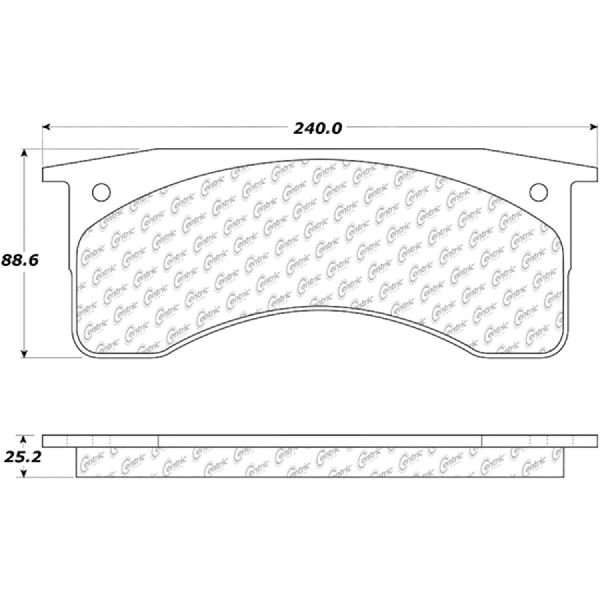

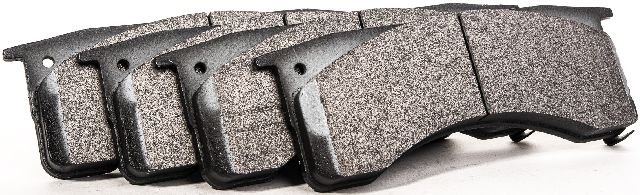

The information in this article is provided for general reference and educational purposes only. Vehicle specifications, procedures, and part compatibility can vary by production date, trim level, and region. Always consult your vehicle's factory service manual and verify part numbers before purchasing or performing repairs. Safety-critical components such as airbags, seat belts, and braking systems should be installed by a qualified professional.
- Workhorse W24: