

A Comprehensive Guide to the Accessory Drive Belt for the 2004-2010 Audi A4
Everything you need to know before replacing the serpentine belt on your B6 or B7 Audi A4.
- Do not drive if the belt breaks; you will lose power steering and battery charging, risking an accident or getting stranded.
- For a long-lasting repair, replace the belt tensioner and idler pulleys at the same time as the belt, preferably with a complete kit.
- Choose high-quality aftermarket brands like Continental or Gates, which are known OEM suppliers or have a strong reputation for European vehicles.
- Inspect the belt at every oil change after 40,000 miles and replace it at the first sign of wear, noise, or cracking.
Is Your Audi A4's Accessory Belt Failing?
A failing accessory belt gives clear warning signs. Because a complete failure will leave you stranded, it's important to address these symptoms immediately. Look for these common indicators on your 2004-2010 A4.
- Squealing or Chirping Noises: This is the most frequent sign. A high-pitched squeal, especially when you start the engine, accelerate, or turn the steering wheel sharply, means the belt is likely worn and slipping.
- Visible Wear and Tear: Open the hood and look at the belt. If you see cracks, frayed edges, missing chunks of the ribbed section, or a shiny, glazed surface, it's time for a replacement.
- Accessory Failures: If your power steering feels heavy, the A/C stops blowing cold air, or the battery warning light comes on, the belt may not be turning those components properly.
- Grinding or Buzzing Noises: A grinding or buzzing sound that changes with engine speed often points to a failing belt tensioner or idler pulley, not just the belt itself.
Pro Tip: Replace the Tensioner and Pulleys with the Belt
The accessory belt system includes a spring-loaded tensioner and one or more idler pulleys that guide the belt. These parts have bearings that wear out over time. A weak tensioner can cause a brand-new belt to slip and fail quickly. For a complete and lasting repair, it is highly recommended to replace the belt, tensioner, and idler pulleys together as a kit.
Choosing the Right Aftermarket Belt for Your A4
You don't need to pay dealership prices for a quality accessory belt. Several aftermarket brands offer excellent quality, and some are even the original equipment manufacturer (OEM) for Audi.
For a European vehicle like the Audi A4, brands that are known OEM suppliers are an excellent choice. Aftermarket brands with a strong reputation for quality are also reliable options.
- Top Tier (OEM Supplier Quality): Gates and Continental are highly regarded brands for European cars. Continental is a known OEM supplier for Audi, meaning the belt you get from them is often identical to the one from the dealer, just in a different box. Gates is a top-tier aftermarket manufacturer with a long-standing reputation for reliability.
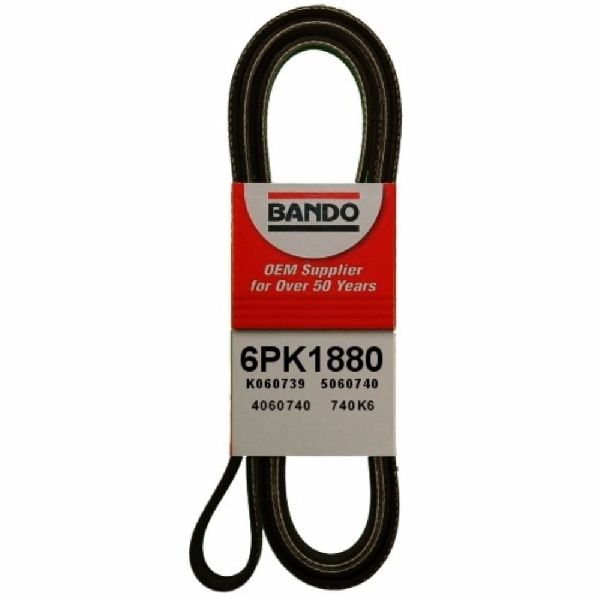
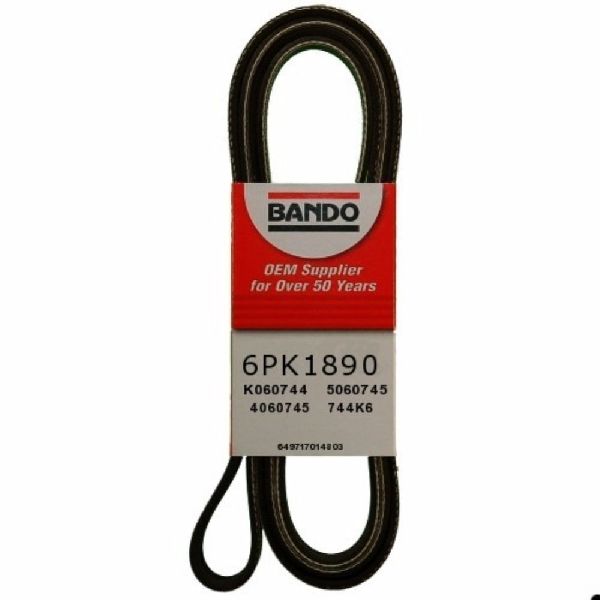
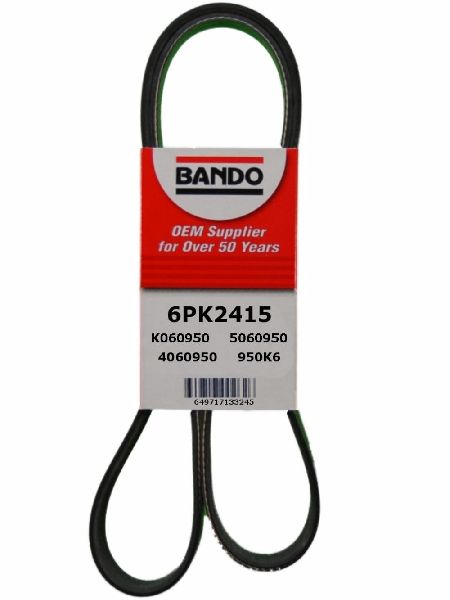
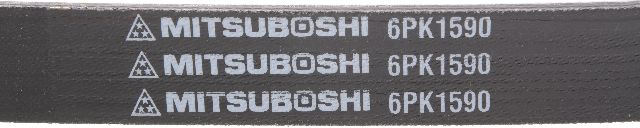
- Excellent Quality: Bando and Mitsuboshi are major OEM suppliers for many Japanese automakers and are known for producing high-quality, durable belts. They are a solid choice for any vehicle.
- Standard Aftermarket: ACDelco is a well-known brand that offers reliable parts for a wide range of vehicles and is a dependable option.
Known Issues, Recalls, or TSBs
Searches of the National Highway Traffic Safety Administration (NHTSA) database and other public records did not show any specific recalls or technical service bulletins (TSBs) for the accessory drive belt on the 2004-2010 Audi A4. Failures are typically due to normal wear and tear over time and mileage.
Estimated Replacement Costs
The cost to replace your accessory drive belt can vary based on whether you do the work yourself or use a professional shop, and if you replace only the belt or the full kit.
| Part/Service | Estimated Cost |
|---|---|
| New Aftermarket Belt Only | $32.76 - $66.54 |
| New Aftermarket Belt Kit (with tensioner/pulleys) | $85 - $140 |
| New OEM Belt Only | $70 - $110 |
| Shop Labor | $150 - $300 |
Cost estimates are for reference only and may vary based on location, vehicle engine (2.0T vs 3.2L), and chosen parts.
Frequently Asked Questions (FAQ)
How often should I replace the accessory belt on my Audi A4?
There is no exact replacement interval from Audi, but belts typically last between 60,000 and 100,000 miles. It is best practice to start visually inspecting the belt for wear at every oil change after 40,000 miles and replace it at the first sign of cracking, fraying, or noise.
Is replacing the accessory belt a DIY job?
For a mechanically experienced person, yes. The main challenge is the very tight working space in the engine bay. The job requires a long wrench (typically 17mm or 18mm) to release the tensioner. Some procedures require putting the front of the car into a "service position" to create more room, which significantly increases the complexity.
What's the difference between an accessory belt and a timing belt?
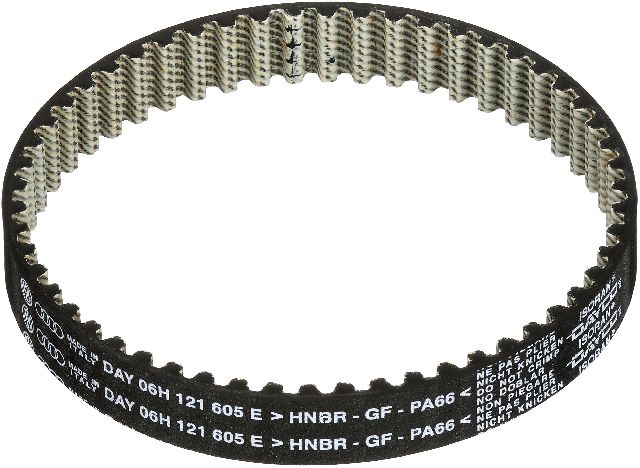
The accessory belt (serpentine belt) is visible on the front of the engine and runs external components like the alternator and power steering. The timing belt is located behind protective covers and is critical for synchronizing the engine's internal components. On the 2.0T engine in the B7 A4, the timing belt also drives the water pump. Timing belt failure will cause catastrophic engine damage, while a broken accessory belt will disable the car but not destroy the engine if you stop driving immediately.
Do I need a special tool to replace the belt?
While a dedicated serpentine belt tool (a long, thin bar with sockets) makes the job easier, it can often be done with a standard long-handled 17mm or 18mm wrench to move the tensioner. You will also need basic tools to remove any engine covers.
Technical Specifications
OEM Part Numbers: 06D903137E 06H903137C
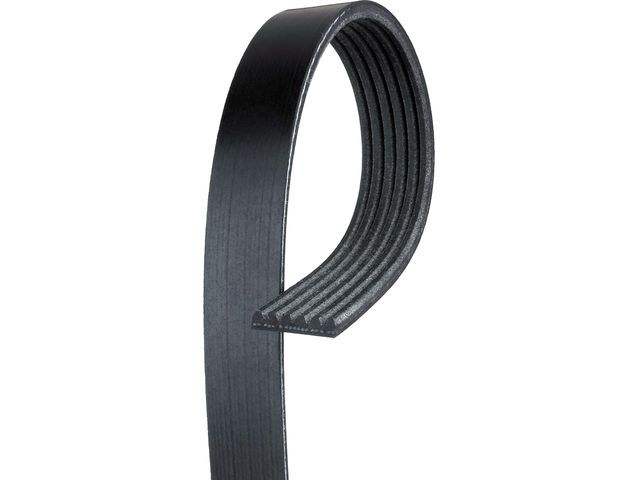
V-Ribbed Serpentine Belt. The exact length and number of ribs (e.g., 6PK1570) depend on the specific engine (2.0T or 3.2L) and model year. Always verify the correct part number for your vehicle's VIN.
We Have This Part in Stock

The information in this article is provided for general reference and educational purposes only. Vehicle specifications, procedures, and part compatibility can vary by production date, trim level, and region. Always consult your vehicle's factory service manual and verify part numbers before purchasing or performing repairs. Safety-critical components such as airbags, seat belts, and braking systems should be installed by a qualified professional.
- Audi A4: