

Chevrolet Impala Catalytic Converter Guide for 2004-2010 Models
Everything you need to know before replacing the catalytic converter on your 2004-2010 Chevrolet Impala.
- Always diagnose the root cause of failure before replacing the converter; a new one will fail if the engine has problems like oil leaks or misfires.
- For 2004 models with the 3.8L V6, check if the oil leak safety recall (GM 14574) has been performed, as this is a known cause of converter failure.
- Choose a 'Direct-Fit' part for easier installation; trusted brands like Walker or Magnaflow are a safer bet for long-term reliability than budget options.
- You must buy a converter that is legal for your state (Federal EPA or stricter CARB standards).
Is Your Impala's Catalytic Converter Failing?
A bad catalytic converter can cause serious problems. The most common sign is a Check Engine Light, usually with code P0420. This code means the converter is no longer working efficiently. You might also notice your car feels sluggish, gets worse gas mileage, or has a rotten egg smell coming from the exhaust. In some cases, you may hear a rattling noise from under the car, which means the inside of the converter has broken apart.
Don't Ignore the Signs
Driving with a completely clogged converter can cause too much pressure in the exhaust. This can lead to stalling and, in severe cases, expensive engine damage. It's best to get it checked out soon.
Known Issues for 2004-2010 Chevrolet Impala
Catalytic converters usually fail because of another problem. Just replacing the converter without finding the root cause will mean the new one will fail too.
- Oil Leaks (2004 3.8L V6): A major safety recall (GM recall 14574, NHTSA 15V201) was issued for 2004 Impalas with the 3.8L V6 engine. A valve cover gasket could leak oil onto the hot exhaust, which can destroy the catalytic converter and create a fire risk. If you have this engine, make sure this recall repair was done.
- Engine Issues: Problems like bad spark plugs, leaky fuel injectors, or burning oil can send unburned fuel or oil into the exhaust. This will quickly ruin a new catalytic converter. Always fix these issues first.
Choosing the Right Aftermarket Converter
When shopping for a new aftermarket converter, you get what you pay for. They are much cheaper than OEM parts from the dealer, but quality can vary.
Economy Brands (AP Exhaust, Davico, Eastern Catalytic)
These are the most affordable options. They are designed to get you back on the road for the lowest cost. However, they use less of the precious metals that clean the exhaust. This means they might not last as long or could struggle to keep the check engine light off, especially in states with strict emissions. Some owners report that the fit isn't always perfect and may require extra work during installation. These can be a good choice for an older, high-mileage car if your main goal is to save money.
Standard & Performance Brands (Walker, Magnaflow)
Brands like Walker and Magnaflow are trusted by many mechanics for aftermarket replacements. They cost more than economy brands but are known for better quality and durability. They are more likely to provide a good fit and perform correctly for a longer time. Magnaflow is often seen as a higher-quality or performance-oriented option. If you plan on keeping your Impala for a few more years, spending a little more on one of these brands is a good investment.
Direct-Fit vs. Universal
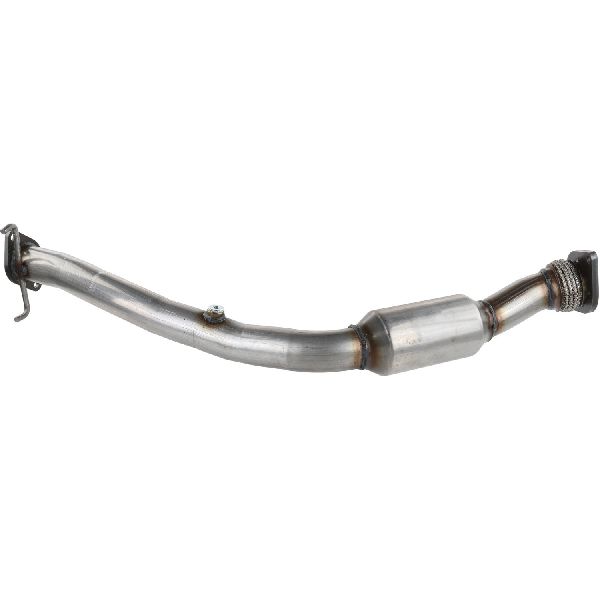
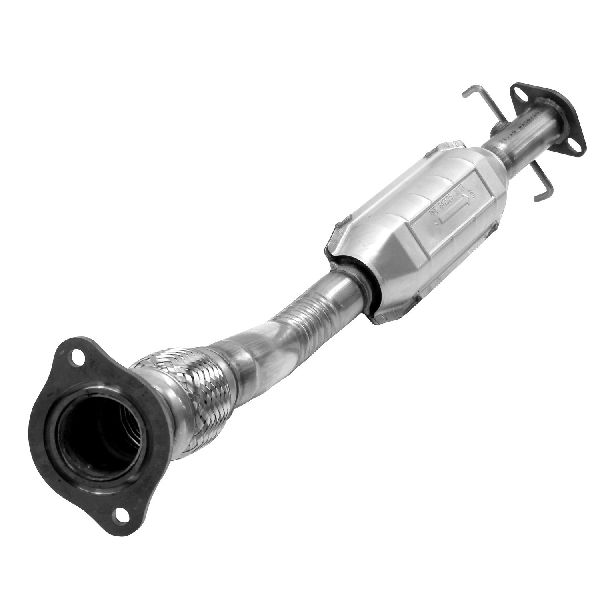
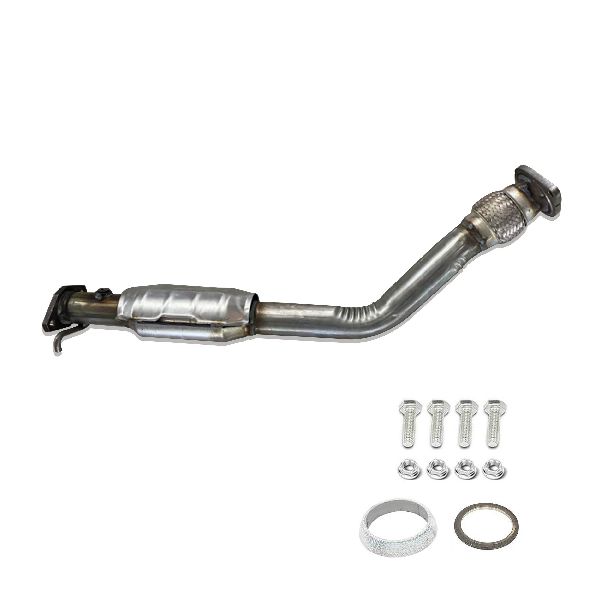
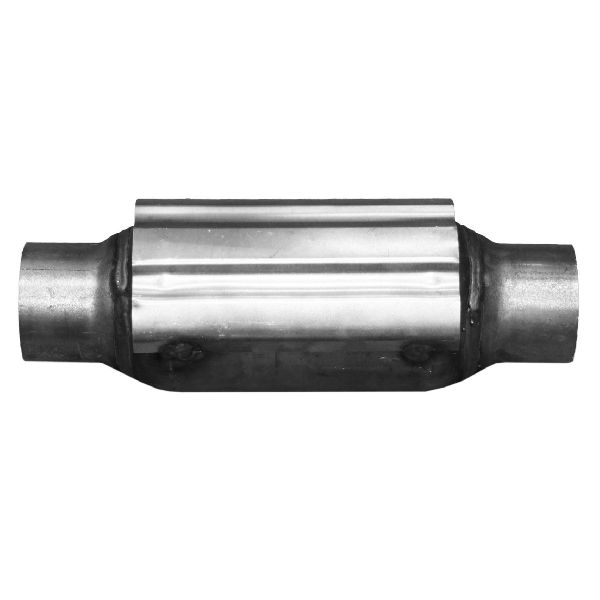
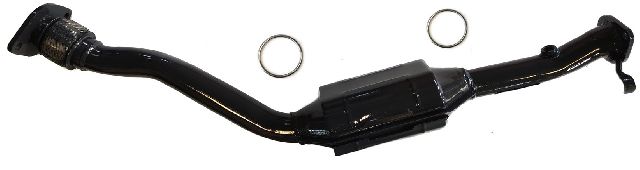
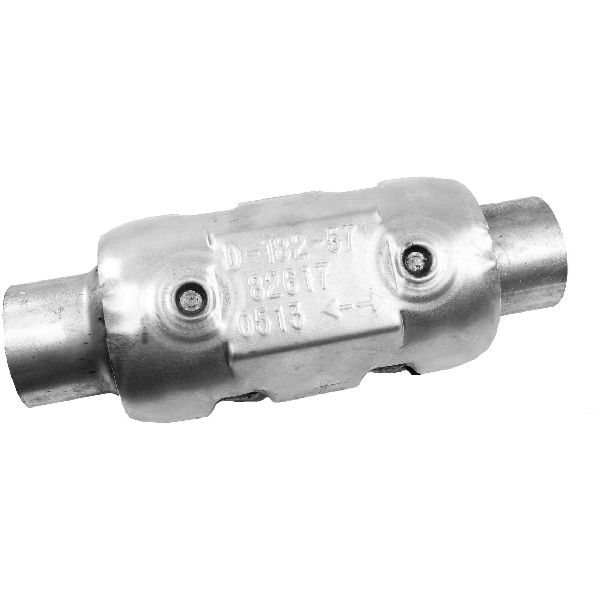
Always choose a "Direct-Fit" converter for your Impala. These are designed to bolt on without cutting or welding. "Universal" converters are cheaper but require professional modification to install, which can add to labor costs and create potential leak points.
Cost to Replace Your Impala's Catalytic Converter
Here is a general idea of what you can expect to pay. Prices vary based on your engine, location, and the specific part you choose.
| Part Type | Estimated Part Cost |
|---|---|
| New Aftermarket (Federal/EPA) | $140 - $750 |
| New Aftermarket (CARB-Compliant) | $500 - $1,400 |
| New OEM (Dealer) | $1,300 - $2,500 |
| Shop Labor | $150 - $400 |
Frequently Asked Questions
Why did my catalytic converter fail?
Converters don't usually die on their own; they are "murdered" by another problem. The most common causes are engine issues that send unburned fuel or oil into the exhaust, which overheats or contaminates the converter. Physical damage from road debris can also cause failure.
Do I need a CARB-compliant converter?
It depends on where you live. If your vehicle is registered in California, New York, Colorado, Maine, or certain other areas, you legally must use a CARB-compliant converter. These are more expensive because they are built to a higher standard. Federal (EPA) converters are for all other states. Check your local laws before buying.
Will a cheap converter turn my check engine light off?
Maybe, but maybe not for long. Economy converters have the minimum amount of catalyst material required. While they might work initially, they can lose effectiveness quickly, causing the P0420 code to return. If you want a long-term fix, a higher-quality aftermarket part is a better choice.
Should I replace my oxygen sensors with the converter?
It's a good idea, especially if they are old. The oxygen sensors monitor the converter's performance. Old, slow sensors can sometimes cause a false P0420 code or may not work well with a new converter. Replacing them at the same time can prevent future problems.
Technical Specifications
OEM Part Numbers: 22839597
Configuration varies by engine and year. Many 2006-2010 models feature a manifold converter design (integrated with the exhaust manifold). Earlier models and some V8s may use an under-car converter. Always verify the specific design for your vehicle's engine before ordering.
We Have This Part in Stock

The information in this article is provided for general reference and educational purposes only. Vehicle specifications, procedures, and part compatibility can vary by production date, trim level, and region. Always consult your vehicle's factory service manual and verify part numbers before purchasing or performing repairs. Safety-critical components such as airbags, seat belts, and braking systems should be installed by a qualified professional.
- Chevrolet Impala:
- 🛍️ Shop This Part
- Is Your Impala's Catalytic Converter Failing?
- Don't Ignore the Signs
- Known Issues for 2004-2010 Chevrolet Impala
- Choosing the Right Aftermarket Converter
- Economy Brands (AP Exhaust, Davico, Eastern Catalytic)
- Standard & Performance Brands (Walker, Magnaflow)
- Direct-Fit vs. Universal
- Cost to Replace Your Impala's Catalytic Converter
- Frequently Asked Questions
- 🎟️ Get 5% Off