

A/C Expansion Valve Guide for the 2004-2010 Dodge Durango
If your Durango's A/C is blowing warm or only works in the front or back, the expansion valve is a likely suspect.
- A bad expansion valve is a very common failure on 2004-2010 Durangos.
- If you have rear A/C, you have two valves; check if the problem is isolated to the front or rear.
- Replacement is not a simple DIY job because the A/C system must be professionally evacuated and recharged.
- Always replace the receiver/drier anytime the A/C system is opened for repair.
Is Your Durango's A/C Acting Up?
A failing A/C expansion valve is a common problem for the 2004-2010 Dodge Durango. Because this part controls refrigerant flow, a malfunction can cause a range of frustrating symptoms. Understanding these signs can help you pinpoint the problem before spending money on the wrong repairs.
Symptoms of a Bad A/C Expansion Valve
- Warm Air From Vents: The most obvious sign is when your A/C system blows air that isn't cold. This can happen if the valve is stuck closed, starving the evaporator of refrigerant, or stuck open, flooding it.
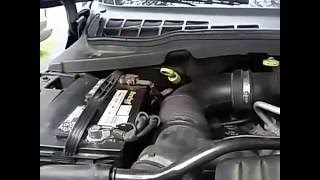
- Front A/C Works, Rear Doesn't (or Vice Versa): This is a classic symptom for Durangos with dual climate zones. Since there are two separate expansion valves, one can fail while the other still works perfectly. 🎬 Watch: Troubleshooting a Durango with cold rear air but warm front air.
- Frost on Vents or A/C Lines: If the valve is stuck open, it can allow too much refrigerant into the evaporator, causing it to get too cold and freeze over. You might see frost coming from the vents or building up on A/C components under the hood.
- Inconsistent Air Temperature: The air from your vents might switch between cold and cool or warm for no reason. This suggests the valve is struggling to regulate the refrigerant flow correctly.
- Hissing Noise from the Dash: A hissing sound from the dashboard area could be a sign of a malfunctioning valve affecting refrigerant flow.
A Very Common Point of Failure
Mechanics and owners report that the A/C expansion valve is a frequent issue on this generation of Durango. While Dodge issued service bulletins for this problem, it's often confused with failing blend door actuators, which also cause temperature problems. A key difference is that a bad expansion valve often affects cooling performance (warm air), while a bad blend door affects temperature control (stuck on hot or cold).
Choosing the Right Aftermarket Expansion Valve
When replacing the expansion valve, you have a choice between OEM (Mopar) and aftermarket parts. For this specific component on the Durango, an aftermarket part is a very reasonable choice.
- OEM Mopar: OEM parts guarantee a perfect fit, but the original valves are known to fail. They can also be more expensive than aftermarket options.
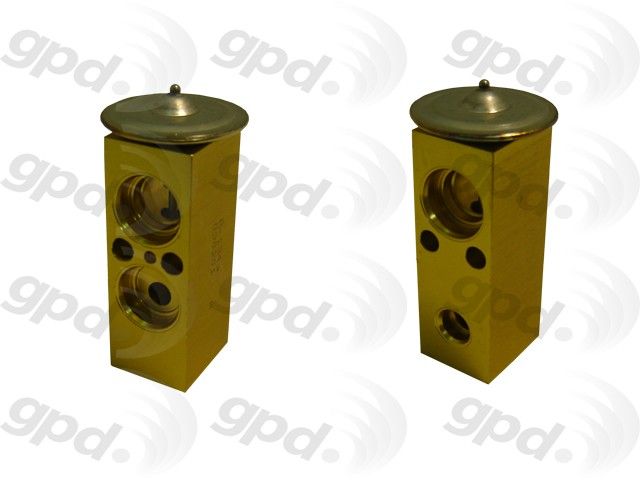
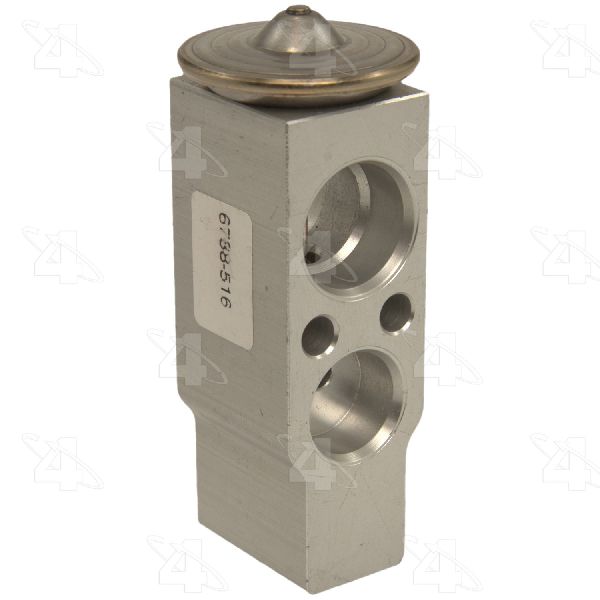
- Aftermarket (Four Seasons, Global Parts): Brands like Four Seasons are well-known in the A/C parts industry and offer a cost-effective alternative. They are engineered to meet or exceed original specifications. Given the high failure rate of the stock part, a quality aftermarket valve is a smart repair that doesn't compromise on performance.
Always Replace the Receiver/Drier
Whenever the A/C system is opened for a repair like this, you MUST replace the receiver/drier (also called an accumulator). This part removes moisture from the refrigerant. A new, dry one is essential for the health of your A/C system and is required to validate the warranty on a new compressor.
Typical Replacement Costs for a 2004-2010 Dodge Durango
The cost can vary depending on whether you're replacing the front or rear valve and who does the work. The rear valve is often more labor-intensive to access.
| Part/Service | Estimated Cost |
|---|---|
| New Aftermarket Expansion Valve | $15 - $110 |
| New OEM (Mopar) Expansion Valve | $50 - $150 |
| Shop Labor (including system evacuation & recharge) | $225 - $450 |
| Total Professional Replacement | $275 - $600 |
Frequently Asked Questions
Does my Durango have one or two expansion valves?
If your Dodge Durango has controls for rear air conditioning, it has two expansion valves. One is for the front system, located on the firewall in the engine bay, and the second is for the rear system, located behind the interior trim in the rear passenger-side cargo area.
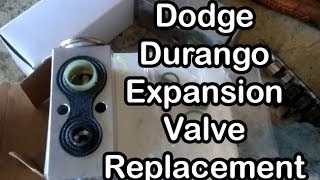
🎬 See this walkthrough on how to replace the rear expansion valve.Can I replace the expansion valve myself?
Physically changing the part is possible for an experienced DIYer, but it requires special tools. The A/C system must be legally and safely evacuated of all refrigerant before opening the lines and recharged afterward. The front valve requires removing the battery for access, while the rear involves taking apart interior panels. For most owners, this job is best left to a professional shop with the proper A/C service equipment.
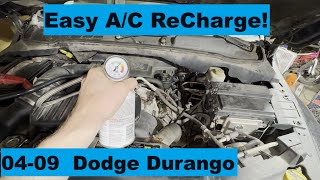
🎬 Watch: How to properly recharge the A/C system on your Durango.Do I need to do an A/C flush?
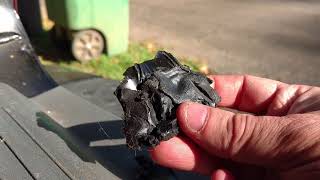
If your A/C compressor failed and sent debris through the system, a full system flush is necessary to avoid damaging the new parts. However, if the expansion valve simply failed on its own, a flush is not typically required. You cannot flush through an expansion valve, so it must be removed first.
What's the difference between a block valve and a standard valve?
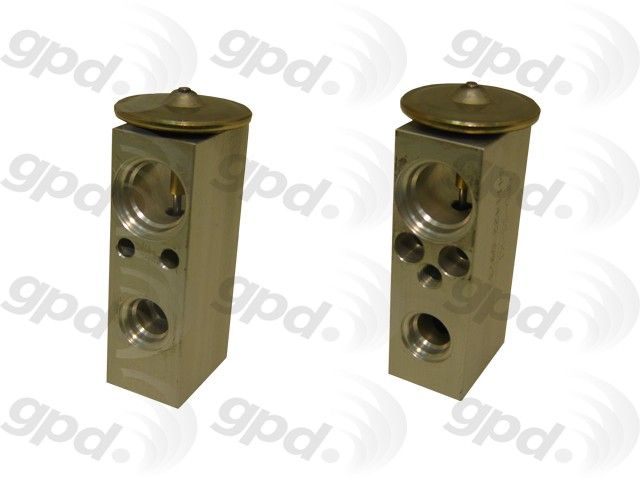
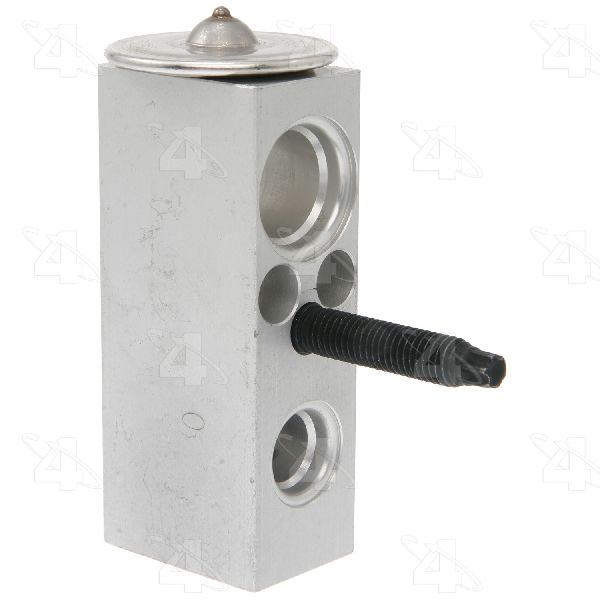
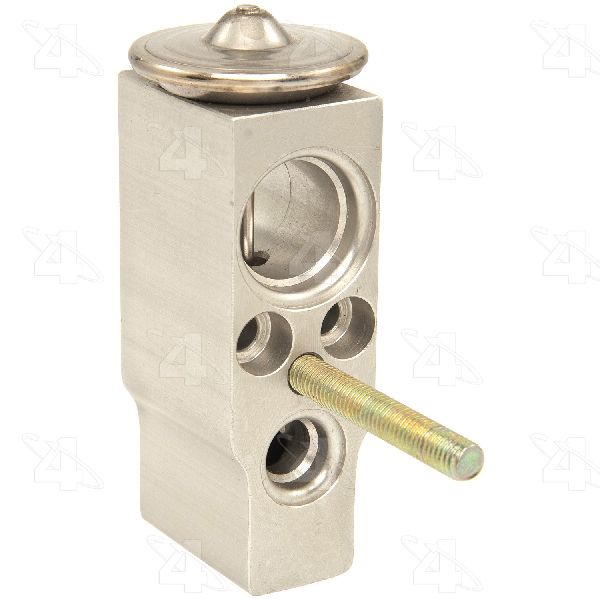
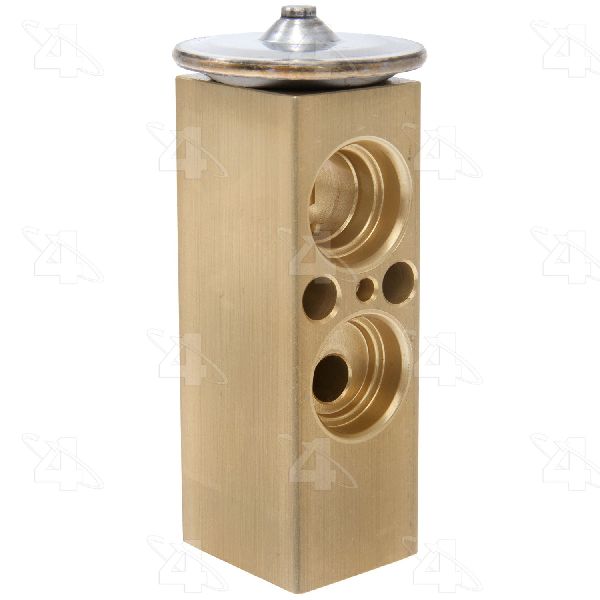
Both perform the same function. A block-style valve is a compact unit where the inlet and outlet ports are integrated into a single block that bolts directly to the evaporator. This is common in modern vehicles, including the Durango. Older styles might have threaded fittings. The replacement part must match the style already in your vehicle.
Helpful Videos
Technical Specifications
OEM Part Numbers: 5139351AA 5170723AA 68021929AA
Vehicle will have either one (front only) or two (front and rear) block-style expansion valves. The system uses R-134a refrigerant.
We Have This Part in Stock

The information in this article is provided for general reference and educational purposes only. Vehicle specifications, procedures, and part compatibility can vary by production date, trim level, and region. Always consult your vehicle's factory service manual and verify part numbers before purchasing or performing repairs. Safety-critical components such as airbags, seat belts, and braking systems should be installed by a qualified professional.
- Dodge Durango:
- 🎬 Helpful Videos
- 🛍️ Shop This Part
- Is Your Durango's A/C Acting Up?
- Symptoms of a Bad A/C Expansion Valve
- A Very Common Point of Failure
- Choosing the Right Aftermarket Expansion Valve
- Always Replace the Receiver/Drier
- Typical Replacement Costs for a 2004-2010 Dodge Durango
- Frequently Asked Questions
- 🎟️ Get 5% Off