

A Home Mechanic's Guide to 2004-2010 Dodge Durango Brake Calipers
Keep your heavy-duty Durango stopping safely by understanding when and how to replace your brake calipers.
- Sticking or seizing is the most common failure for Durango calipers, often caused by corrosion.
- Always replace calipers in pairs (both front or both rear) to maintain balanced braking.
- Consider upgrading to powder-coated calipers (like Powerstop) for better corrosion resistance on this heavy SUV.
- Inspect the flexible brake hoses; a collapsed hose can mimic the symptoms of a bad caliper and should be replaced as a precaution.
Is It Time for a New Caliper?
On a heavy vehicle like the Durango, brake calipers work hard and are exposed to intense heat, moisture, and road grime. Over time, this leads to wear and tear. The most common problem is a seized or sticking caliper, which can be caused by corroded slide pins or a stuck piston. This failure prevents the brake pads from releasing from the rotor, causing constant drag on one wheel.
Key Failure Point: Sticking Calipers
The most frequent issue for this generation of Durango is a caliper that fails to release. This can be caused by corrosion from road salt and moisture, or by old brake fluid that has absorbed water and started to rust the caliper piston from the inside out. Symptoms include the vehicle pulling to one side, a strong burning smell, or visible smoke from a wheel after driving.
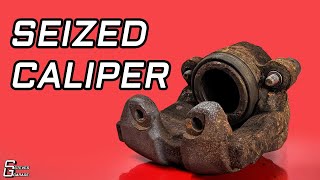
🎬 Watch: How to diagnose a seized brake caliperChoosing the Right Aftermarket Caliper
You don't need to buy expensive OEM (Original Equipment Manufacturer) parts for a quality repair. The aftermarket offers excellent options that meet or exceed factory specifications. When shopping, you will see options for "loaded" and "unloaded" calipers. A loaded caliper comes with new brake pads and hardware, while an unloaded caliper is just the caliper itself. If your pads are also due for replacement, a loaded caliper can be a convenient and cost-effective choice.
Brand Quality Tiers for Your Durango
- Performance Upgrade (Better): Brands like Powerstop are a popular choice for Durango owners looking for an upgrade. Their calipers are typically powder-coated for superior corrosion resistance and are often sold in kits with high-quality pads and rotors. This is a smart investment for a heavy vehicle, especially if you tow.
- OE-Quality Replacement (Good): Brands such as Centric and Raybestos are well-respected for providing reliable, durable parts that function like the original factory components. They are an excellent choice for daily driving and offer a great balance of quality and price. Dynamic Friction also offers quality OE-style replacement calipers that are 100% pressure tested and feature corrosion-resistant coatings.
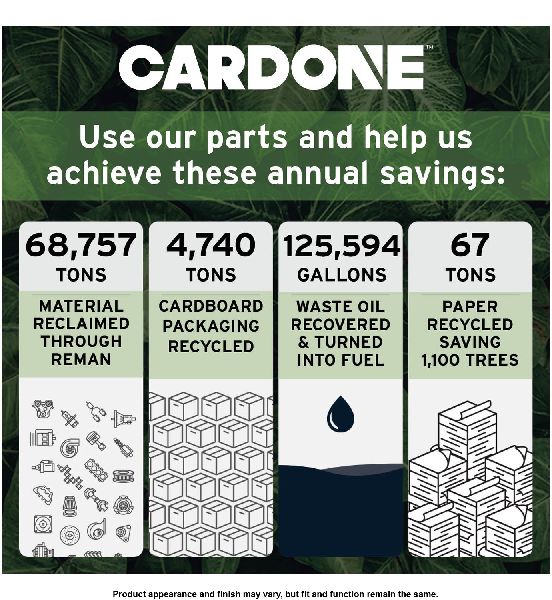
- Budget-Friendly (Use with Caution): Cardone is a major supplier, primarily of remanufactured calipers, though they also offer new units. While their powder-coated "Ultra" line offers good corrosion protection, quality control can be inconsistent, with some users reporting issues with reused components or improper assembly. Inspect these parts carefully before installation.
Pro Tip: Inspect Your Brake Hoses
Before replacing a caliper you believe is seized, check the flexible rubber brake hose connected to it. Over time, these hoses can collapse internally, acting like a one-way valve that traps brake fluid and keeps the caliper engaged. This problem perfectly mimics a seized caliper. If your Durango is over 10 years old, it's wise to replace these inexpensive hoses when you replace the calipers.
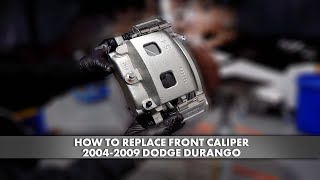
🎬 See this step-by-step front caliper replacement walkthroughEstimated Costs
Here is a general breakdown of what you can expect to pay for the parts and professional installation. Prices can vary by location and the specific brand chosen.
| Item | Estimated Cost |
|---|---|
| New Aftermarket Caliper (Single) | $56 - $205 |
| New OEM Caliper (Single) | $200 - $450+ |
| Shop Labor (Per Pair) | $150 - $300 |
| Total Professional Job (Aftermarket, Pair) | $260 - $710 |
Frequently Asked Questions
Should I replace my brake calipers in pairs?
Yes, absolutely. You should always replace calipers in pairs (both front wheels or both rear wheels at the same time). This ensures that your braking is even and predictable. Replacing only one can lead to the vehicle pulling to one side during braking.
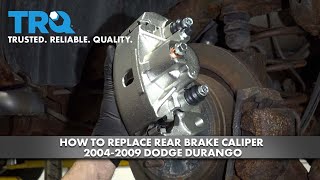
🎬 Watch: How to replace rear brake calipers on your DurangoWhat's the difference between a new and a remanufactured caliper?
A new caliper is made from all-new materials. A remanufactured (or "reman") caliper is an original OEM core that has been taken apart, cleaned, inspected, and rebuilt with new seals, boots, and other wear components. High-quality remanufactured calipers from brands like Powerstop or Centric are a reliable and cost-effective option.
What are the symptoms of a seized caliper slide pin vs. a seized piston?
A seized slide pin will often cause uneven pad wear, with one pad wearing out much faster than the other in the same caliper. A seized piston typically causes both pads to drag and wear, leading to more intense heat and a stronger pulling sensation. In either case, the solution is usually to replace the entire caliper assembly.
Are there any recalls on 2004-2010 Durango calipers?
No. Searches of the National Highway Traffic Safety Administration (NHTSA) database and other sources show no specific recalls or technical service bulletins (TSBs) for widespread brake caliper failures on the 2004-2010 Dodge Durango. Failures are typically due to age, mileage, and environmental factors like road salt.
Helpful Videos
Technical Specifications
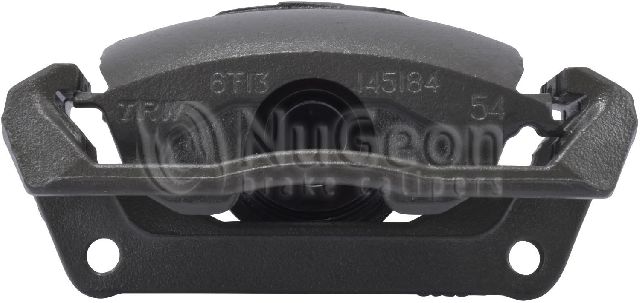
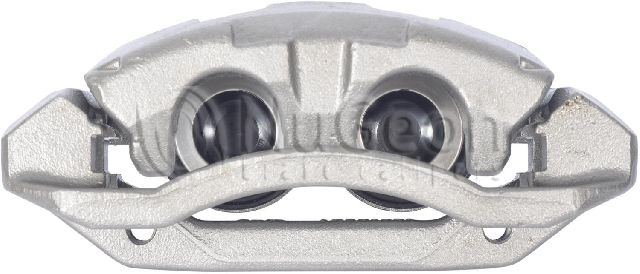
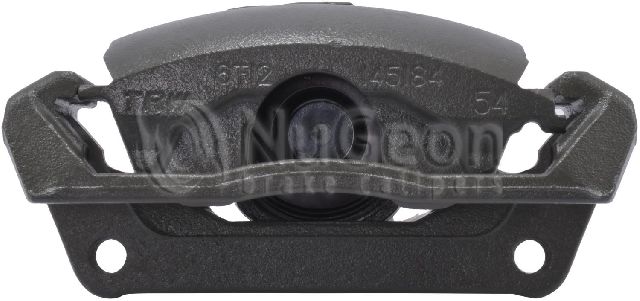
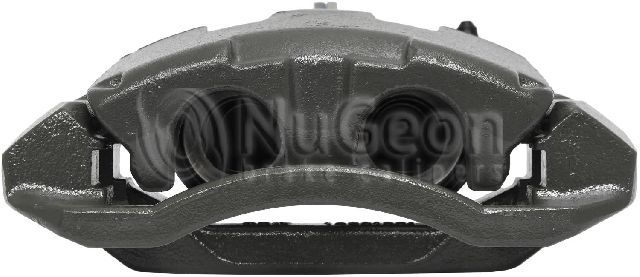
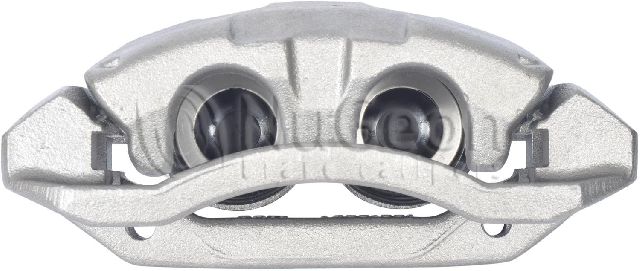
Brake calipers for the 2004-2010 Dodge Durango are typically twin-piston front calipers and single-piston rear calipers. They mount to the steering knuckle in the front and the axle housing in the rear. Ensure the replacement caliper has the bleeder screw positioned at the top when installed to allow for proper air bleeding.
We Have This Part in Stock

The information in this article is provided for general reference and educational purposes only. Vehicle specifications, procedures, and part compatibility can vary by production date, trim level, and region. Always consult your vehicle's factory service manual and verify part numbers before purchasing or performing repairs. Safety-critical components such as airbags, seat belts, and braking systems should be installed by a qualified professional.
- Dodge Durango: