

Essential Guide to the 2004-2010 Dodge Durango Engine Cylinder Head Bolt Set
Everything you need to know before replacing the head bolts on your 3.7L, 4.7L, or 5.7L HEMI engine.
- Head bolts are Torque-to-Yield (TTY) and MUST be replaced any time the cylinder head is removed.
- Stick with high-quality aftermarket brands like Fel-Pro or Victor Reinz for a reliable, long-lasting repair.
- Symptoms of failing head bolts are identical to a blown head gasket; stop driving immediately if you see them.
- The root cause of failure is almost always engine overheating, so ensure the cooling system is serviced during the repair.
Why Replace Your Head Bolts?
The head bolts in your 2004-2010 Dodge Durango are not ordinary bolts. They are Torque-to-Yield (TTY) fasteners, which means they are designed to permanently stretch when they are tightened to factory specifications. This stretching action provides the precise and powerful clamping force needed to keep the head gasket sealed under extreme heat and pressure. Once they have been stretched, they cannot be safely reused. Reusing old head bolts will result in improper clamping force, which will quickly lead to a failed head gasket, major fluid leaks, and potentially catastrophic engine damage.
Symptoms of Failing Head Bolts
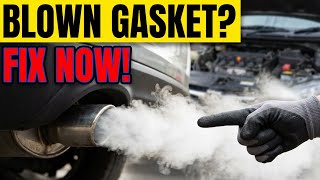
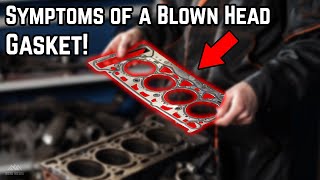
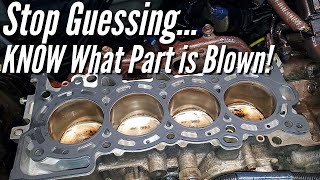
A failing head bolt leads directly to a head gasket failure, as the seal is no longer held tight. The symptoms are therefore identical to those of a blown head gasket. 🎬 Watch: 11 common symptoms of a blown head gasket. If you notice any of these signs, you should stop driving the vehicle immediately to prevent further damage.
- Engine Overheating: This is a classic sign. A failed seal can allow hot combustion gases to enter the cooling system or allow coolant to leak out, causing the engine temperature to rise quickly.
- White Smoke from Exhaust: Sweet-smelling white smoke coming from the tailpipe indicates that coolant is leaking into the combustion cylinders and being burned off with the fuel.
- Milky or Frothy Engine Oil: If you check your oil dipstick and the oil looks like a chocolate milkshake, it means coolant has mixed with your engine oil. This is a critical symptom that can lead to total engine failure due to poor lubrication.
- Unexplained Coolant Loss: If you constantly have to add coolant but can't find an external leak, it may be leaking into the cylinders or oil passages.
- Poor Engine Performance: A loss of compression from a bad seal can cause your Durango to run rough, misfire, or feel down on power.
Choosing the Right Aftermarket Head Bolts
For a critical component like head bolts, brand quality matters. While OEM parts are always an option, high-quality aftermarket brands offer excellent performance and value. Here’s a breakdown of the available brands based on quality and reputation.
Tier 1: High-Performance & Premium Brands
These brands are for owners seeking the highest level of strength and reliability, especially for high-performance or heavy-duty applications.
- Edelbrock: Known for high-performance parts, Edelbrock head bolts are exceptionally strong, often manufactured by ARP, and rated to 170,000 psi or more. While they provide ultimate peace of mind, they may be overkill for a stock daily-driven Durango.
Tier 2: OEM-Quality Brands
These brands are trusted by professional mechanics and are known for meeting or exceeding original equipment specifications. They are the ideal choice for most standard repairs.
- Fel-Pro: A highly respected and widely trusted name in the aftermarket for gaskets and sealing components. Fel-Pro bolts are known for their reliability and proper fit, making them a go-to choice for many mechanics.
- Victor Reinz: Another top-tier supplier that provides parts to vehicle manufacturers directly. Victor Reinz bolts are engineered to OEM specifications and are considered a high-quality, reliable option for any head gasket job.
Tier 3: Economy Brands
These brands offer a lower price point, but quality can be inconsistent. For a component as critical as head bolts, using an economy brand can be risky.
- Apex: Generally considered a budget-friendly brand. While they may be suitable for less critical parts, using them for head bolts is a gamble that could lead to a repeat failure of the head gasket. Some online reports for similarly named companies show negative customer experiences.
Known Issues, Recalls, and TSBs
There are no active recalls or Technical Service Bulletins (TSBs) from Dodge specifically for engine cylinder head bolt failure on the 2004-2010 Durango. Most recalls for this vehicle concern airbags. However, TSBs do exist for issues like engine misfires caused by water intrusion into the spark plug wells, which highlights the importance of overall engine maintenance. The failure of head bolts is almost always a secondary result of another problem, most commonly engine overheating.
| Category | Estimated Cost |
|---|---|
| New Aftermarket Bolt Set | $25 - $90 |
| New OEM Bolt Set | $100 - $180 |
| Shop Labor (for full head gasket job) | $900 - $1,500+ |
| Total Professional Job Cost | $1,400 - $2,500+ |
Frequently Asked Questions
Can I just re-tighten my old head bolts?
No. The head bolts on your Durango are Torque-to-Yield (TTY), meaning they permanently stretch during installation. They cannot be re-tightened or reused. Attempting to do so will result in a failed head gasket.
Do I need a special tool to install new head bolts?
Yes. You need a calibrated torque wrench and a torque angle gauge. Head bolts are tightened in a specific sequence and in multiple stages, first to a specific torque value, and then by turning them an additional number of degrees. Following the factory procedure is critical for a successful repair.
🎬 Watch: EricTheCarGuy explains how to torque cylinder head bolts.Should I buy head bolts with or without washers?
You should purchase the bolt set that matches the original design for your specific engine (3.7L, 4.7L, or 5.7L). High-quality kits from brands like Fel-Pro or Victor Reinz will include washers if they are required for your application.
What is the main cause of head bolt failure?
Head bolts themselves rarely fail on their own. The problem almost always starts with the engine overheating. Extreme heat causes the aluminum cylinder heads to expand more than the iron block, which can warp the head and compromise the head gasket seal. This puts immense stress on the bolts and can lead to failure.
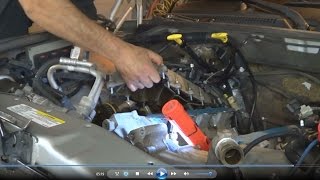
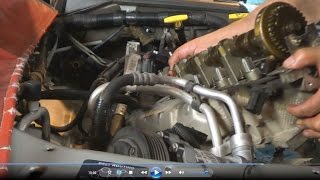
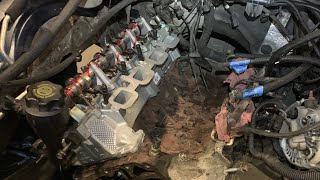
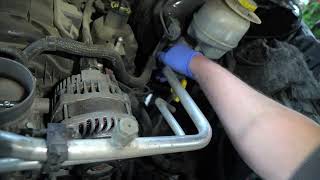
Helpful Videos
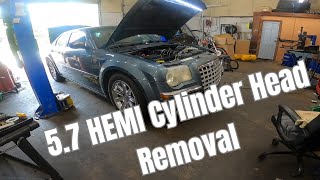
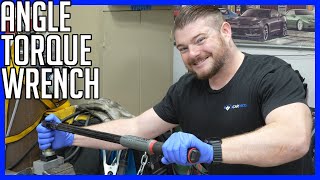
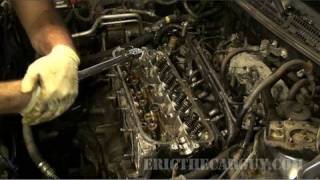
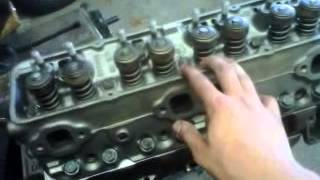
Technical Specifications
Torque-to-Yield (TTY) design. Specific length and thread pitch vary by engine (3.7L V6, 4.7L V8, 5.7L HEMI V8).
We Have This Part in Stock


The information in this article is provided for general reference and educational purposes only. Vehicle specifications, procedures, and part compatibility can vary by production date, trim level, and region. Always consult your vehicle's factory service manual and verify part numbers before purchasing or performing repairs. Safety-critical components such as airbags, seat belts, and braking systems should be installed by a qualified professional.
- Dodge Durango:
- 🎬 Helpful Videos
- 🛍️ Shop This Part
- Why Replace Your Head Bolts?
- Symptoms of Failing Head Bolts
- Choosing the Right Aftermarket Head Bolts
- Tier 1: High-Performance & Premium Brands
- Tier 2: OEM-Quality Brands
- Tier 3: Economy Brands
- Known Issues, Recalls, and TSBs
- Frequently Asked Questions
- 🎟️ Get 5% Off