

Ignition Knock Sensor for 2004-2010 Dodge Durango: A Complete Guide
Understand the symptoms of a failing knock sensor and choose the right replacement for your Durango's specific engine.
- The replacement job is simple for the 5.7L HEMI V8 but complex and costly for the 3.7L V6 and 4.7L V8.
- Symptoms include a check engine light (P0325, P0330), poor acceleration, and reduced fuel economy.
- Using a quality aftermarket brand like Delphi, NGK, or Standard Ignition is a reliable, cost-effective alternative to expensive OEM parts.
- For 3.7L/4.7L engines, always replace both sensors at once as they are sold as an assembly and require intake manifold removal.
Is Your Durango's Knock Sensor Failing?
A bad knock sensor can cause noticeable problems. Because it plays a key role in engine timing, a failure can make your Durango run poorly. The computer may switch to a 'safe mode' to prevent damage, resulting in sluggish performance. You should look for a replacement if you notice a combination of these issues.
Key Symptoms of a Bad Knock Sensor:
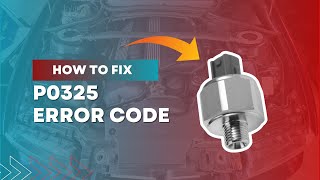
- Check Engine Light: This is the most common sign. The system will log a fault code, typically P0325 or P0330. 🎬 See how to diagnose and troubleshoot these specific fault codes.
- Reduced Power and Acceleration: Your Durango may feel slow or hesitant, especially when accelerating or towing.
- Worse Fuel Economy: When the engine timing is not optimal, it burns more fuel than necessary.
- Engine Pinging or Knocking: You might hear a metallic pinging sound from the engine, especially under load, because the computer isn't getting the right signal 🎬 Learn how to fix a knock sensor circuit malfunction. to correct the detonation.
Engine-Specific Replacement Info
The location of the knock sensors and the difficulty of the replacement are very different depending on your engine. The 5.7L HEMI is a much easier job than the 3.7L V6 or 4.7L V8.
Choosing the Right Aftermarket Knock Sensor
While OEM Mopar sensors are an option, high-quality aftermarket brands offer reliable performance at a better price. Some Dodge trucks can be sensitive to sensor quality, so choosing a reputable brand is important to avoid having to do the job twice.
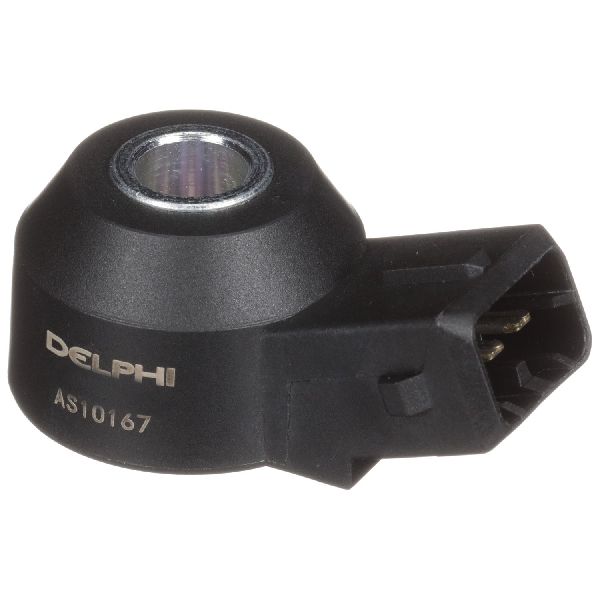
- Premium Aftermarket (OEM Quality): Brands like Delphi and NGK (also sold as NTK) are often original equipment suppliers to major automakers. They are known for their reliability and are considered a safe bet for a direct replacement.
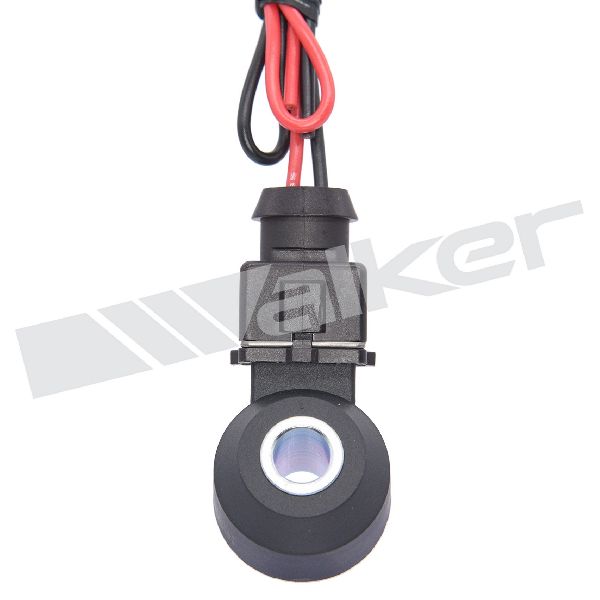
- Trusted Aftermarket Brands: Standard Ignition (SMP), Walker Products, and Holstein have a strong reputation for producing quality sensors that meet or exceed OEM specifications. These are excellent choices that balance cost and quality.
- Value-Oriented Brands: Brands like Crown Automotive and Beck Arnley provide a cost-effective solution. While often reliable, forum discussions for Dodge vehicles sometimes suggest sticking with OEM or premium aftermarket brands for critical sensors to ensure compatibility.
Pro Tip: For the 3.7L and 4.7L engines, the labor is intensive. To avoid repeat work, it's highly recommended to use a premium aftermarket or OEM sensor and replace both sensors at the same time, as they are sold as an assembly.
Replacement Cost for 2004-2010 Dodge Durango
The cost to replace your knock sensors depends heavily on your engine due to the difference in labor time. Your Durango has two knock sensors.
| Engine | Part Location | Est. Labor Time | Est. Shop Labor Cost | Aftermarket Part Cost (Pair) |
|---|---|---|---|---|
| 5.7L HEMI V8 | External sides of the engine block | 1 - 1.5 hours | $150 - $225 | $45 - $170 |
| 3.7L V6 & 4.7L V8 | Under the intake manifold | 2.5 - 3.5 hours | $225 - $350+ | $45 - $170 |
Frequently Asked Questions
Where are the knock sensors on a 2004-2010 Dodge Durango?
It depends on your engine. For the 5.7L HEMI V8, the two sensors are on the lower external sides of the engine block, accessible from underneath or through the wheel wells. For the 3.7L V6 and 4.7L V8, the two sensors are located together in the engine valley, underneath the entire intake manifold.
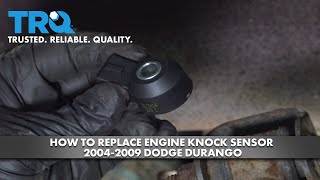
🎬 Watch this step-by-step guide to replacing Durango knock sensors.Can I replace just one knock sensor?
On the 5.7L HEMI, you can replace one at a time since they are individually accessible. On the 3.7L and 4.7L engines, the sensors are sold as a single harness assembly and are difficult to access, so you must replace both at the same time. It is generally good practice to replace them in pairs regardless of the engine.
Is an OEM Mopar knock sensor better than aftermarket?
While Mopar sensors guarantee a perfect match, some owners report that Dodge electronics can be picky with aftermarket parts. However, premium aftermarket brands like Delphi and NGK/NTK are often OEM suppliers themselves and provide equivalent quality and reliability for less money. Sticking to a well-known aftermarket brand is a safe and cost-effective choice.
Were there any recalls for the Durango knock sensor?
No, there have been no specific recalls issued by the NHTSA for the ignition knock sensor on the 2004-2010 Dodge Durango. A technical service bulletin (TSB) for improved knock sensor performance was issued for later model years but does not apply to this generation.
Helpful Videos
Technical Specifications
OEM Part Numbers: 56028563AA 5033316AA 5033316AB 4606093AF
Your 2004-2010 Dodge Durango is equipped with two knock sensors. They typically feature a 2-pin blade-style male terminal with a rectangular female connector. The correct sensor for your vehicle may vary by engine type (3.7L, 4.7L, or 5.7L), so always verify the fitment before purchasing.
We Have This Part in Stock


The information in this article is provided for general reference and educational purposes only. Vehicle specifications, procedures, and part compatibility can vary by production date, trim level, and region. Always consult your vehicle's factory service manual and verify part numbers before purchasing or performing repairs. Safety-critical components such as airbags, seat belts, and braking systems should be installed by a qualified professional.
- Dodge Durango: