

2004-2010 Land Rover Range Rover Crankshaft Position Sensor Guide
Understanding the critical sensor that can leave your Range Rover stalled or unable to start.
- A failing crankshaft sensor will lead to a no-start or stalling condition; the vehicle should not be driven.
- Symptoms are severe: engine cranks but won't start, sudden stalling, rough idle, and a Check Engine Light (P0335/P0336).
- The part number and location differ between the 2004-2005 (BMW engine) and 2006-2010 (Jaguar engines); verify fitment.
- For this critical sensor, choosing a Tier 1 (OEM supplier) or Tier 2 (reputable aftermarket) brand is strongly recommended over budget options.
Why Your Range Rover's Crankshaft Sensor Fails
The crankshaft position sensor, or CKP sensor, lives in a harsh environment near the engine block or transmission bell housing. Over time, constant exposure to intense heat cycles and vibrations can cause the sensor's internal electronics or wiring to break down. The magnet inside the sensor can also weaken with age, leading to a poor or inconsistent signal. While these sensors are built to last, failure around the 100,000-mile mark is not uncommon.
Symptoms of a Failing Crankshaft Position Sensor
A bad crankshaft sensor will not leave you guessing for long. The symptoms are usually severe and will prevent you from driving the vehicle. Look for these common signs:
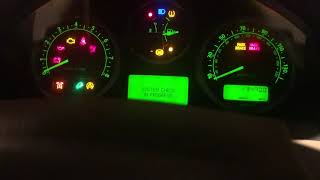
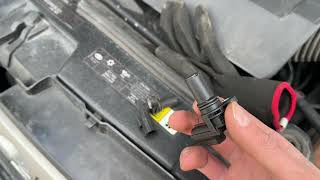
- Engine Cranks but Won't Start: 🎬 Watch: Troubleshooting a Range Rover that cranks but won't start. This is the most definitive symptom. The starter will turn the engine over, but it will not fire up because the computer doesn't know when to send spark and fuel.
- Sudden Engine Stalling: The engine may run fine and then suddenly shut off while driving, often after it has warmed up. It may refuse to restart until the engine has cooled down.
- Rough Idle and Engine Misfires: Your Range Rover may idle poorly, shake, or you may feel the engine misfiring.
- Hesitation and Poor Acceleration: You may notice a significant lack of power, sluggish response, or jerky acceleration.
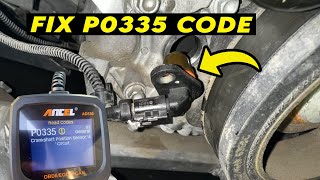
- Check Engine Light: A failing sensor will almost always trigger a Check Engine Light, with common fault codes being P0335 or P0336. 🎬 See this guide before replacing your sensor for a P0335 code.
Critical Part Warning
A failing crankshaft position sensor is not a part to ignore. It will eventually leave you stranded. It is highly recommended to stop driving the vehicle until the sensor is replaced.
Choosing the Right Aftermarket Sensor for Your Range Rover
When it comes to electronic sensors for a Land Rover, not all parts are created equal. While saving money is tempting, a cheap, low-quality sensor can fail prematurely or be dead on arrival, forcing you to do the job twice. For a critical part like this, it's best to choose a quality aftermarket brand.
Brand Tiers for Aftermarket Sensors
- Tier 1: OEM Supplier Brands (e.g., Delphi): Brands like Delphi are often Original Equipment Manufacturers (OEMs) for many car companies. They produce sensors to the same high standards as the genuine part. Choosing an OEM supplier brand is the safest bet for reliability and longevity, closely matching the performance of the original part.
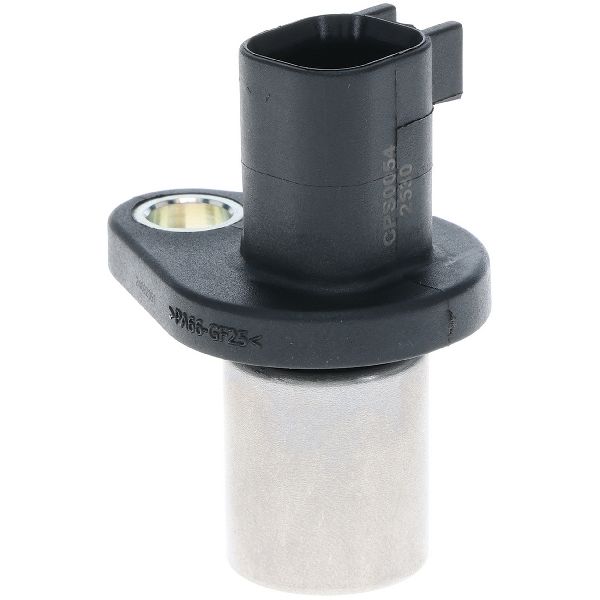
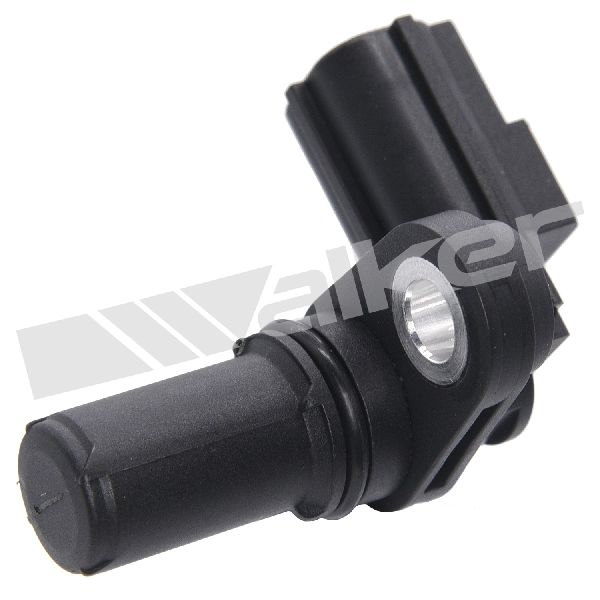
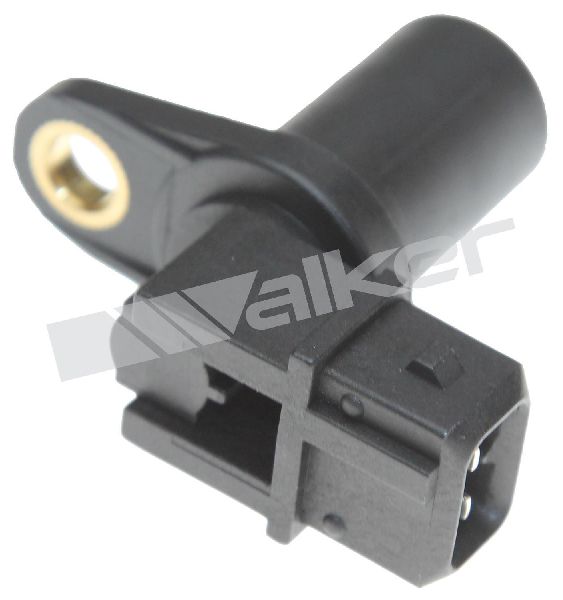
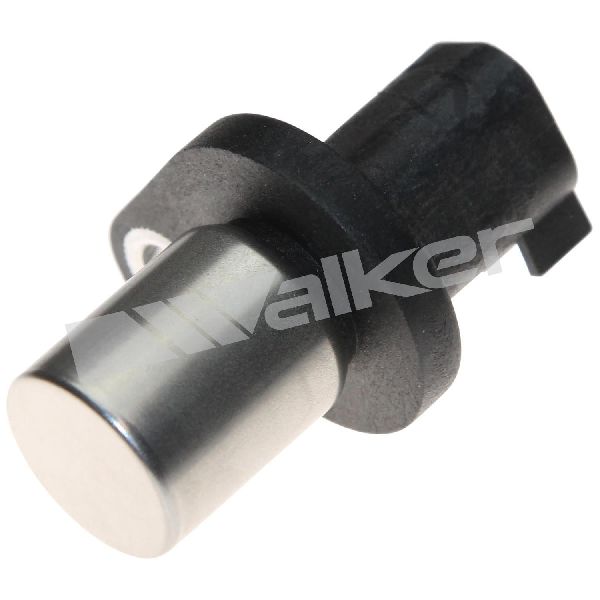
- Tier 2: Reputable Aftermarket Brands (e.g., Hella, Hitachi, Standard Ignition, Walker Products): These are well-known companies in the aftermarket industry that engineer their parts to meet or exceed OE specifications. They offer a good balance of quality and value and are a reliable choice for most repairs.
- Tier 3: Economy Brands (e.g., Global Parts, Prenco, Vemo): While these brands offer the lowest price point, quality can be inconsistent. For a part as critical as the crankshaft sensor on a Range Rover, using an economy brand can be a gamble and is generally not recommended by vehicle enthusiasts.
Pro Tip: Check Your Engine
The 2004-2010 Range Rover used different engines. 2004-2005 models have a BMW-sourced 4.4L V8, while 2006-2009 models use a Jaguar-sourced 4.4L or 4.2L Supercharged V8. The 2010 model introduced a 5.0L V8. These engines use different sensors. Always verify the correct part for your specific year and engine before ordering.
Estimated Replacement Costs
| Part Type | Estimated Cost |
|---|---|
| New Aftermarket Sensor | $26.90 - $97.20 |
| Shop Labor | $180 - $450 |
| Total Estimated Cost | $207 - $547 |
Cost estimates are for reference only and will vary based on your location, the specific brand chosen, and the repair shop's labor rates.
Frequently Asked Questions (FAQ)
Where is the crankshaft sensor located on my Range Rover?
The location varies by engine. On 2004-2005 models with the BMW engine, it's on the passenger side of the transmission bell housing. On 2006-2010 models with the Jaguar engines, it is in a similar location at the rear of the engine, but access can be more challenging and may require removing other components to reach it. It is almost always accessed from underneath the vehicle.
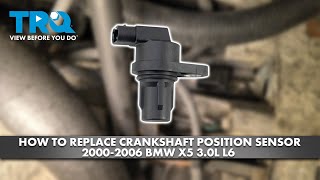
Is this a difficult part to replace myself? 🎬 Watch: A step-by-step walkthrough of the crankshaft sensor replacement process.
For a DIYer, this job is moderately difficult. While the sensor itself is usually held by only one or two bolts, access is very tight. It requires safely lifting the vehicle, and you will likely need a good set of ratchets with extensions and wobble sockets. Patience is key. If you are not comfortable working in tight spaces under your vehicle, it's best to leave this job to a professional.
Are there any recalls for this part on my Range Rover?
As of early 2026, there are no specific NHTSA recalls for the engine crankshaft position sensor on the 2004-2010 Land Rover Range Rover. Any recalls you may find for these years are typically for other issues like suspension or seat belts.
Do I need to program the new sensor?
No, a new crankshaft position sensor does not require any special programming or relearning procedure. It is a plug-and-play component. After installation, you should clear the fault codes from the computer with an OBD-II scanner.
Helpful Videos




Technical Specifications
OEM Part Numbers: NSC000050 (2004-2005) XR83-6B288-AB (2006-2009) LR035561 (2010)
Typically a Hall Effect or magneto-resistive sensor with a 2 or 3-pin connector. Location is on the engine block or transmission bellhousing.
We Have This Part in Stock


The information in this article is provided for general reference and educational purposes only. Vehicle specifications, procedures, and part compatibility can vary by production date, trim level, and region. Always consult your vehicle's factory service manual and verify part numbers before purchasing or performing repairs. Safety-critical components such as airbags, seat belts, and braking systems should be installed by a qualified professional.
- Land Rover Range Rover:
- 🎬 Helpful Videos
- 🛍️ Shop This Part
- Why Your Range Rover's Crankshaft Sensor Fails
- Symptoms of a Failing Crankshaft Position Sensor
- Critical Part Warning
- Choosing the Right Aftermarket Sensor for Your Range Rover
- Brand Tiers for Aftermarket Sensors
- Pro Tip: Check Your Engine
- Estimated Replacement Costs
- Frequently Asked Questions (FAQ)
- 🎟️ Get 5% Off