

Nissan Quest Oxygen Sensor Guide for 2004-2010 Models
Having trouble with your Quest's fuel economy or check engine light? Your oxygen sensor might be the problem.
- A bad oxygen sensor will trigger the check engine light and hurt your fuel economy.
- Your Quest has four sensors; use a scanner to identify which one has failed before buying a part.
- For best results, choose a quality aftermarket brand like Denso, NGK/NTK, or Bosch.
- Some sensors are hard to reach, especially near the firewall, which can increase labor costs or DIY difficulty.
Understanding Oxygen Sensor Failure in Your Quest

The oxygen sensors in your Nissan Quest operate in a harsh environment, constantly exposed to hot exhaust gases. Over time, they wear out or get contaminated, usually between 60,000 and 100,000 miles. When a sensor fails, it can send wrong information to your van's computer, leading to noticeable problems. Ignoring a bad sensor can lead to poor engine performance, higher fuel costs, and could eventually damage your expensive catalytic converter.
Common Symptoms of a Bad O2 Sensor
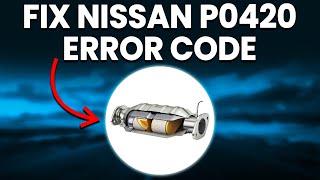
- Check Engine Light: The most common sign is an illuminated check engine light. Codes like P0130, P0131, P0171, or P0420 often point to an O2 sensor issue. 🎬 Learn how to diagnose and fix a P0420 error code.
- Worse Fuel Economy: A faulty upstream sensor can cause the engine to use more fuel than necessary. One owner reported their MPG jumping from 13 to 20 after replacing a bad sensor. 🎬 Watch: How replacing an upstream sensor fixed poor gas mileage.
- Rough Idle and Hesitation: Your Quest might idle poorly, hesitate during acceleration, or even misfire.
- Failed Emissions Test: A bad downstream sensor is a common reason for failing an emissions inspection.
Choosing the Right Aftermarket Oxygen Sensor

When replacing an O2 sensor, you don't have to buy the expensive dealer part. Aftermarket sensors can offer the same quality for a better price. However, not all brands are equal. For Japanese vehicles like your Nissan Quest, it's wise to stick with brands known for their quality and compatibility.
Brand Quality Tiers for Your Nissan Quest
- Premium (OEM-level Quality): Denso and NGK (NTK) are often the original equipment manufacturers for Nissan. Choosing one of these brands is the safest bet for a direct-fit, reliable replacement that performs just like the original.
- Reputable Mid-Range: Bosch and Delphi are well-respected brands that produce quality sensors. They are a solid choice and often recommended by mechanics. A Bosch sensor was successfully used in a 2005 Quest repair.
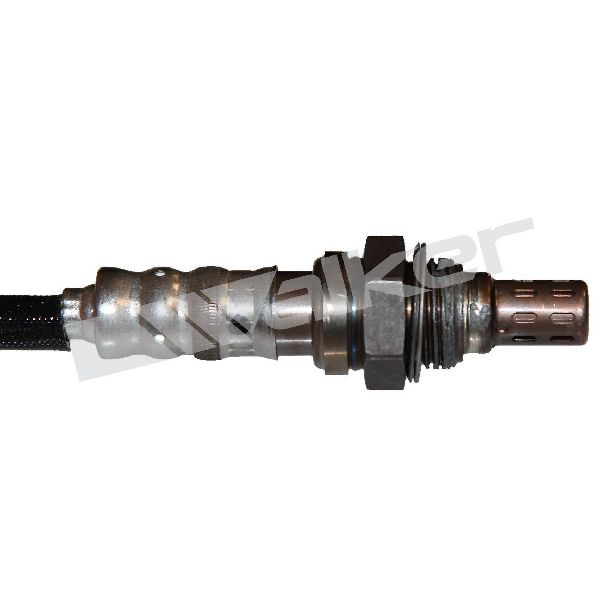
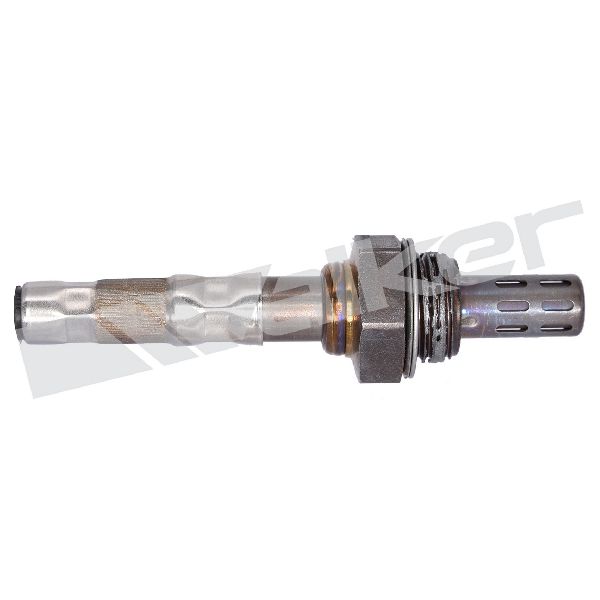
- Economy: Brands like Walker Products and DriveWire offer a more budget-friendly option. While they can work, some owners report issues with generic or no-name sensors, so it's important to ensure they are a direct fit with the correct connector to avoid problems.
How Much Does an Oxygen Sensor Replacement Cost for a 2004-2010 Nissan Quest?
The cost depends on the brand you choose and whether you do the work yourself or hire a shop. The sensors themselves have a wide price range.
| Part Type | Price Range |
|---|---|
| New Aftermarket Sensor | $39.74 - $178.23 |
| Shop Labor | $100 - $250 |
Prices are estimates and can vary based on your location and the specific sensor that needs replacement. Some sensors are harder to reach, increasing labor time.
Frequently Asked Questions (FAQ)

Can I replace just one oxygen sensor?
Yes, you only need to replace the sensor that has failed. However, if your Quest has high mileage and one sensor fails, others may not be far behind. Some mechanics recommend replacing them in pairs (both upstream or both downstream) to ensure balanced performance, but it's not strictly necessary.
Is replacing an O2 sensor a DIY job?
For a handy DIYer, yes. You'll need a special oxygen sensor socket to work around the wire. Some sensors, especially the upstream ones on the back of the engine (near the firewall), can be very difficult to access. The downstream sensors are accessed from under the vehicle. If the sensor is stuck, you may need a breaker bar for extra leverage.
What are Bank 1 and Bank 2 on my Nissan Quest?
Bank 1 refers to the side of the engine that contains cylinder #1. On the Quest's V6 engine, this is typically the bank of cylinders closer to the firewall. Bank 2 is the bank of cylinders closer to the radiator.
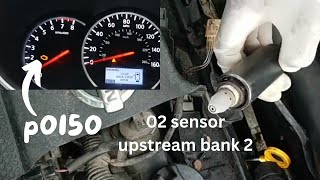
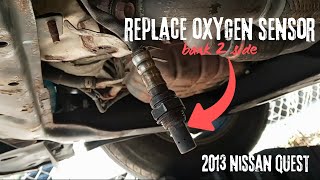
🎬 See how to replace the Bank 2 upstream sensor.Are there any recalls for the 2004-2010 Quest oxygen sensor?
Based on searches of the NHTSA database, there are no specific recalls or widespread technical service bulletins (TSBs) for oxygen sensor failure on the 2004-2010 Nissan Quest. However, one forum user noted that loose heat shield bolts on Bank 2 can cause exhaust leaks that lead to incorrect sensor readings.
Helpful Videos
Technical Specifications
OEM Part Numbers: 226A1-AR210
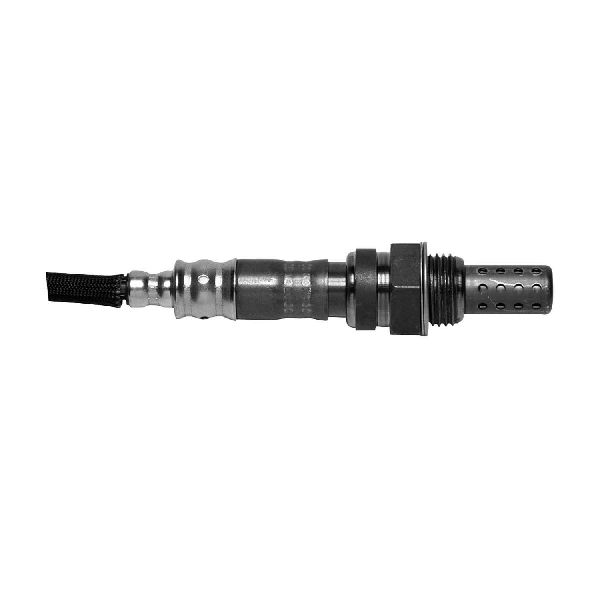
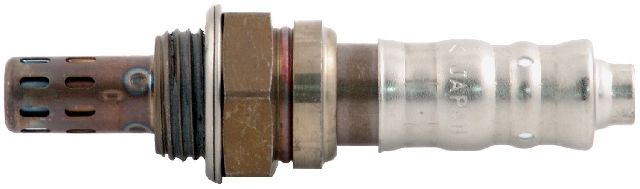
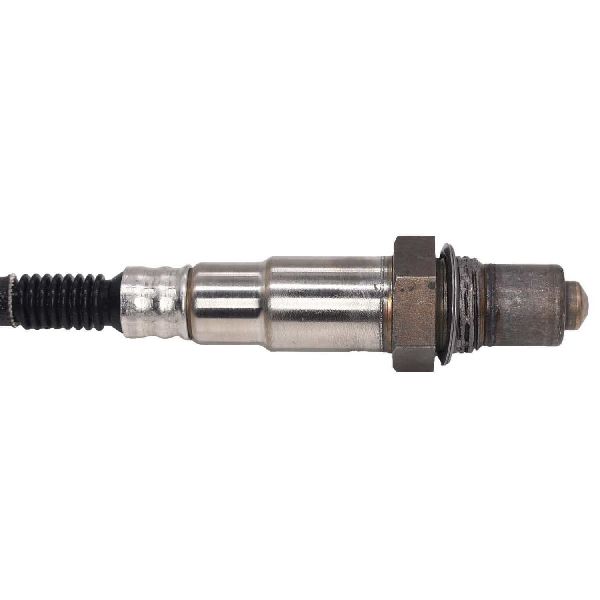
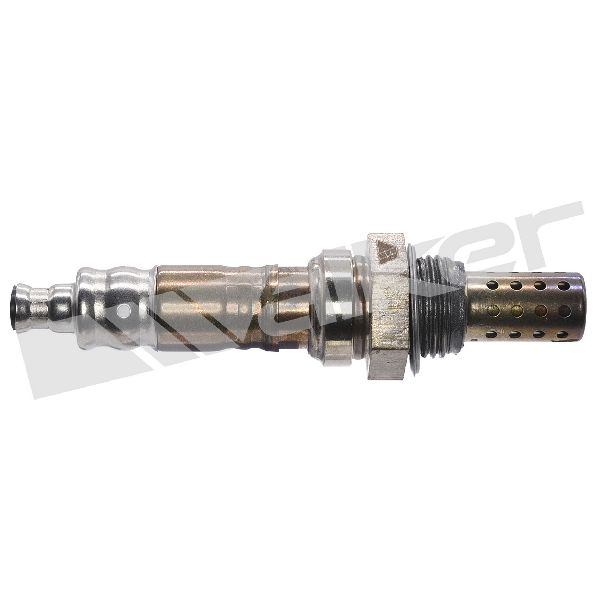
The 2004-2010 Nissan Quest uses four heated oxygen sensors. Two are upstream air-fuel ratio sensors and two are downstream monitoring sensors. They are specific to their bank (Bank 1 or Bank 2) and position (Upstream or Downstream).
We Have This Part in Stock

The information in this article is provided for general reference and educational purposes only. Vehicle specifications, procedures, and part compatibility can vary by production date, trim level, and region. Always consult your vehicle's factory service manual and verify part numbers before purchasing or performing repairs. Safety-critical components such as airbags, seat belts, and braking systems should be installed by a qualified professional.
- Nissan Quest:
- 🎬 Helpful Videos
- 🛍️ Shop This Part
- Understanding Oxygen Sensor Failure in Your Quest
- Common Symptoms of a Bad O2 Sensor
- Choosing the Right Aftermarket Oxygen Sensor
- Brand Quality Tiers for Your Nissan Quest
- How Much Does an Oxygen Sensor Replacement Cost for a 2004-2010 Nissan Quest?
- Frequently Asked Questions (FAQ)
- 🎟️ Get 5% Off