

Essential Guide to the 2004-2010 Suzuki Swift+ Engine Timing Belt & Water Pump
Don't let a failed timing belt destroy your Swift+ engine; here's what you need to know for this critical replacement.
- The 2004-2010 Suzuki Swift+ has an interference engine; a broken timing belt will cause catastrophic engine damage.
- The recommended replacement interval is 60,000 miles, but due to known issues, replacing it every 50,000 miles is safer.
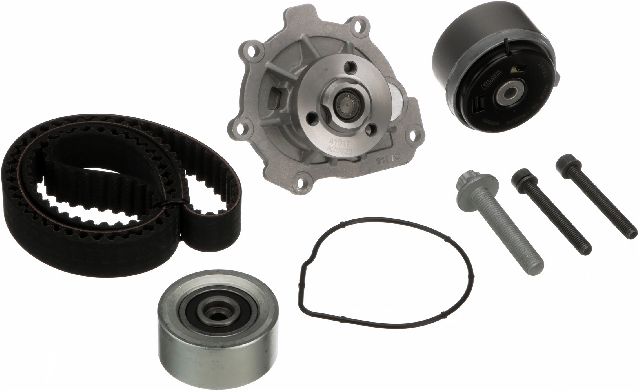
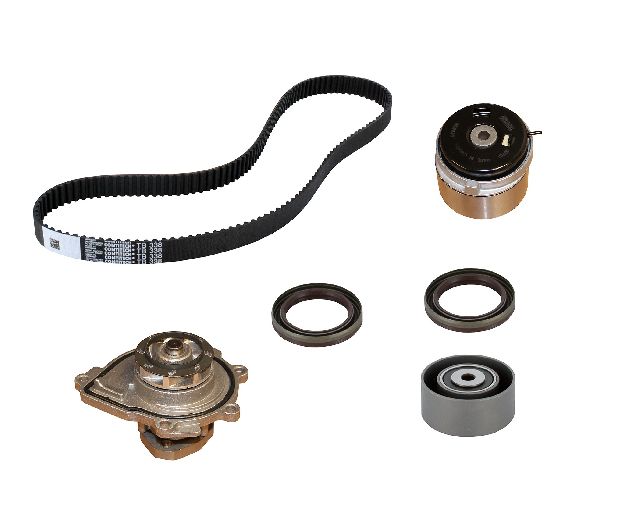
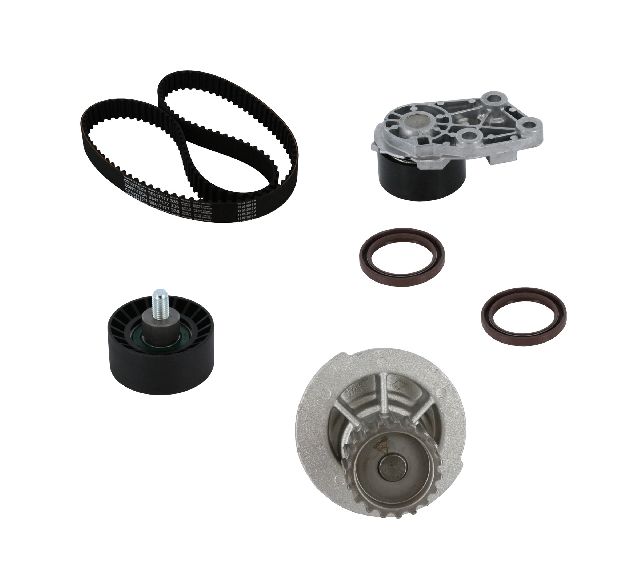
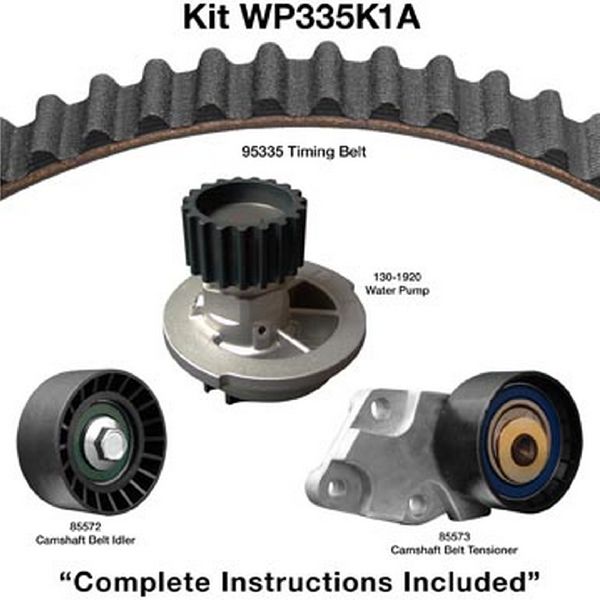
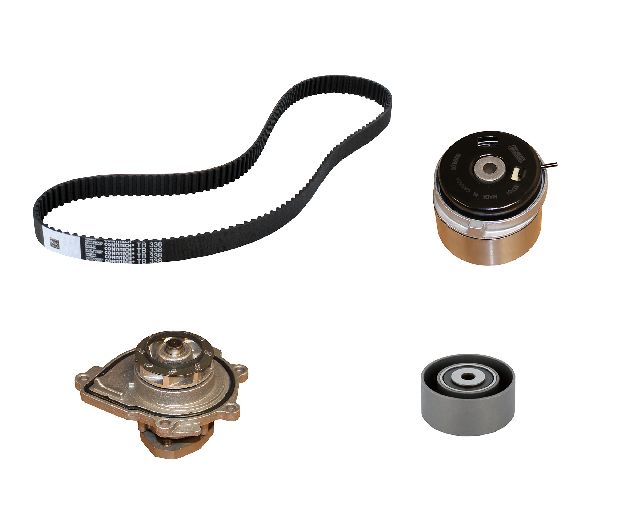
- Always replace the timing belt, tensioner, idler, and water pump together as a complete kit.
- This is not a beginner-friendly DIY job. Professional installation is strongly recommended to ensure engine safety.
Is Your Suzuki Swift+ Timing Belt About to Fail?

The 1.6L engine in the 2004-2010 Suzuki Swift+ (a vehicle also known as the Chevrolet Aveo) has a well-documented history of timing belt issues. The original manufacturer recommendation for replacement is every 60,000 miles, a shorter interval than many other vehicles. However, numerous owner reports show failures occurring even earlier, sometimes between 40,000 and 50,000 miles. Ignoring this service is a major risk. A snapped belt on this interference engine means the pistons and valves will collide, leading to repairs that can cost thousands of dollars, often more than the value of the car.
Critical Warning: Interference Engine
The engine in your Swift+ is an interference design. If the timing belt breaks, the engine will be severely damaged. There are no second chances with this part. 🎬 Watch: See the internal damage caused by a snapped belt. If you are unsure of your vehicle's service history, replace the timing belt kit immediately.
Symptoms of a Failing Timing Belt Kit
- Ticking Noise: A repetitive ticking or clicking sound from the engine bay can indicate a worn belt or failing pulley bearing. 🎬 See what happens when a timing belt idler pulley fails.
- Engine Misfires or Rough Idling: If the belt has stretched or slipped, the engine timing will be off, causing poor performance.
- Engine Won't Start: A broken belt prevents the camshaft from turning, and the engine will not start. You might hear the starter motor engage, but the engine won't turn over.
- Coolant Leaks or Overheating: A leak from the front, center of the engine often points to a failing water pump seal. A squealing noise from the timing cover area can also be a sign of a failing water pump pulley.
Choosing the Right Aftermarket Timing Belt Kit

Since this is such a critical part, quality matters. Aftermarket kits offer a range of options. Always choose a complete kit that includes the belt, tensioner, idler pulley(s), and water pump with a gasket. Here’s a breakdown of available brands.
Premium Brands: OEM Quality or Better
- Gates: Widely considered a top-tier aftermarket brand, often an original equipment manufacturer (OEM) for many carmakers. Gates kits are known for their high-quality components and reliability.
- Continental (ContiTech): Another premier OEM supplier, Continental provides complete kits that meet or exceed factory specifications. Their Pro Series kits often come with a lifetime guarantee based on the vehicle's recommended change interval.
Standard / Value Brands: Reliable & Cost-Effective
- Dayco: A well-respected brand that offers a solid balance of quality and price. Dayco kits are a common choice in independent repair shops.
- GMB: A Japanese/Korean company that manufactures a wide range of automotive parts, including water pumps and timing components. They are often an OE supplier for various car companies and are generally considered a decent quality aftermarket option.
Budget-Friendly Brands
- US Motor Works: This brand focuses on providing new, not remanufactured, water pumps and components that meet OEM specifications. They emphasize using metal impellers and quality bearings.
Pro Tip: Always Replace as a Kit
Never replace just the timing belt. The tensioner and idler pulleys wear at the same rate. The water pump is also replaced as a preventative measure, since the cost is almost all labor. A failed water pump bearing can cause the new belt to fail, leading to the same catastrophic engine damage.
Known Issues, Recalls, and Service Bulletins

The North American Suzuki Swift+ is mechanically identical to the Chevrolet Aveo. Research for the Aveo reveals a Technical Service Bulletin (TSB 06-06-01-021) issued by General Motors in October 2006. This TSB addressed premature timing belt failures on low-mileage vehicles, highlighting the known weakness of the original belts. While no specific recalls for the timing belt exist on the Suzuki Swift+, the shared platform indicates the same level of caution should be taken. No other relevant TSBs or NHTSA recalls concerning the timing belt or water pump were found for the 2004-2010 Suzuki Swift+.
| Item | Estimated Cost |
|---|---|
| Aftermarket Timing Belt Kit with Water Pump | $159 - $334 |
| Shop Labor | $400 - $600 |
| Total Professional Installation | $559 - $934 |
Frequently Asked Questions (FAQ)

When should I replace the timing belt on my 2004-2010 Suzuki Swift+?
The manufacturer's recommended interval is 60,000 miles. However, due to widespread reports of premature failures, it is highly advisable to replace it every 50,000 miles or every 5 years, whichever comes first, to be safe.
Is this a DIY job?
For most home mechanics, this is not a recommended DIY project. 🎬 Watch this detailed walkthrough of the timing belt replacement process. The job requires specific tools, a good understanding of engine mechanics, and precision. An error in setting the timing can destroy the engine upon startup. The labor time is estimated at around 2-3 hours for a professional.
What happens if the water pump fails?
A failing water pump can leak coolant, causing the engine to overheat. More dangerously, if the water pump's bearing seizes, it can cause the timing belt to snap, leading to immediate and severe engine damage.
Is there a difference between a timing belt and a timing chain?
Yes. Your Swift+ uses a rubber timing belt that requires regular replacement. Some other vehicles use a metal timing chain, which is located inside the engine and is designed to last much longer. Do not confuse the two.
Should I buy an OEM kit from Suzuki?
Given the history of premature failures with the original belts, a high-quality aftermarket kit from a brand like Gates or Continental is an excellent and often preferred choice. These brands are trusted OEM suppliers and their kits are designed to meet or exceed the original specifications.
Helpful Videos
Technical Specifications
OEM Part Numbers: 96417177
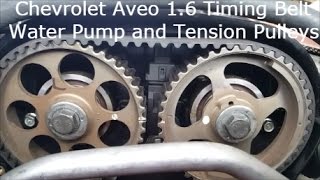
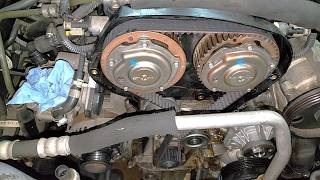
This vehicle uses the 1.6L E-TEC II DOHC engine, which is an interference design. The timing belt drives the two camshafts and the water pump.
We Have This Part in Stock

The information in this article is provided for general reference and educational purposes only. Vehicle specifications, procedures, and part compatibility can vary by production date, trim level, and region. Always consult your vehicle's factory service manual and verify part numbers before purchasing or performing repairs. Safety-critical components such as airbags, seat belts, and braking systems should be installed by a qualified professional.
- Suzuki Swift+:
- 🎬 Helpful Videos
- 🛍️ Shop This Part
- Is Your Suzuki Swift+ Timing Belt About to Fail?
- Critical Warning: Interference Engine
- Symptoms of a Failing Timing Belt Kit
- Choosing the Right Aftermarket Timing Belt Kit
- Premium Brands: OEM Quality or Better
- Standard / Value Brands: Reliable & Cost-Effective
- Budget-Friendly Brands
- Pro Tip: Always Replace as a Kit
- Known Issues, Recalls, and Service Bulletins
- Frequently Asked Questions (FAQ)
- 🎟️ Get 5% Off