

Toyota 4Runner Suspension Ball Joint Guide (2004-2010)
Keep your 4th Gen 4Runner's steering tight and safe by understanding when and how to replace your lower ball joints.
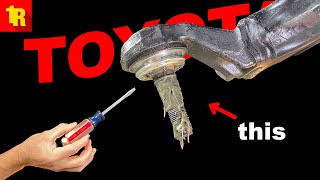
- The lower ball joint is the primary wear item for the 2004-2010 4Runner front suspension.
- Symptoms include clunking noises, loose steering, and uneven tire wear.
- OEM Toyota parts are considered the best quality, but premium aftermarket brands are a viable alternative.
- Replacement is a difficult DIY job requiring a ball joint press; a professional alignment is mandatory afterward.
Is Your 4Runner's Steering Feeling Loose? It Could Be the Ball Joints
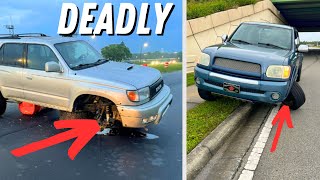
If you're noticing clunking sounds from the front suspension, sloppy steering, or uneven tire wear, your 4Runner's lower ball joints may be worn out. These are common symptoms that indicate the ball-and-socket joint has developed excessive play from wear and tear. While the 4th Gen 4Runner doesn't suffer from the same type of sudden, catastrophic ball joint failures as the 3rd Gen, ignoring the warning signs can still lead to a dangerous situation where the wheel could separate from the suspension.
🎬 Watch why these ball joint failures can be so dangerousSymptoms of a Failing Ball Joint on a 2004-2010 4Runner:
- Clunking or Knocking Noises: A clunking sound, especially when going over bumps or making turns, is often the first sign of a bad ball joint. This is caused by the worn ball moving excessively inside its socket.
- Vague or Sloppy Steering: If your steering feels less responsive or you feel vibrations through the steering wheel, it could be due to play in the ball joints.
- Uneven Tire Wear: Worn ball joints can affect your wheel alignment, causing the inner or outer edges of your front tires to wear down faster than the rest of the tread.
- Visible Looseness: A mechanic can check for failure by jacking up the front of the vehicle and attempting to move the wheel. Any significant play indicates a worn joint.
A Note on Recalls
There was a significant recall (NHTSA Campaign ID: 05V225000) for front lower ball joints on some 2001-2002 4Runner models due to a manufacturing defect. While this recall primarily affected earlier models, it highlights the importance of this component. Some early 2004 models were also included in related investigations. It's always wise to check if your specific vehicle has any open recalls.
Choosing the Right Aftermarket Ball Joint
For the 4th Gen 4Runner, many owners agree that the original equipment (OEM) Toyota ball joints are the highest quality and most durable option. However, they can be expensive, and Toyota dealers may insist on replacing the entire lower control arm, not just the ball joint. Aftermarket parts offer a more affordable solution, but quality can vary significantly.
Aftermarket Brand Tiers for Your 4Runner
When shopping for aftermarket ball joints, it's helpful to think in terms of quality tiers:
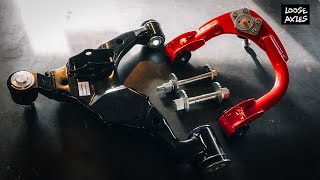
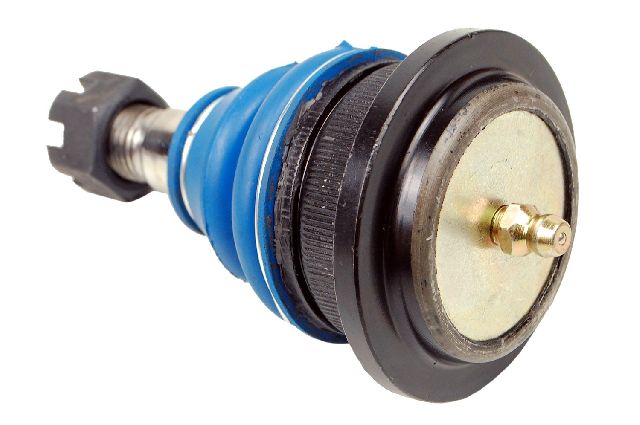
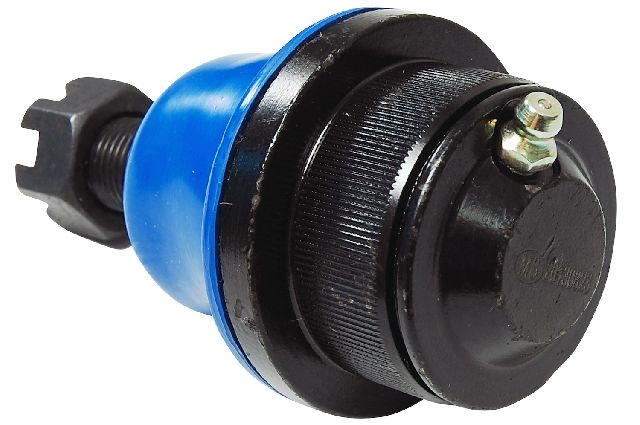
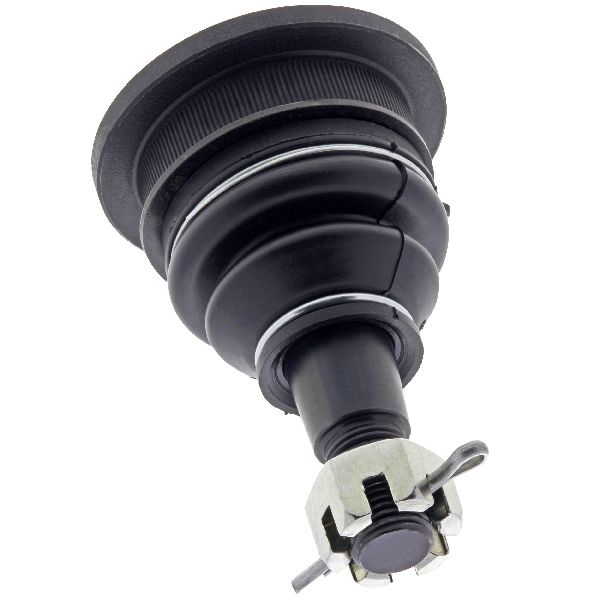
- Premium / Heavy-Duty (Best for Off-Road & Longevity): Brands like ICON Vehicle Dynamics offer specialized components like their Delta Joint, designed for lifted and off-road applications. Mevotech's TTX line is also engineered for heavy-duty use. Moog's "Problem Solver" line is often considered a top-tier aftermarket choice, though some forum users have reported mixed results in recent years 🎬 See a comparison of the best aftermarket ball joint options compared to their older reputation.
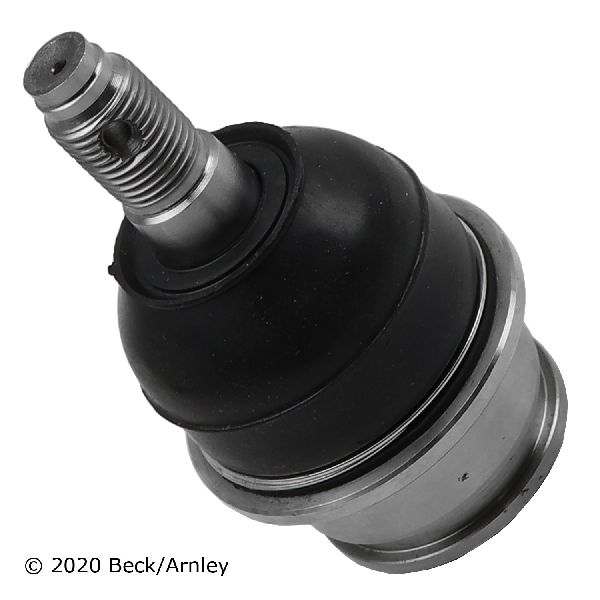
- OEM-Equivalent / Standard (Good for Daily Driving): Brands like Beck Arnley and Delphi aim to provide quality that meets or exceeds original factory specifications. These are solid choices for a daily driven 4Runner that sees mainly on-road use.
- Value / Economy (Budget-Friendly): Brands such as Dorman, QuickSteer, Suspensia, and Skyward offer cost-effective replacements. While functional, they may not have the same long-term durability as premium or OEM parts, especially under harsh conditions.
Cost of Replacing 4Runner Ball Joints
The total cost depends on the parts you choose and who does the work. Replacing just the ball joint is cheaper in parts but requires more labor than replacing the entire control arm assembly.
| Item | Estimated Cost |
|---|---|
| New Aftermarket Ball Joint | $21 - $333 |
| New OEM Ball Joint (Part Only) | $157 - $427 |
| Shop Labor | $177 - $259 per side |
| Total Professional Replacement (Aftermarket) | $250 - $500 per side |
| Total Professional Replacement (OEM) | $334 - $686 per side |
Note: Costs are estimates and can vary by location and the specific parts chosen. An alignment is required after replacement.
Frequently Asked Questions (FAQ)
Do I need to replace the upper ball joint at the same time?
On the 2004-2010 4Runner, the upper ball joint is an integrated part of the upper control arm and is not separately replaceable with OEM parts. It typically lasts much longer than the lower ball joint. You only need to replace the upper control arm if the upper ball joint shows signs of wear or if you are upgrading your suspension.
Should I replace ball joints in pairs?
Yes. Ball joints on both sides of the vehicle experience similar wear. If one has failed, the other is likely not far behind. Replacing them in pairs ensures balanced handling and saves you from having to do the same job twice in the near future.
Is a wheel alignment necessary after replacing ball joints?
Absolutely. Replacing a ball joint will alter your vehicle's suspension geometry. A full front-end alignment is required to ensure proper handling, prevent premature tire wear, and ensure the vehicle drives straight.
Can I replace a 4Runner ball joint myself?
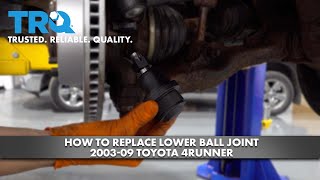
This is a job for an experienced DIY mechanic. The lower ball joints are press-fit, requiring a ball joint press for removal and installation. Seized lower control arm cam bolts can also turn this into a much more difficult job requiring cutting tools. If you are not comfortable with these tasks, it is best to leave this job to a professional mechanic.
Helpful Videos
Technical Specifications
OEM Part Numbers: 43330-39575 43340-39475 43330-39415 43340-39455
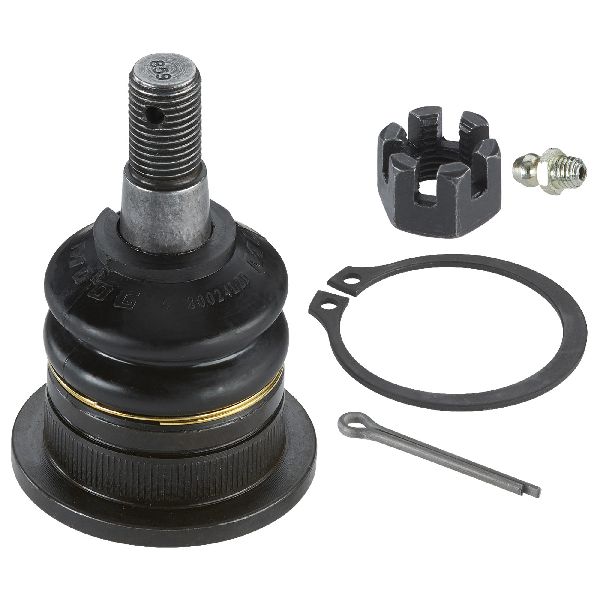
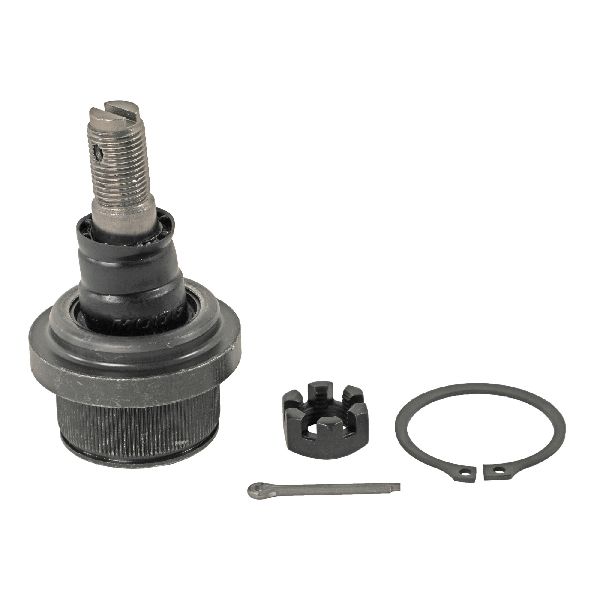
The 4th Generation 4Runner uses a press-in lower ball joint. The upper ball joint is integrated into the upper control arm and is not serviced separately with OEM parts.
We Have This Part in Stock

The information in this article is provided for general reference and educational purposes only. Vehicle specifications, procedures, and part compatibility can vary by production date, trim level, and region. Always consult your vehicle's factory service manual and verify part numbers before purchasing or performing repairs. Safety-critical components such as airbags, seat belts, and braking systems should be installed by a qualified professional.
- Toyota 4Runner:
- 🎬 Helpful Videos
- 🛍️ Shop This Part
- Is Your 4Runner's Steering Feeling Loose? It Could Be the Ball Joints
- Symptoms of a Failing Ball Joint on a 2004-2010 4Runner:
- A Note on Recalls
- Choosing the Right Aftermarket Ball Joint
- Aftermarket Brand Tiers for Your 4Runner
- Cost of Replacing 4Runner Ball Joints
- Frequently Asked Questions (FAQ)
- 🎟️ Get 5% Off