

Dodge Charger Engine Coolant Temperature Sensor: A Complete Guide (2006-2011)
Understanding the Engine Coolant Temperature Sensor in your first-generation Dodge Charger.
- A failing ECT sensor commonly causes a Check Engine Light, poor fuel economy, and potential overheating.
- This is a simple and inexpensive DIY repair for most owners; just be sure to work on a cold engine.
- Many original sensors were plastic and can break on removal; more durable brass aftermarket options are available.
- For this part, premium aftermarket brands like Delphi or NGK offer a reliable alternative to the more expensive Mopar part.
Understanding Your Charger's Coolant Temp Sensor
The Engine Coolant Temperature (ECT) sensor in a 2006-2011 Dodge Charger is a critical component for engine health. It tells the car's computer how hot the engine is. This information influences everything from how much fuel to inject, to when the radiator fans kick on. When this sensor fails, it can lead to a variety of noticeable problems, from poor performance to serious engine issues. The first-generation Dodge Charger (2006-2010) and the early second-generation model (2011) rely on this sensor for efficient operation across all engine types, including the 2.7L V6, 3.5L V6, 5.7L HEMI V8, and 6.1L SRT8 V8.
Symptoms of a Failing ECT Sensor
A bad coolant temperature sensor can make your Charger behave erratically. Here are the most common signs that your sensor may be failing:
- Check Engine Light: This is often the first sign. The car's computer detects a signal from the sensor that is outside its normal range and triggers a warning light. Common trouble codes include P0117 (circuit low) and P0118 (circuit high).
- Poor Fuel Economy: If the sensor incorrectly tells the computer the engine is cold, the computer will enrich the fuel mixture, causing you to use more gas than necessary.
- Engine Overheating: A faulty sensor might fail to signal the computer to turn on the cooling fans when the engine gets hot, leading to overheating.
- Black Smoke from Exhaust: A rich fuel mixture caused by a bad sensor can result in unburned fuel entering the exhaust, producing black smoke.
- Rough Idle and Poor Performance: With incorrect temperature data, the engine's timing and fuel-to-air ratio can be thrown off, leading to a rough idle, hesitation, or a general lack of power.
A Note on OEM Plastic Sensors
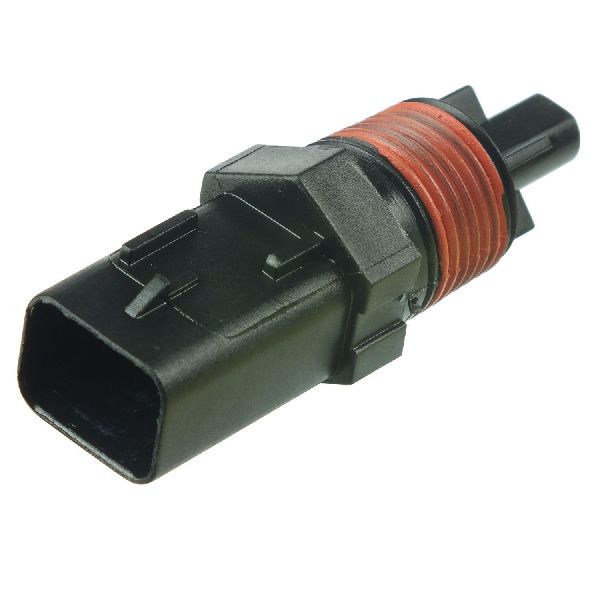
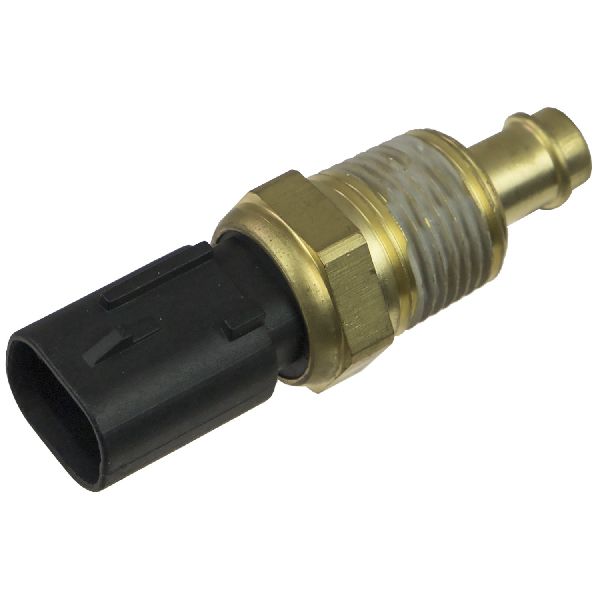
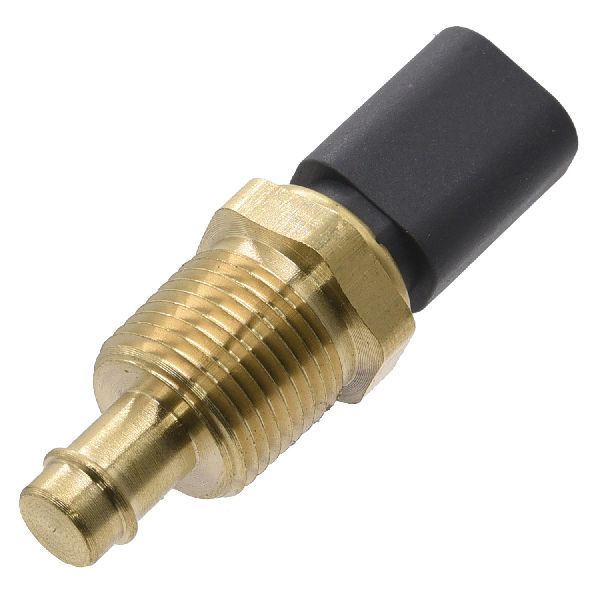
Some original Mopar sensors from this era were made entirely of plastic. These are known to become brittle and can break during removal. Many aftermarket replacements are made of brass, which is more durable. If you are replacing an original plastic sensor, be prepared for it to potentially break.
Choosing the Right Aftermarket Part: OEM vs. Aftermarket
When replacing your Charger's ECT sensor, you have a choice between OEM (Mopar) and various aftermarket brands.
- Mopar (OEM): This is the original part your vehicle came with. It guarantees a perfect fit and function but is typically the most expensive option.
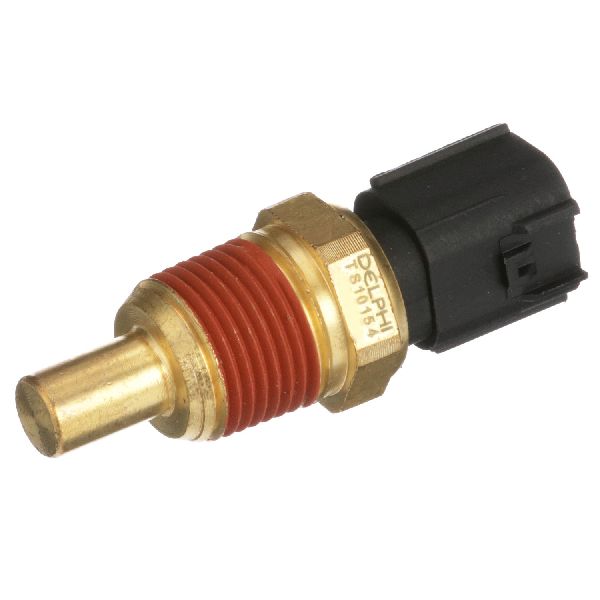
- Premium Aftermarket (e.g., Delphi, NGK, Standard Ignition): These brands often manufacture parts for the original automakers and have a strong reputation for quality that meets or exceeds OE specifications. They offer a great balance of price and reliability.
- Value Aftermarket (e.g., Dorman, Walker Products, True Tech): These brands provide a cost-effective solution. While Dorman is known for creating improved designs, like metal thermostat housings to replace plastic ones, the quality of some electronic sensors can be inconsistent compared to premium brands. However, for a simple and common part like an ECT sensor, they are often a perfectly adequate choice for most drivers.
| Tier | Brands | General Assessment |
|---|---|---|
| OEM | Mopar | Highest price, guaranteed fit and quality. |
| Premium Aftermarket | Delphi, NGK, Standard Ignition, Beck Arnley | Excellent quality, often OE suppliers, trusted reliability. |
| Standard Aftermarket | Dorman, Holstein, Crown Automotive | Good value, widely available. Quality is generally reliable for this part. |
| Economy Aftermarket | Global Parts, True Tech, Motorad | Most budget-friendly, suitable for basic repairs where cost is the primary concern. |
Frequently Asked Questions (FAQ)
Where is the ECT sensor located on my 2006-2011 Dodge Charger?
The location varies slightly by engine. For the 5.7L HEMI V8, it is typically found on the front of the engine, near the thermostat housing, underneath the air intake tube. For the 3.5L V6, it is usually located on the lower intake manifold, just below the upper radiator hose connection. Always confirm the location for your specific engine before starting.
Can I replace the ECT sensor myself?
Yes, this is a DIY-friendly job for most home mechanics. The process involves letting the engine cool completely, partially draining the coolant, unplugging the electrical connector, unscrewing the old sensor, and installing the new one. The difficulty is generally low, requiring basic hand tools.
What happens if I ignore a bad ECT sensor?
Ignoring a faulty ECT sensor can lead to more significant problems. Persistently running a rich fuel mixture wastes gas and can damage your catalytic converter over time. More critically, if the sensor fails to detect an overheating engine, it can lead to severe and expensive engine damage like a warped cylinder head.
Is there a recall on the ECT sensor for the Dodge Charger?
As of late 2025, there are no specific recalls issued by the NHTSA for the engine coolant temperature sensor on 2006-2011 Dodge Chargers. However, it's always a good practice to check for any Technical Service Bulletins (TSBs) that may relate to cooling system issues.
Technical Specifications
OEM Part Numbers: 5149077AB
Typically a 2-pin, threaded thermistor sensor. The original Mopar part was often plastic, while many aftermarket replacements are brass.
We Have This Part in Stock


The information in this article is provided for general reference and educational purposes only. Vehicle specifications, procedures, and part compatibility can vary by production date, trim level, and region. Always consult your vehicle's factory service manual and verify part numbers before purchasing or performing repairs. Safety-critical components such as airbags, seat belts, and braking systems should be installed by a qualified professional.
- Dodge Charger: