

Dodge Charger Steering Tie Rod End Guide (2004-2011)
Fix your Charger's loose steering and clunking noises by choosing the right replacement tie rod ends.
- Symptoms of a bad tie rod on a Charger include loose steering, clunking noises, steering wheel vibration, and uneven tire wear.
- The front suspension on the 2004-2011 Charger is a known wear area; inspect other components like tension struts when replacing tie rods.
- Premium aftermarket brands like Mevotech Supreme, Moog Problem Solver, and Delphi can offer better-than-OEM quality and features.
- A professional wheel alignment is absolutely mandatory after replacing any tie rod end to prevent unsafe handling and rapid tire wear.
Is Your Charger's Steering Feeling Off?
If your 2004-2011 Dodge Charger is starting to feel less responsive, makes strange noises when you turn, or wanders on the highway, there's a good chance your tie rod ends are worn out. These parts take a lot of abuse, especially on a heavy, rear-wheel-drive car like the Charger. This guide will help you understand the symptoms, choose the right aftermarket replacement, and know what to expect for costs.
Common Failure Symptoms
Worn tie rods aren't just annoying; they are a serious safety issue. If a tie rod end fails completely, you can lose steering control of that wheel. Look out for these warning signs:
- Loose or Shaky Steering: A feeling of excessive play or a "dead spot" in the steering wheel. Your car might feel like it's wandering on the road, requiring constant small corrections to stay straight.
- Clunking or Popping Noises: You may hear a distinct clunk, pop, or knocking sound from the front end, especially during low-speed turns like pulling into a parking spot.
- Steering Wheel Vibration: A shimmy or vibration that you can feel in the steering wheel, which often gets worse as you increase speed.
- Uneven Tire Wear: Inspect your front tires. If the inside or outside edges are wearing down much faster than the rest of the tread, it's a classic sign of a bad tie rod and a bad alignment.
Known Issues for 2004-2011 Dodge Chargers
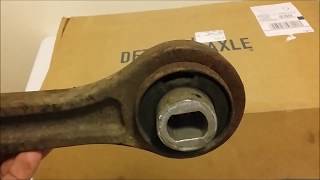
While no specific recalls or widespread Technical Service Bulletins (TSBs) exist for steering tie rods on the 2004-2011 Charger, the front suspension on the LX platform (which includes the Charger, Magnum, and 300) is known for wearing out. Owners frequently report a "front end clunk" that can be caused by tie rods, but also by other components like tension struts or sway bar bushings. If you're 🎬 Watch this video to understand common front end clunks. replacing tie rods, it's a good idea to inspect the rest of the front-end components at the same time.
Choosing the Right Aftermarket Tie Rod End
You don't need to buy expensive OEM Mopar parts to get your Charger's steering back in shape. Many aftermarket brands offer excellent quality, sometimes with improvements over the original design, like grease fittings for longer life. Here’s how the brands generally stack up:
Tier 1: Premium & Heavy-Duty
These brands are often considered equal to or better than the original Mopar parts. They are the best choice for high-mileage vehicles, performance driving, or if you simply want the longest-lasting parts.
- Moog (Problem Solver Series): Historically a top choice for professional mechanics, Moog's Problem Solver line is known for being durable. While some users feel the overall brand quality has slipped in recent years, their premium parts are still a solid choice and often include greaseable fittings.
- Mevotech (Supreme or TTX Series): Mevotech has become a strong competitor, with many mechanics and users praising their Supreme and TTX lines for durability and build quality. They often feature all-metal construction and are built to handle the stress of heavy vehicles.
- ACDelco (Professional Series): ACDelco's Professional line is their premium offering, designed for durability and performance that meets or exceeds OEM standards. Don't confuse this with their budget "Advantage" line.
- Delphi: A well-respected OEM supplier, Delphi parts are known for their quality and are considered a safe, reliable choice by many Charger owners.
Tier 2: Standard Replacement
These brands are great for a daily driver under normal conditions. They offer a good balance of quality and price.
- QuickSteer: A reliable brand that provides good quality for the price.
- Dorman: Known for making a wide variety of aftermarket parts, Dorman offers a dependable standard replacement option.
- Crown Automotive: Specializing in Chrysler, Dodge, and Jeep parts, Crown offers parts designed to be direct OE-style replacements.
Tier 3: Economy
These brands meet the basic requirements and can be a good option if your budget is the main concern. They are functional but may not have the same longevity as premium brands.
- Suspensia
- Skyward
- MAS Industries
Pro Tip: Inner vs. Outer Tie Rods
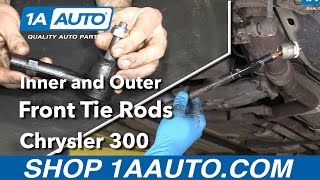
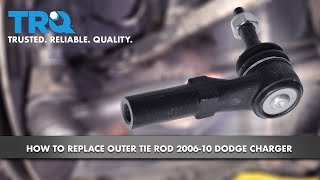
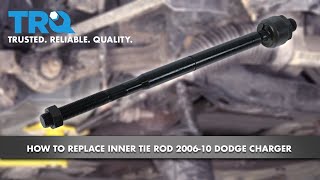
Your Charger has both inner and outer tie rod ends on each side. The outer tie rod is the part that connects directly to the steering knuckle and is the most common to fail. The 🎬 See this walkthrough on replacing your outer tie rod ends. inner tie rod connects to the steering rack and is protected by a rubber boot. If the 🎬 Watch: How to replace the inner tie rods on your Charger. boot tears, the inner joint will fail quickly. It's often a good idea to replace them in pairs (inner and outer) on the side that is failing, or to replace all four at once for a complete steering refresh.
Estimated Replacement Costs
The cost to replace a tie rod end depends on whether you do it yourself and which parts you buy. Remember, you MUST get a professional wheel alignment after replacing tie rod ends, which adds to the total cost.
| Item | Estimated Cost |
|---|---|
| Aftermarket Outer Tie Rod End (1) | $15 - $116 |
| Shop Labor (per side) | $100 - $200 |
| Wheel Alignment | $80 - $150 |
| Total (DIY + Alignment) | $95 - $266 (per side) |
| Total (Shop Installed) | $195 - $466 (per side) |
Frequently Asked Questions
Do I need to replace both the left and right tie rods at the same time?
You don't have to, but it's generally recommended. If one side has failed due to age and mileage, the other side is likely not far behind. Replacing them in pairs ensures even steering response and saves you from having to get a second alignment done a few months later.
What is the difference between an inner and outer tie rod end?
The outer tie rod end connects the steering linkage to the steering knuckle at the wheel. The inner tie rod end connects the steering linkage to the steering rack, closer to the center of the car. The inner tie rod is covered by a flexible rubber boot.
Can I drive my Charger with a bad tie rod end?
It is not recommended. While the car may be drivable in the early stages of wear, a worn tie rod makes the vehicle unsafe. It can cause unpredictable steering, and if the joint separates completely, you will lose all steering control for that wheel, which could cause a serious accident.
Why is a wheel alignment required after replacing tie rods?
Replacing a tie rod end will always change the front wheels' "toe" angle. Driving without an alignment will cause the car to pull to one side, handle poorly, and will destroy your front tires in a very short amount of time. Counting the threads on the old part can get you close enough to drive to the alignment shop, but it is not a substitute for a professional alignment.
Helpful Videos
Technical Specifications
OEM Part Numbers: 5180606AA 5180607AA 68028355AA 68028356AA
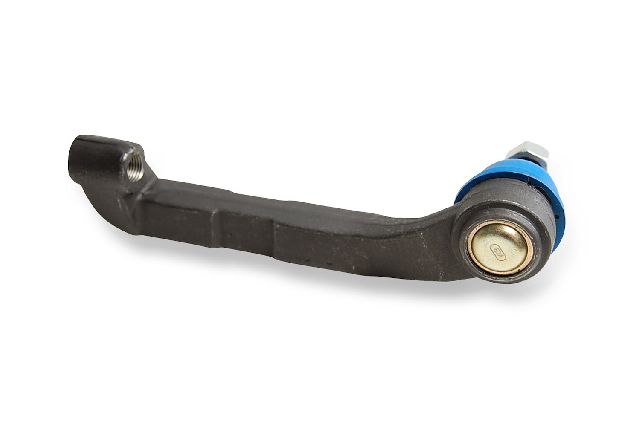
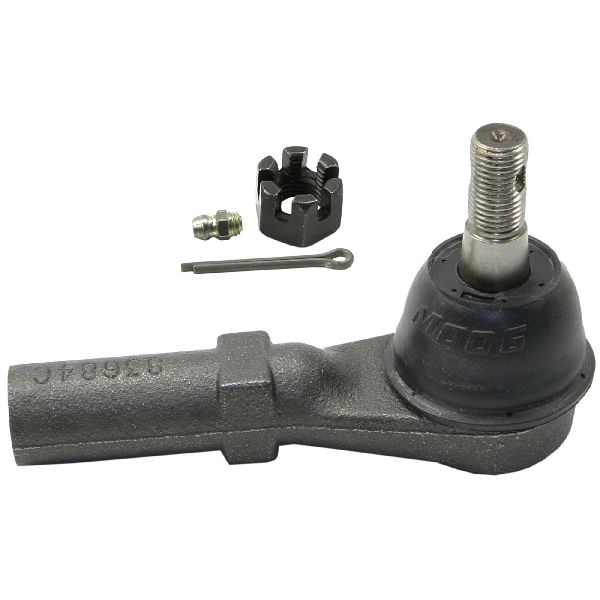
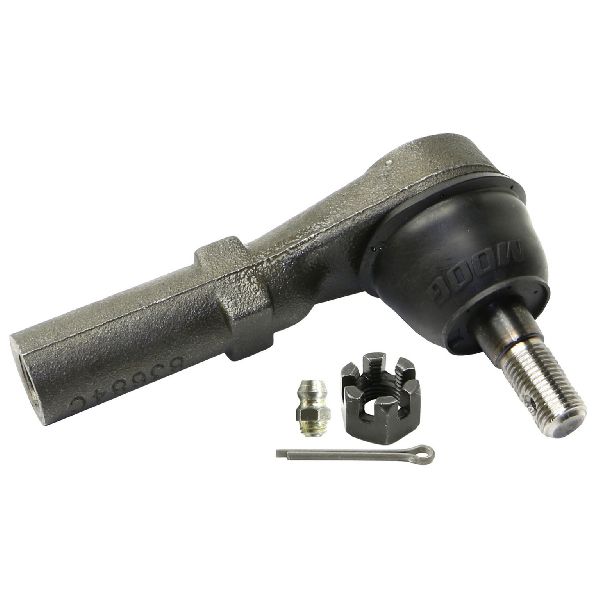
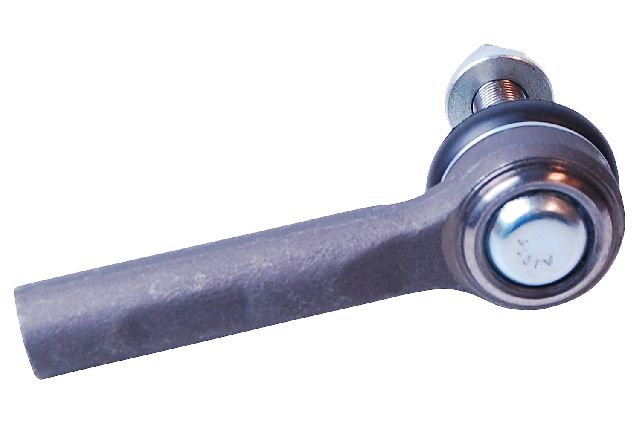
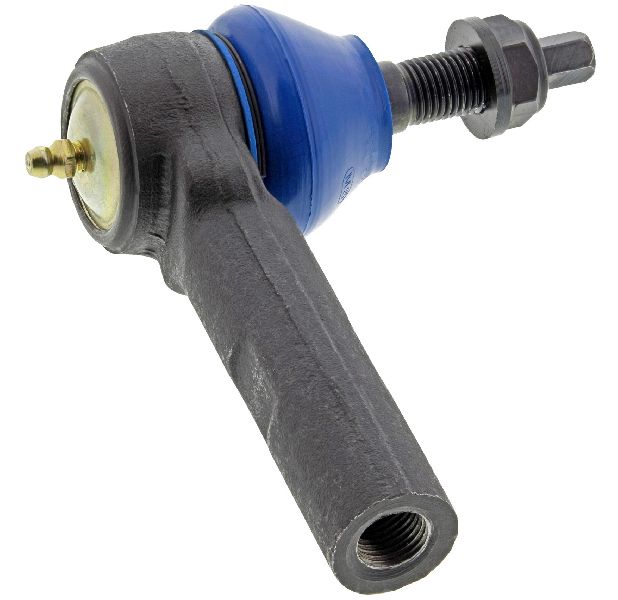
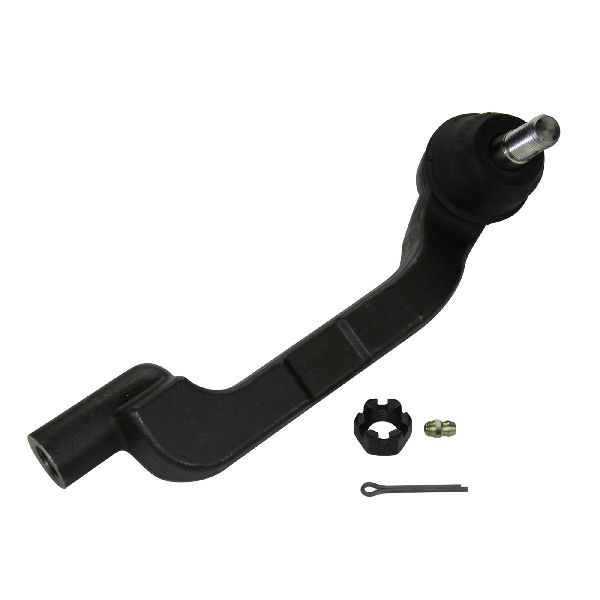
The 2004-2011 Dodge Charger uses a front steering linkage with separate inner and outer tie rod ends for each front wheel. The outer tie rod end connects to the steering knuckle via a tapered ball stud. An alignment is required after replacement.
We Have This Part in Stock

The information in this article is provided for general reference and educational purposes only. Vehicle specifications, procedures, and part compatibility can vary by production date, trim level, and region. Always consult your vehicle's factory service manual and verify part numbers before purchasing or performing repairs. Safety-critical components such as airbags, seat belts, and braking systems should be installed by a qualified professional.
- Dodge Charger:
- 🎬 Helpful Videos
- 🛍️ Shop This Part
- Is Your Charger's Steering Feeling Off?
- Common Failure Symptoms
- Known Issues for 2004-2011 Dodge Chargers
- Choosing the Right Aftermarket Tie Rod End
- Tier 1: Premium & Heavy-Duty
- Tier 2: Standard Replacement
- Tier 3: Economy
- Pro Tip: Inner vs. Outer Tie Rods
- Estimated Replacement Costs
- Frequently Asked Questions
- 🎟️ Get 5% Off