

Dodge Charger Suspension Stabilizer Bar Bushing Replacement Guide (2004-2011)
Eliminate front-end clunks and tighten up the handling on your Charger by replacing worn sway bar bushings.
- A clunking noise from the front end over bumps is the #1 sign of bad sway bar bushings.
- You MUST measure your sway bar's diameter before ordering; Chargers have multiple sizes.
- Choose polyurethane bushings (Energy Suspension, Whiteline) for a performance feel, or quality rubber (Moog, Mevotech) for an OEM-style ride.
- Always use silicone grease on new bushings, especially polyurethane, to prevent squeaks.
Is Your Charger Making a Clunking Noise?
One of the most common complaints from Dodge Charger owners is a clunking, rattling, or knocking sound coming from the front end, especially when driving over bumps or uneven pavement. This noise is often caused by worn-out stabilizer bar bushings. Over time, the original rubber bushings degrade, stretch, or get damaged. This allows the heavy metal sway bar to move and knock against its mounting bracket, creating a sound sometimes described as a "hot dog down the hallway" effect. Ignoring this can lead to sloppy handling, excessive leaning in turns, and uneven tire wear.
Measure Before You Buy!
The 2004-2011 Dodge Charger and its platform mates (Magnum, 300) were equipped with several different front sway bar sizes, commonly 27mm or 30mm in diameter. Ordering the wrong size bushing is a frequent mistake and will not solve your noise problem. Use a caliper or an adjustable wrench and a ruler to measure the diameter of your sway bar before purchasing a new kit.
Choosing the Right Aftermarket Bushing Kit
When shopping for new stabilizer bar bushings, you have two main material choices: standard rubber or performance polyurethane. Neither is universally "better"; the right choice depends on your driving style and goals.
Tier 1: Performance Polyurethane (Energy Suspension, Whiteline, Prothane)
Polyurethane is a harder, more durable material than the factory rubber. Choosing a polyurethane kit is considered a performance upgrade.
- Pros: Sharper handling, less body roll, and a more connected feel. The bushings hold the sway bar more firmly, making the suspension more responsive. They are also highly resistant to oil, road grime, and wear.
- Cons: Can transmit more noise and vibration into the car, resulting in a firmer or harsher ride. They absolutely must be installed with a compatible silicone-based grease (usually included) to prevent persistent squeaking.
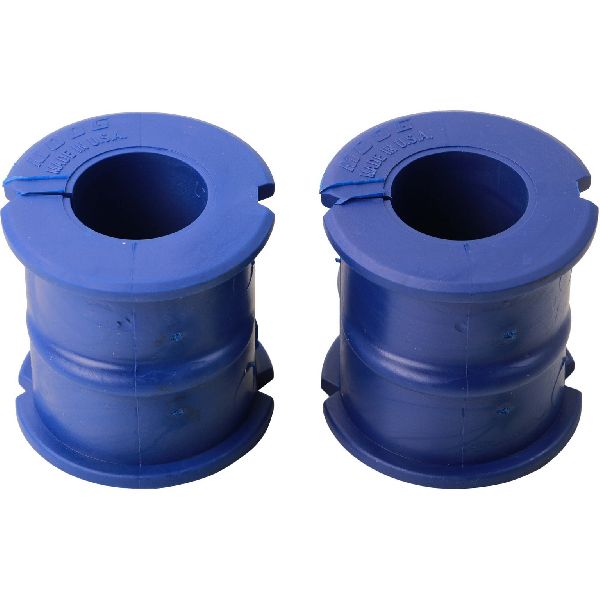
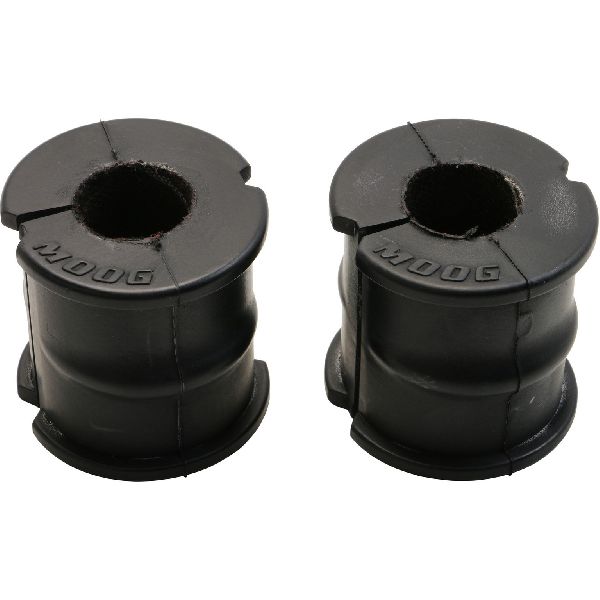
Tier 2: OEM-Style Rubber (Moog, Mevotech, Delphi)
These brands offer direct replacements for the original rubber bushings. They are designed to restore the factory ride quality and performance.
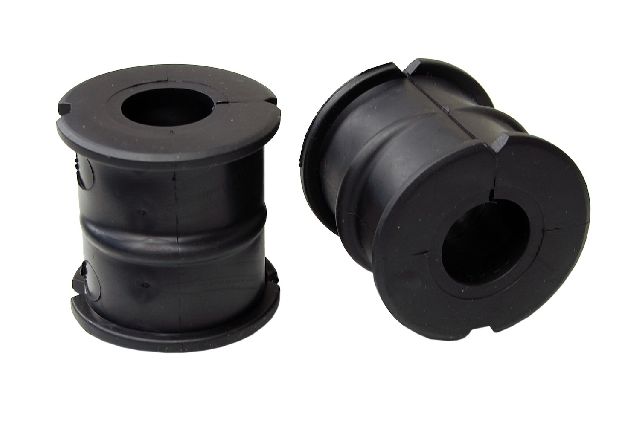
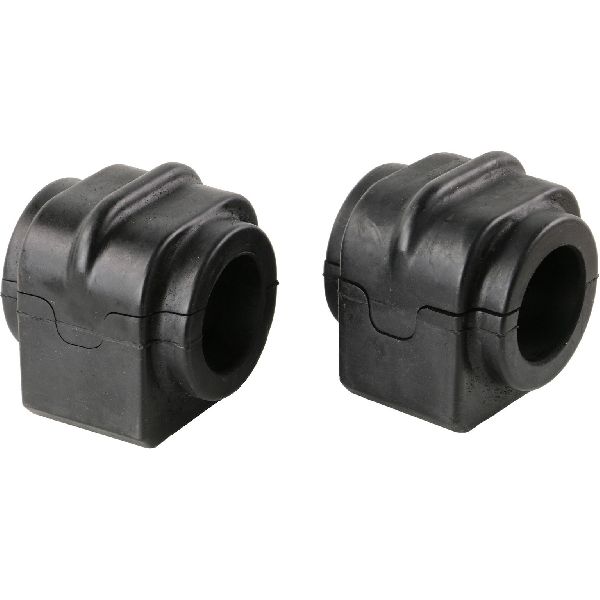
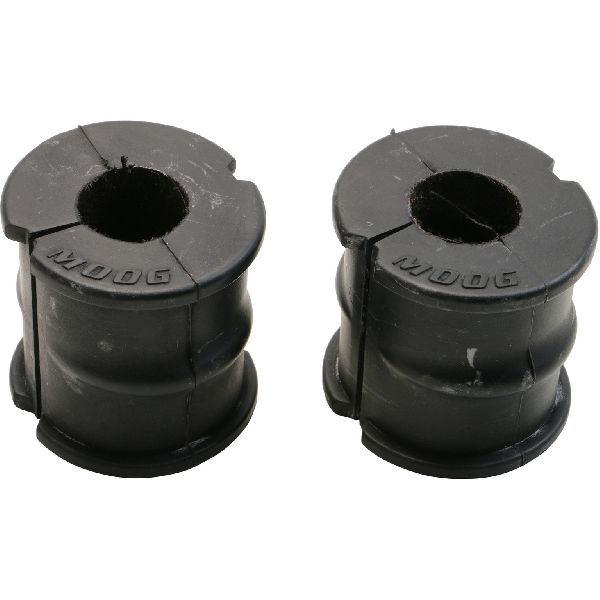
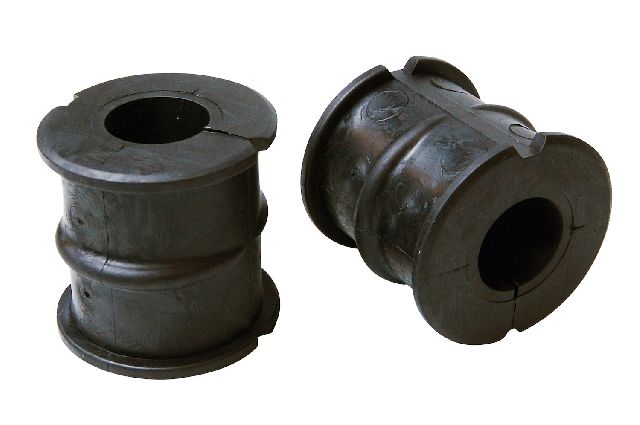
- Pros: Provides a comfortable, quiet ride similar to when the car was new. Many kits, like those from Moog, feature a split design that makes installation easier than with solid OEM parts.
- Cons: Rubber is not as durable as polyurethane and will eventually wear out again over time.
Tier 3: Budget-Friendly (Dorman, QuickSteer, Skyward)
These brands provide an affordable solution to fix worn-out bushings and eliminate noise. They are a good choice if your primary goal is to solve the clunking sound on a budget.
| Part Type | Estimated Cost |
|---|---|
| New Aftermarket Kit | $9.91 - $40.49 |
| New OEM (Mopar) Kit | $30 - $50 |
| Shop Labor | $100 - $200 |
Pro Tip: Replace in Pairs
Stabilizer bar bushings wear at a similar rate. Even if you only hear noise from one side, it's best practice to replace both the driver and passenger side bushings at the same time to ensure balanced handling and prevent having to do the job again in a few months.
Frequently Asked Questions (FAQ)
Do I need any special tools for the replacement?
No, the job can be done with basic hand tools. You will need a jack and jack stands, a socket set (typically 8mm for the heat shield and 15mm or 18mm for the bracket bolts), and a wrench. A torque wrench is recommended for tightening the bolts to factory specifications.
Should I replace the sway bar links at the same time?
It's a good idea to inspect the sway bar links while you are replacing the bushings. The links also have joints that can wear out and cause clunking noises. If they feel loose or the rubber boots are torn, replacing them at the same time is efficient since you are already working in that area.
Why do polyurethane bushings squeak?
Squeaking is the most common issue with polyurethane bushings and it's almost always caused by a lack of proper lubrication during installation. The hard material needs a layer of silicone-based grease between it and the metal sway bar to allow for smooth rotation without noise. Petroleum-based grease can damage the bushings and should not be used.
Are there any recalls for Charger sway bar bushings?
No, there are no active recalls or widespread Technical Service Bulletins (TSBs) from Dodge for stabilizer bar bushings on the 2004-2011 Charger. Bushings are considered a standard wear-and-tear maintenance item.
Technical Specifications
OEM Part Numbers: 68219850AA
Common sway bar diameters include 27mm and 30mm. Part compatibility may vary between RWD and AWD models. The 2006-2010 models are the first generation, while 2011 is the first year of the second generation, so always verify fitment.
We Have This Part in Stock

The information in this article is provided for general reference and educational purposes only. Vehicle specifications, procedures, and part compatibility can vary by production date, trim level, and region. Always consult your vehicle's factory service manual and verify part numbers before purchasing or performing repairs. Safety-critical components such as airbags, seat belts, and braking systems should be installed by a qualified professional.
- Dodge Charger:
- 🛍️ Shop This Part
- Is Your Charger Making a Clunking Noise?
- Measure Before You Buy!
- Choosing the Right Aftermarket Bushing Kit
- Tier 1: Performance Polyurethane (Energy Suspension, Whiteline, Prothane)
- Tier 2: OEM-Style Rubber (Moog, Mevotech, Delphi)
- Tier 3: Budget-Friendly (Dorman, QuickSteer, Skyward)
- Pro Tip: Replace in Pairs
- Frequently Asked Questions (FAQ)
- 🎟️ Get 5% Off