

Dodge Grand Caravan Ignition Knock Sensor Guide (2004-2011)
Is your Grand Caravan running rough or losing power? It might be a bad knock sensor.
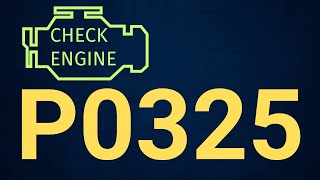
- A bad knock sensor will trigger a P0325 check engine light code and cause poor performance.
- Replacement difficulty varies greatly by engine; 3.6L/4.0L V6 engines require removing the intake manifold.
- Stick with high-quality aftermarket brands like NGK, Delphi, or Standard Ignition for reliability.
- If your engine requires intake removal, you must also replace the intake gaskets.
Is Your Grand Caravan's Knock Sensor Failing?

A bad knock sensor can cause a range of problems, from annoying to serious. When it fails, the engine's computer can no longer tell if the engine is knocking. To be safe, the computer will often default to a 'safe mode.' This usually means reducing engine power and performance to prevent potential damage. You'll feel this as sluggish acceleration and poor throttle response.
Common Symptoms of a Bad Knock Sensor
- Check Engine Light: This is the most common sign. You'll likely see code P0325.
- Poor Acceleration: The van may feel sluggish and slow to respond when you press the gas pedal.
- Reduced Fuel Economy: When the engine isn't running efficiently, it burns more gas.
- Engine Pinging Noise: You might hear a metallic pinging or knocking sound, especially when accelerating or going uphill. This is the sound the sensor is supposed to detect.
- Rough Idle: In some cases, a faulty sensor can contribute to a rough or erratic idle.
Choosing the Right Aftermarket Knock Sensor

When it comes to sensors that manage your engine, quality matters. While an OEM Mopar sensor is always a safe bet, several reputable aftermarket brands offer a great balance of quality and value. Cheap, unproven sensors can fail quickly or be dead-on-arrival, causing you to do the job twice.
Brand Quality Tiers
- Premium Aftermarket (Recommended): Brands like NGK (NTK), Delphi, and Standard Ignition (SMP) are known for making high-quality sensors that often meet or exceed OEM specifications. They are a reliable choice for this critical part.
- Mid-Grade Aftermarket: Brands such as Beck Arnley, Holstein, and Walker Products offer a good middle ground. They are generally dependable and a solid option if premium brands are not available.
- Economy / Store Brands: While the price is tempting, these sensors can be a gamble. Quality control may not be as strict, leading to a higher chance of early failure. Consider these only if budget is the absolute primary concern.
Estimated Cost Comparison
| Part Type | Estimated Cost |
|---|---|
| New OEM (Mopar) | $90 - $195 |
| New Aftermarket | $18 - $88 |
| Shop Labor | $150 - $450+ (Varies by engine) |
Installation Tips & Known Issues

The difficulty of this job depends entirely on your Grand Caravan's engine.
- 3.3L & 3.8L V6 (2004-2010): On these engines, the knock sensor is typically located on the rear side of the engine block, near the firewall. Access can be tight, but it does not usually require removing major components.
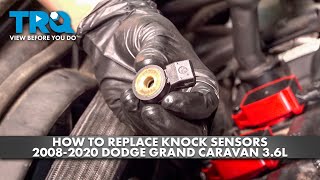
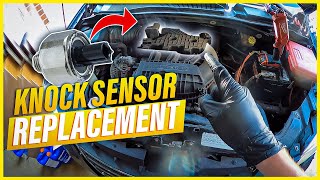
- 4.0L V6 (2008-2010) & 3.6L V6 (2011): This is a more difficult job. On these engines, there are two knock sensors located in the valley of the engine, underneath the upper and lower intake manifolds. To replace them, the entire intake manifold assembly must be removed.
Pro Tip: If you have the 3.6L or 4.0L engine, you MUST replace the intake manifold gaskets when you replace the knock sensors. It's also a good time to clean the throttle body and inspect for any other oil leaks in the area. Always tighten the new knock sensor to the manufacturer's specified torque, as over or under-tightening can cause it to malfunction.
No recalls or specific Technical Service Bulletins (TSBs) from Dodge were found for widespread knock sensor failures on this generation of Grand Caravan.
Frequently Asked Questions

What is engine knock or detonation?
Think of it as a second, uncontrolled explosion inside your engine's cylinder, happening after the normal spark plug firing. This creates a shockwave and a 'ping' or 'knock' sound. It's harmful because it puts extreme stress on internal engine parts like pistons and bearings.
Can I drive with a bad knock sensor?
You can, but it's not recommended for long. The check engine light will prevent you from passing an emissions test. More importantly, your engine's computer is running with a blindfold on, and while it defaults to a safe mode, you're losing performance and fuel economy. If the sensor is bad and your engine develops a real knock, the computer won't know to protect it.
Why is the labor cost so high for some models?
For the 3.6L and 4.0L V6 engines, the sensors are buried under the intake manifold. A mechanic has to spend a significant amount of time removing the intake system to access the sensors, which increases the labor time from under an hour to potentially 2-3 hours.
Will a new knock sensor fix my P0325 code?
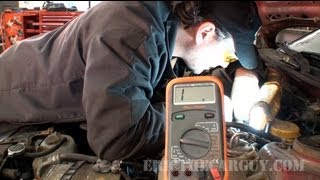
Most of the time, yes. The P0325 code specifically points to a malfunction in the knock sensor circuit. This is usually the sensor itself, but it can also be caused by damaged wiring or a corroded connector. Always inspect the wiring harness leading to the sensor before replacing the part.
Helpful Videos
Technical Specifications
OEM Part Numbers: 5149188AA 5033316AA 56028563AA
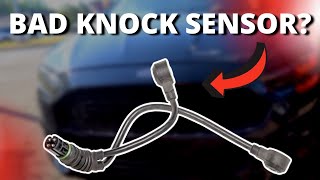
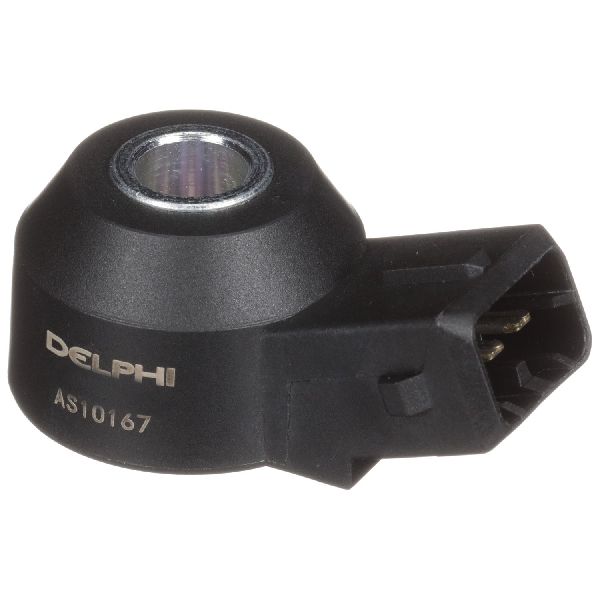
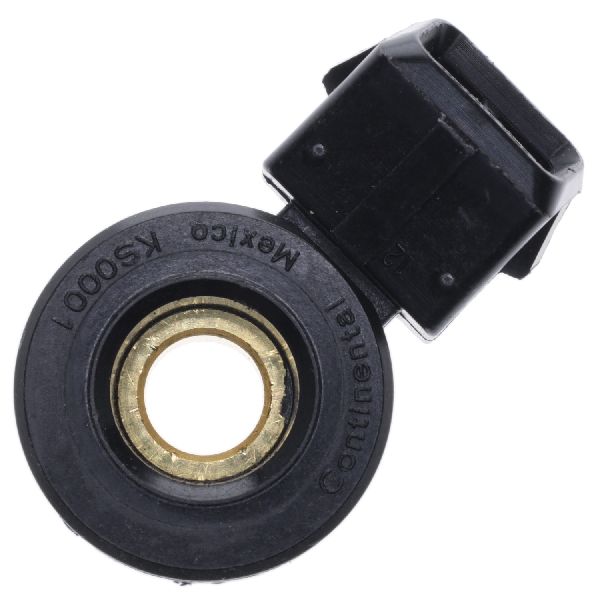
The sensor is a piezoelectric microphone tuned to the specific frequency of engine knock. It is a single-bolt mount design with a 2-pin electrical connector. Torque specification during installation is critical for proper function.
We Have This Part in Stock


The information in this article is provided for general reference and educational purposes only. Vehicle specifications, procedures, and part compatibility can vary by production date, trim level, and region. Always consult your vehicle's factory service manual and verify part numbers before purchasing or performing repairs. Safety-critical components such as airbags, seat belts, and braking systems should be installed by a qualified professional.
- Dodge Grand Caravan: