

Ford E-350 Super Duty (2004-2011) A/C Compressor Replacement and Diagnosis
Keep your work van's A/C running cold by understanding common compressor problems and choosing the right replacement part.
- A failed compressor can contaminate the entire A/C system ('Black Death'), requiring replacement of multiple parts, not just the compressor.
- Always replace the accumulator/drier and orifice tube/expansion valve with the compressor to prevent premature failure of the new unit.
- A seized compressor can break the serpentine belt, disabling the van by cutting power to the alternator and power steering.
- Due to tight engine bay access and the need for special tools for handling refrigerant, this repair is best left to a professional.
Signs of a Failing A/C Compressor in Your E-350
When the A/C compressor in your 2004-2011 Ford E-350 Super Duty starts to fail, the signs are usually hard to ignore. Being aware of them can help you diagnose the problem before it causes more damage.
- Warm Air From Vents: This is the most common symptom. If the refrigerant is properly charged but the air is still warm, the compressor may not be building enough pressure.
- Loud Noises: Grinding, squealing, or rattling sounds from the engine bay when you turn on the A/C point to failing internal components, like bearings or the clutch.
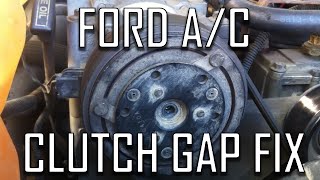
- Clutch Doesn't Engage: The compressor's clutch makes a 'click' when the A/C is turned on. If you don't hear this click and the front plate of the pulley isn't spinning, the clutch or the compressor itself may be faulty. 🎬 Watch: How to diagnose and fix a Ford A/C clutch air gap.
- Visible Leaks: The compressor contains seals that can fail over time. You might see an oily, grimy residue on the compressor body, which is a mix of refrigerant oil and dirt.
- Seized Pulley and Broken Belt: In a worst-case scenario, the compressor can seize internally. This stops the pulley from turning and can shred the serpentine belt, causing a loss of power steering and the alternator, making the van undrivable.
Warning: Catastrophic Failure and 'Black Death'
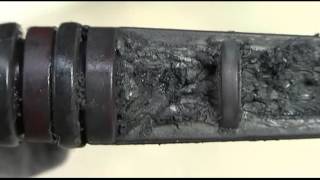
Older Ford A/C systems are known for a catastrophic failure called 'Black Death'. This happens when the compressor's internal parts disintegrate, sending a thick, black sludge of metal shavings and burnt oil through the entire A/C system. If this occurs, simply installing a new compressor is not enough; the contamination will destroy the new part almost immediately.
To fix this properly, you MUST replace the compressor, the accumulator/drier, and the orifice tube/expansion valve, and thoroughly flush the evaporator and all lines. Because condensers have many small passages, they are nearly impossible to flush effectively and should also be replaced to prevent repeat failure.
🎬 See this detailed explanation of Black Death and how to fix it.Choosing a New Aftermarket A/C Compressor
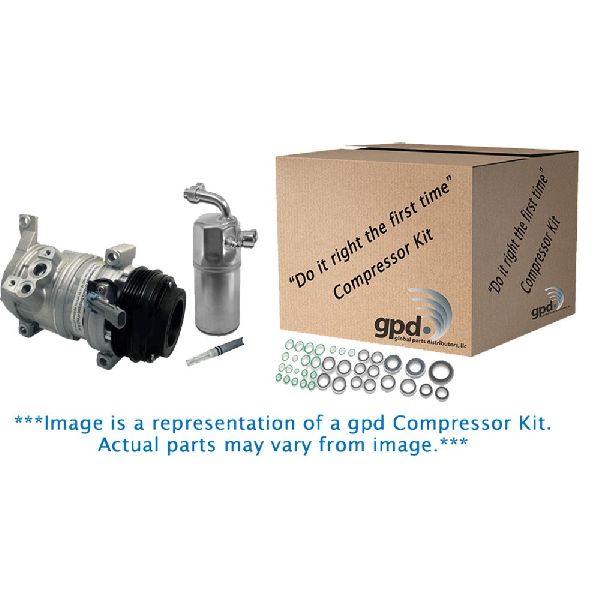
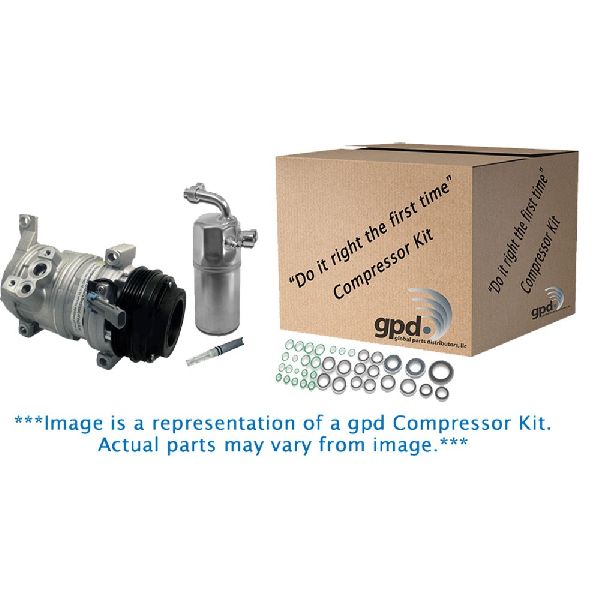
When replacing the A/C compressor on your E-350, you have several options. While an OEM part from the dealer is an option, quality aftermarket parts can offer a good balance of performance and value. It is highly recommended to purchase a kit that includes the compressor, accumulator/drier, orifice tube/expansion valve, and new seals.
- Valeo: Valeo is a well-known manufacturer that sometimes supplies original parts to automakers. Their aftermarket compressors are generally considered a solid, reliable option.
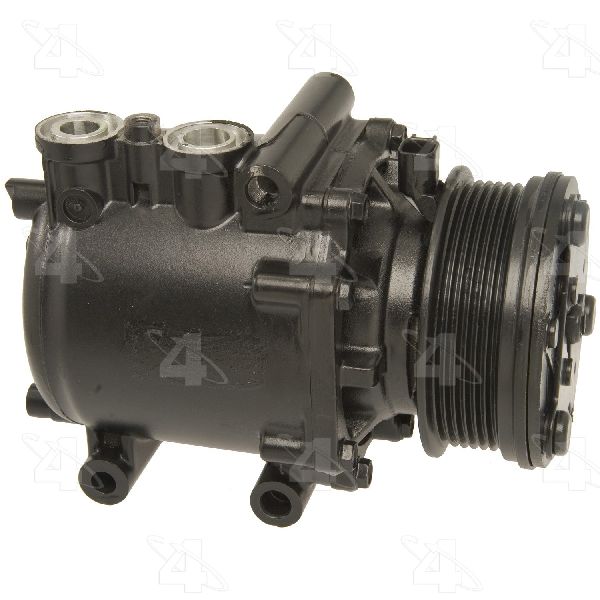
- Four Seasons: As one of the largest aftermarket suppliers, Four Seasons offers both new and remanufactured compressors. Forum discussions suggest that their new units are a safer bet, as remanufactured parts in general can be a gamble.
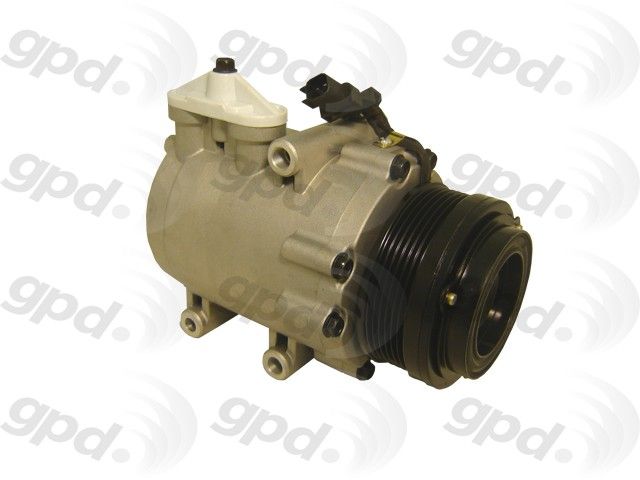
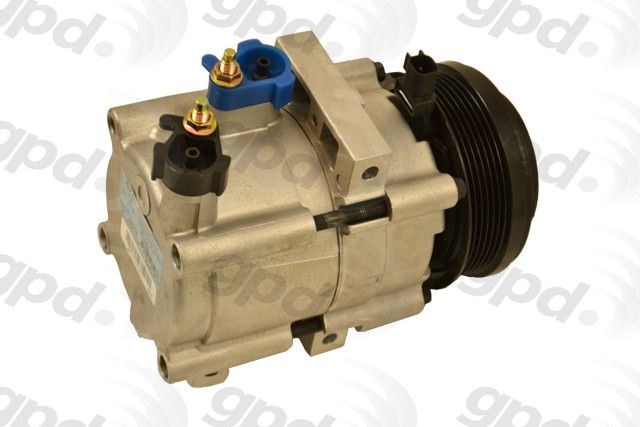
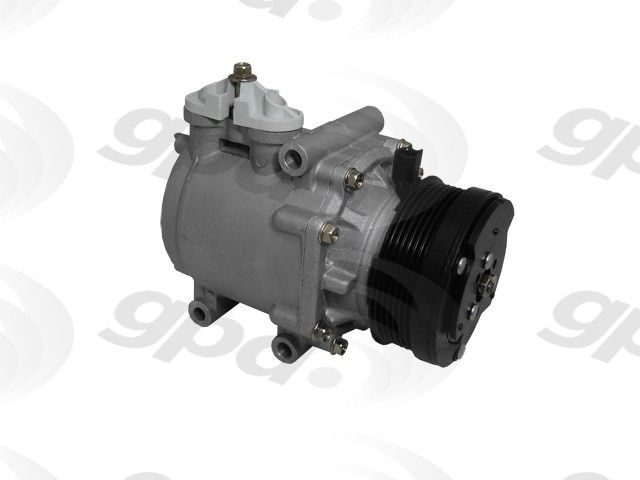
- Global Parts Distributors (GPD): GPD is another popular aftermarket brand that offers complete A/C kits. They are a common choice for shops and DIYers looking for a direct-fit replacement.
Pro Tip: Regardless of the brand you choose, always verify that the new or remanufactured compressor has the correct oil charge before installation. Many compressors ship with only a small amount of assembly oil. You must drain it and add the correct type (PAG 46) and amount of oil specified for your van's A/C system (check if you have rear A/C, as it requires more). Failure to do so will cause premature failure.
A/C Compressor Replacement Cost for Ford E-350 Super Duty
The cost to replace the A/C compressor can vary significantly based on whether you do the work yourself or use a professional shop. The biggest factor in a shop repair is the labor involved in properly flushing the system and replacing all necessary components.
| Component/Service | Estimated Cost |
|---|---|
| New Aftermarket Compressor | $215 - $442 |
| New OEM (Motorcraft) Compressor | $300 - $770 |
| Shop Labor (including system evacuation and recharge) | $215 - $535 |
| Total Professional Replacement (Aftermarket Part) | $818 - $1,084 |
Frequently Asked Questions
Are there any recalls on the 2004-2011 E-350 A/C compressor?
No, searches of the National Highway Traffic Safety Administration (NHTSA) database and other sources did not find any recalls or technical service bulletins (TSBs) specifically for the A/C compressor on the 2004-2011 Ford E-350 Super Duty.
Can I replace just the A/C compressor?
No, you should never replace only the compressor. To ensure the new compressor lasts and to validate its warranty, you must also replace the accumulator/drier and the orifice tube (or expansion valve). These parts filter moisture and debris, and failing to replace them will lead to the quick failure of your new compressor.
Is replacing the A/C compressor a DIY job?
This is an advanced DIY job. While the physical replacement is possible, it requires special tools like a refrigerant recovery machine (legally required), a vacuum pump, and manifold gauges. Access in the E-350 engine bay is also very tight, sometimes requiring the engine to be slightly lifted to remove the compressor bolts. For most owners, this job is best left to a professional.
🎬 Watch: Full walkthrough of a compressor and rear expansion valve replacement.My A/C works for a little while after a recharge, then stops. Is it the compressor?
This is a classic symptom of a refrigerant leak. The compressor itself is a common source of leaks from its body seals or shaft seal. While the compressor might be the cause, the leak could also be in a hose, connection, or the condenser. A technician can add a UV dye to the system to pinpoint the exact source of the leak.
Helpful Videos
Technical Specifications
OEM Part Numbers: 8C2Z-19703CA
The 2004-2011 Ford E-350 Super Duty typically uses an FS-20 style piston compressor with a 6 or 8-groove serpentine belt pulley. The system uses R-134a refrigerant and PAG 46 compressor oil. Always verify the specific part number and pulley type for your vehicle's engine and model year.
We Have This Part in Stock

The information in this article is provided for general reference and educational purposes only. Vehicle specifications, procedures, and part compatibility can vary by production date, trim level, and region. Always consult your vehicle's factory service manual and verify part numbers before purchasing or performing repairs. Safety-critical components such as airbags, seat belts, and braking systems should be installed by a qualified professional.
- Ford E-350 Super Duty: