

A Guide to the Fuel Pressure Sensor for the 2004-2011 Ford Explorer
Solve stalling, hard starts, and poor performance by understanding and choosing the right fuel pressure sensor for your Explorer.
- Confirm your Explorer's model year (2004-05, 2006-10, or 2011) before buying, as the part and repair job are very different.
- On 2006-2010 models, the sensor is under the intake manifold, making replacement a difficult, labor-intensive job.
- Symptoms like stalling and hard starts can also be caused by a bad Fuel Pump Driver Module (FPDM), so proper diagnosis is key.
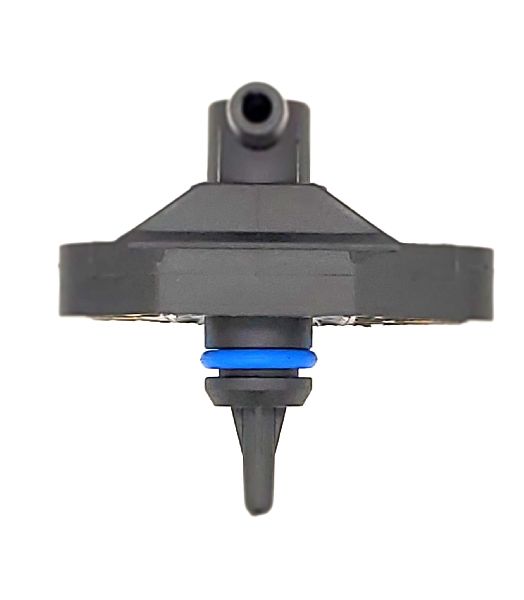
- Check the sensor's vacuum line for raw fuel; its presence is a clear sign the sensor's internal diaphragm has failed.
Understanding Your Explorer's Fuel Pressure Sensor

If your 2004-2011 Ford Explorer is experiencing engine problems, a faulty Fuel Pressure Sensor is a common suspect. This sensor plays a vital role in fuel delivery, and its failure can cause a range of noticeable issues. However, before buying a replacement, it's crucial to understand that the 2004-2011 model years span three different generations of the Explorer, and the part's location and replacement difficulty vary significantly.
Generation Matters: 2004-05 vs. 2006-10 vs. 2011
The most common mistake when servicing this part is not knowing which version of the Explorer you have. The job is dramatically different depending on the year.
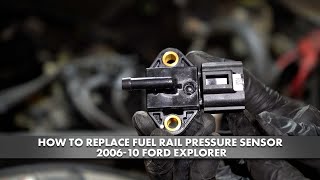
- 2004-2005 (Third Generation): On these models, the fuel pressure sensor is typically located on the fuel rail in a relatively accessible position. Replacement is straightforward and can often be done in under an hour 🎬 Watch: Step-by-step replacement for 2004-2005 models with basic tools.
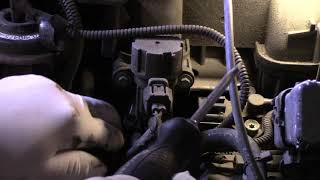
- 2006-2010 (Fourth Generation): This is a much more involved job. The sensor is located underneath the upper intake manifold. To replace it, the entire intake manifold must be removed, making the repair significantly more time-consuming and complex. This is a well-known point of frustration 🎬 See this walkthrough for the difficult 2006-2010 repair for owners of these model years.
- 2011 (Fifth Generation): The 2011 Explorer is a completely redesigned vehicle with different engines, such as the 3.5L V6. It uses a different fuel system and sensor. Information for the 2004-2010 models does not apply to the 2011 model.
Choosing the Right Aftermarket Sensor

When replacing a critical electronic sensor, quality matters. While OEM is always an option, quality aftermarket brands provide a reliable alternative, often at a better price. Here’s a breakdown of available brand tiers:
- Tier 1 (OEM Equivalent) - Bosch: Bosch is a massive OEM supplier for many car manufacturers, including Ford. Choosing a Bosch sensor is often the closest you can get to the original part's quality and reliability without the dealership price tag. They are a top choice for fit and function.
- Tier 2 (Professional Grade) - Standard Motor Products (Standard Ignition): Standard is a highly respected aftermarket brand known for producing quality components. They state their sensors are engineered and tested to match OE performance. They are a trusted choice for professional repair shops and experienced DIYers.
- Tier 3 (Value-Oriented) - Holstein: Holstein offers parts that aim to match OE quality at a more budget-friendly price. They back their sensors with a 3-year/36,000-mile warranty and claim a low failure rate. While some mechanics prefer to stick with OEM or Tier 1 brands for electronics, Holstein presents a viable option for those looking to balance cost and quality.
Cost of Replacing a Fuel Pressure Sensor

| Part/Service | Estimated Cost |
|---|---|
| New OEM Part | $150 - $250 |
| New Aftermarket Part | $75 - $146 |
| Shop Labor | $100 - $450 |
Frequently Asked Questions (FAQ)

Where is the fuel pressure sensor located on my Explorer?
For 2004-2005 models, it's on the fuel rail and fairly easy to see and access. For 2006-2010 models, it is buried under the upper intake manifold, requiring major disassembly to reach. For 2011 models, consult a specific repair manual for your engine, as its location is different.
Can I replace this sensor myself?
If you have a 2004-2005 model and basic mechanical skills, the job is very feasible. If you have a 2006-2010 model, the replacement is considered difficult due to the need to remove the intake manifold and should only be attempted by experienced DIYers or a professional mechanic.
Is there a recall for the fuel pressure sensor on my 2004-2011 Explorer?
No. While Ford issued a recall for a fuel pressure sensor issue on some 2018 Explorers, there are no active recalls for this part on the 2004-2011 model years.
What is the most definitive sign of a bad fuel pressure sensor?
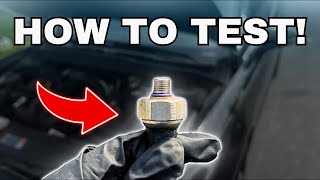
Besides a check engine light for a code like P0193, a key physical sign is finding raw fuel inside the vacuum hose connected to the sensor. This indicates the sensor's internal diaphragm has ruptured, allowing fuel to leak past it—a sure sign of failure.
Helpful Videos

Technical Specifications
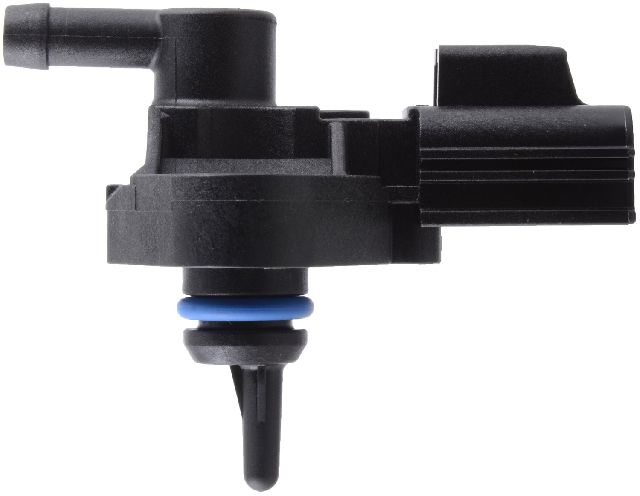
OEM Part Numbers: 3F2Z9G756AB 3F2E9G756AD 3F2Z9F792CA CM5229 0261230093
The sensor for the 2004-2010 4.0L V6 models is a 4-pin electronic sensor with a vacuum port that mounts directly to the fuel rail.
We Have This Part in Stock


The information in this article is provided for general reference and educational purposes only. Vehicle specifications, procedures, and part compatibility can vary by production date, trim level, and region. Always consult your vehicle's factory service manual and verify part numbers before purchasing or performing repairs. Safety-critical components such as airbags, seat belts, and braking systems should be installed by a qualified professional.
- Ford Explorer: