

Ford F-150 (2004-2011) Engine Cylinder Head Temperature Sensor Explained
Having temperature gauge issues or poor engine performance on your F-150? Your CHT sensor might be the culprit.
- A failing CHT sensor can cause an erratic temperature gauge, constant fan operation, and trigger 'limp mode'.
- The sensor is located under the intake manifold on the 5.4L V8 and is difficult to access, making labor a significant part of the replacement cost.
- Always inspect the wiring and connector pigtail for damage before replacing the sensor, as this is a common point of failure.
- While affordable aftermarket options exist, choosing a reputable brand like Standard Ignition or NTK can prevent premature failure and doing the job twice.
Symptoms of a Failing CHT Sensor

When the CHT sensor starts to fail on your F-150, it can cause a range of confusing symptoms. Because the sensor provides critical data, a bad reading can make the truck's computer behave erratically.
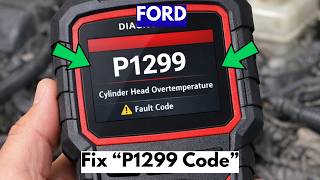
- Check Engine Light: This is often the first sign. You may see codes like P1289, P1299, P0119, or P1290. 🎬 Watch: How to diagnose and fix the P1299 trouble code.
- Erratic Temperature Gauge: The gauge on your dashboard might swing from cold to hot, or just stop working altogether, staying on cold even when the engine is warm.
- Cooling Fans Running Constantly: The cooling fans may switch on to high speed shortly after you start the truck and stay on, even if the engine isn't hot.
- Reduced Engine Power / Limp Mode: Ford trucks have a fail-safe strategy. If the PCM thinks the engine is severely overheating (even if it's just a bad sensor reading), it may activate an "overtemperature protection" mode. This can feel like a sudden loss of power as the computer shuts down fuel to some cylinders to try and cool the engine.
- Poor Fuel Economy: If the sensor is telling the computer the engine is cold when it's not, the PCM may enrich the fuel mixture, leading to worse gas mileage.
- A/C Stops Working: As a protective measure when the truck thinks it's overheating, the PCM will often disable the air conditioning compressor.
Wiring Can Be the Real Problem
Before you rush to replace the sensor, inspect the wiring harness and connector. On the 5.4L Triton, the sensor is located in a tight spot under the intake manifold where wires can become brittle from heat or get damaged. A broken wire or corroded connector can cause the exact same symptoms as a failed sensor. Sometimes, only a new pigtail connector is needed, not a whole sensor.
Choosing the Right Aftermarket CHT Sensor

You don't necessarily need to buy an expensive OEM part from a Ford dealer. Many aftermarket brands offer quality replacements that meet or exceed OEM specifications. However, quality can vary, so it's wise to stick with reputable names.
Based on owner feedback and brand reputation, aftermarket sensors fall into a few tiers:
- Top Tier Aftermarket: Brands like Standard Ignition (SMP) and NTK are well-regarded. They are major OE suppliers and their aftermarket parts often have robust quality control. They focus on matching OE form, fit, and function.
- Reputable Aftermarket: Brands like Holstein and Walker Products offer a good balance of quality and value. They often provide warranties and have a wide range of applications, suggesting significant investment in the product line.
- Value-Oriented: Brands like Facet and Global Parts may be more budget-friendly. While they can be a good option for a cost-effective repair, be aware that some forum users caution against using the cheapest available parts for critical sensors, as premature failure is a risk.
Pro Tip: Avoid Unknown Brands
While it's tempting to buy the cheapest sensor you can find online, many experienced owners and mechanics recommend avoiding no-name parts from sites like Amazon or eBay. A faulty replacement sensor can fail quickly, leaving you with the same problem and forcing you to do the job twice.
Typical Costs for CHT Sensor Replacement

| Part Type | Typical Cost |
|---|---|
| New OEM (Ford/Motorcraft) | $25 - $50 |
| New Aftermarket | $10.43 - $38.89 |
| Shop Labor | $150 - $350 |
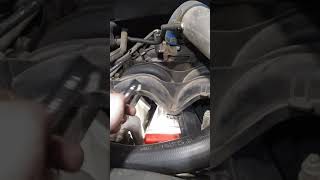
Note: Labor costs can vary significantly. The CHT sensor on the 5.4L 3V engine is notoriously difficult to access. Some mechanics remove the intake manifold, which increases labor time and cost. Others have techniques to replace it by just removing the alternator, which is quicker but still challenging. 🎬 See this walkthrough for replacing the sensor without removing the intake.
Frequently Asked Questions

Can I still drive my F-150 with a bad CHT sensor?
It is not recommended. If the sensor fails, the PCM has no reliable way to know the engine's temperature. This could lead to the truck entering a low-power limp mode unexpectedly, or worse, failing to warn you if the engine is actually overheating, which could cause severe damage.
Where is the CHT sensor located on the 2004-2011 F-150?
On the popular 5.4L 3V Triton engine, the CHT sensor is located under the intake manifold, screwed into the cylinder head on the passenger side, between cylinders 3 and 4. It is in a very tight space, making replacement difficult.
🎬 Watch: A step-by-step guide to finding and replacing the sensor.Do I need to drain the coolant to replace the CHT sensor?
No. The CHT sensor measures the temperature of the metal cylinder head directly and is not in contact with engine coolant. You do not need to drain the cooling system to replace it. This is a key difference from a traditional Engine Coolant Temperature (ECT) sensor.
Are there any recalls for the CHT sensor on these trucks?
No, there are no specific recalls on the 2004-2011 Ford F-150 for a faulty CHT sensor itself. Broader Ford recalls for other models have involved adding coolant level sensors to address overheating issues that could lead to cylinder head damage, but not for replacing the CHT sensor on this specific F-150 generation.
Helpful Videos



Technical Specifications
OEM Part Numbers: 8L3Z-6G004-A F65Z-6G004-AB 9L8Z-6G004-E 9L8Z-6G004-F
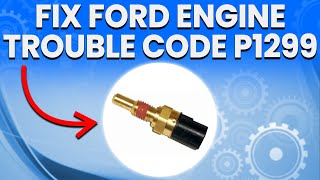
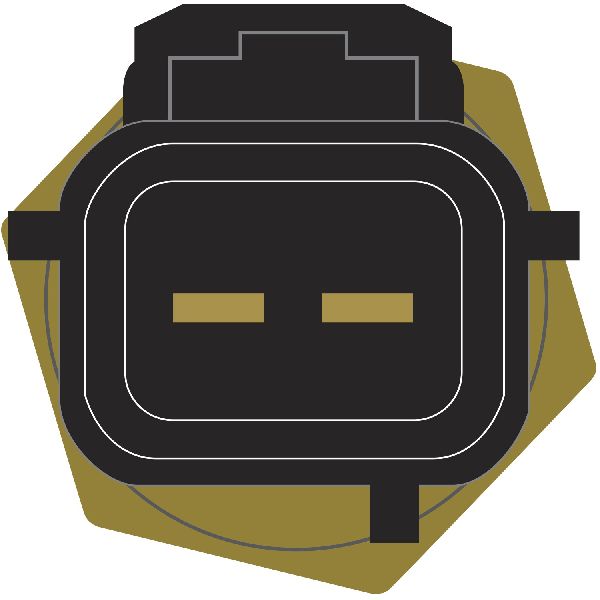
The CHT sensor for this generation F-150 is a thermistor that screws directly into the cylinder head. It does not measure coolant temperature directly. The correct sensor must have the proper thread pitch and probe length to make contact with the head for an accurate reading.
We Have This Part in Stock


The information in this article is provided for general reference and educational purposes only. Vehicle specifications, procedures, and part compatibility can vary by production date, trim level, and region. Always consult your vehicle's factory service manual and verify part numbers before purchasing or performing repairs. Safety-critical components such as airbags, seat belts, and braking systems should be installed by a qualified professional.
- Ford F-150: