

Ford F-150 Ignition Knock Sensor Guide (2004-2011): Symptoms, Brands, and Replacement
A bad knock sensor can hurt your F-150's performance, and replacing it is a big job—make sure you do it right the first time.
- The sensors are under the intake manifold; replacement is a labor-intensive job.
- Always replace both sensors and the wiring harness at the same time, along with the intake manifold gaskets.
- Due to the high labor cost, use high-quality brands like Bosch, Delphi, or OEM Motorcraft to avoid repeat failures.
- Before starting, inspect the wiring harness for damage, as it can cause the same error codes as a bad sensor.
What F-150 Owners Must Know Before Starting

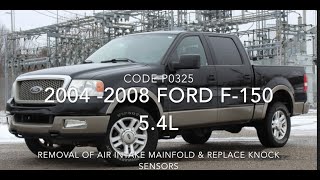
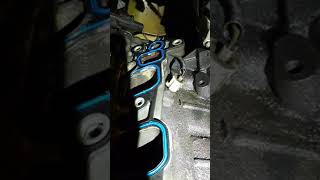
On the 2004-2011 Ford F-150, especially models with the 5.4L V8 engine, the two knock sensors are located in the absolute worst spot: on the engine block, underneath the entire intake manifold. This means a simple sensor replacement becomes a major, multi-hour job that requires tearing down the top of your engine. 🎬 Watch: Step-by-step guide to removing the intake manifold and sensors. Because the labor is so intensive, choosing the right replacement part is critical. A cheap, low-quality sensor that fails early will force you to do the whole job all over again.
Is Your Knock Sensor Failing? Common Symptoms

A failing knock sensor will usually make itself known in a few ways. Before you assume the sensor is bad, always check the wiring harness first for any damage, corrosion, or loose connections, as this can cause the same symptoms.
- Check Engine Light: This is the most common sign. You will likely see codes P0325 (Bank 1) or P0330 (Bank 2).
- Poor Engine Performance: Your truck may feel sluggish, hesitate when you accelerate, and generally lack power. This is because the engine's computer defaults to a "safe" mode with reduced timing to prevent damage.
- Worse Fuel Economy: When your engine isn't running efficiently, it burns more fuel. A drop in MPG is a common symptom.
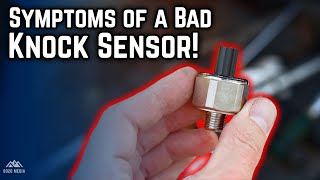
- Audible Pinging or Knocking: If the sensor stops working completely, the computer can't detect or correct detonation, and you may hear a metallic pinging sound, especially under load. 🎬 See this video for a breakdown of common failure symptoms.
Choosing the Right Aftermarket Knock Sensor: Brand Tiers

For a repair this difficult, part quality is everything. You do not want to do this job twice.
Tier 1: Premium Aftermarket & OEM-Equivalent
These brands are known for making parts that meet or exceed original equipment standards. They are the safest bet for a critical sensor like this.
- Bosch: Often an original equipment manufacturer for many car brands, Bosch is a trusted name for sensors. They are known for quality and proper calibration.
- Delphi: Another top-tier supplier with a strong reputation for electronics and sensors.
- NGK/NTK: While famous for spark plugs, NTK is also a major sensor manufacturer and is generally considered a high-quality option.
- Standard Ignition (SMP): A long-standing brand in the aftermarket that offers parts considered to be reliable replacements.
Pro Tip: For this specific repair, spending the extra money on a premium brand or an original Motorcraft part is highly recommended. The small savings from a budget part are not worth the risk of repeating a 5-hour repair.
Tier 2: Economy & Budget Brands
While these brands offer a lower price, they come with a higher risk of premature failure, which is a major gamble for this specific part.
- Dorman: Dorman makes a convenient kit that includes both sensors and a new wiring harness. However, owner reviews for their knock sensors are frequently negative, with many reporting parts that were dead on arrival or failed within a few months. Given the labor involved, this brand is a risky choice for this repair.
- Other Value Brands (Global Parts, etc.): Lesser-known, price-focused brands should be considered with caution. Unless you can verify their quality, it's best to stick with a proven manufacturer.
How Much Does a Knock Sensor Replacement Cost on a 2004-2011 F-150?
The cost is dominated by labor due to the sensor's location. The parts themselves are relatively inexpensive.
| Part or Service | Estimated Cost |
|---|---|
| New Aftermarket Knock Sensor (Each) | $25 - $80 |
| New OEM (Motorcraft) Knock Sensor (Each) | $45 - $110 |
| Shop Labor | $500 - $900+ |
| Total Professional Replacement | $750 - $1,100+ |
Frequently Asked Questions

Do I have to replace both knock sensors at the same time?
Yes. Since you have to remove the entire intake manifold to access them, it is absolutely essential to replace both sensors and the wiring harness at the same time. The cost of the second sensor is tiny compared to the labor cost of doing the job again if the other old sensor fails.
What else should I replace while I'm in there?
You MUST replace the intake manifold gaskets to prevent vacuum leaks. It is also a great time to inspect the wiring for the Cylinder Head Temperature (CHT) sensor and check the plastic linkage for the Intake Manifold Runner Control (IMRC) for wear or damage.
Could something else be causing the knock sensor code?
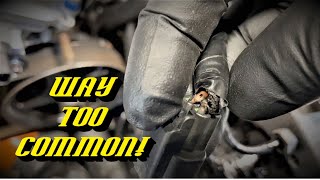
Absolutely. Damaged wiring, corroded connectors, or a bad ground can all trigger a knock sensor code. Some owners report codes appearing after heavy rain, which points to a moisture issue in the wiring. Always inspect the harness that runs to the sensors at the back of the engine before ordering parts.
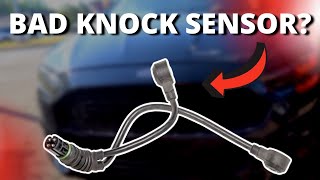
🎬 Watch: Troubleshooting knock sensor faults and timing issues after installation.Is this a good DIY job?
If you are an experienced and patient DIY mechanic, yes. It involves draining coolant, disconnecting many electrical connectors and hoses, and removing the intake manifold. It requires careful work and attention to detail, especially when torquing the new sensors (about 15 ft-lbs) and routing the new harness. For a beginner, this is not a recommended job.
Helpful Videos
Technical Specifications
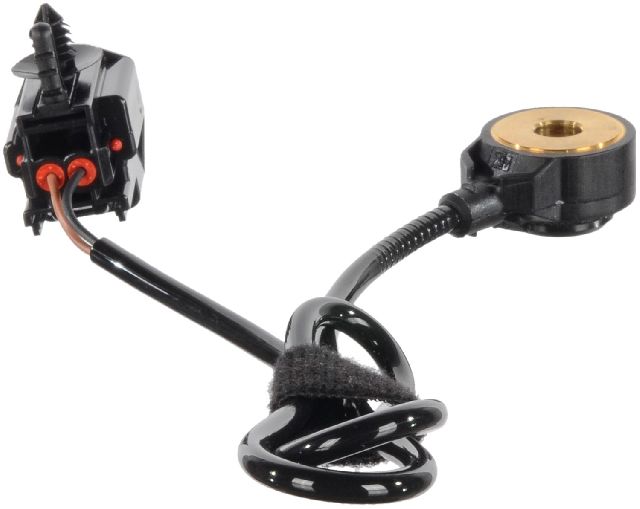
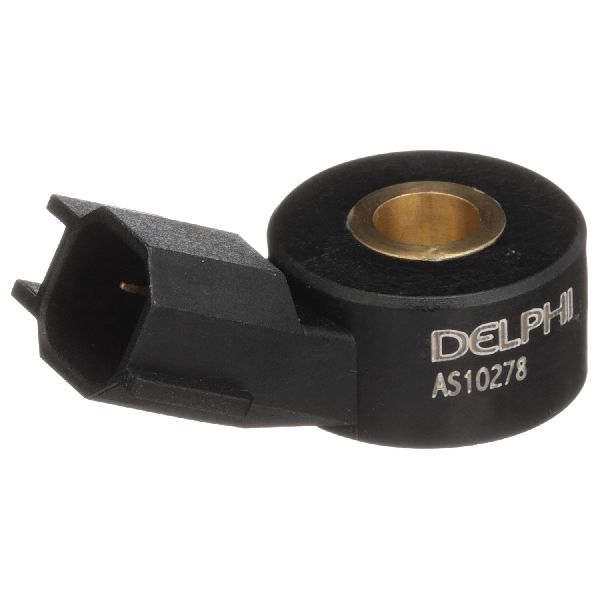
OEM Part Numbers: 4L3Z-12A699-AA XL3Z-12A699-AA
This is a two-sensor system for V8 engines. The sensors are piezoelectric microphones tuned to detect specific vibration frequencies. They are located in the engine valley, under the intake manifold. Replacement requires new intake manifold gaskets and correct torque application (approx. 15 ft-lbs) on the sensor bolts.
We Have This Part in Stock


The information in this article is provided for general reference and educational purposes only. Vehicle specifications, procedures, and part compatibility can vary by production date, trim level, and region. Always consult your vehicle's factory service manual and verify part numbers before purchasing or performing repairs. Safety-critical components such as airbags, seat belts, and braking systems should be installed by a qualified professional.
- Ford F-150:
- 🎬 Helpful Videos
- 🛍️ Shop This Part
- What F-150 Owners Must Know Before Starting
- Is Your Knock Sensor Failing? Common Symptoms
- Choosing the Right Aftermarket Knock Sensor: Brand Tiers
- Tier 1: Premium Aftermarket & OEM-Equivalent
- Tier 2: Economy & Budget Brands
- How Much Does a Knock Sensor Replacement Cost on a 2004-2011 F-150?
- Frequently Asked Questions
- 🎟️ Get 5% Off