

Ford Ranger Transmission Range Sensor Guide for 2004-2011 Models
Having trouble starting or shifting? Your Transmission Range Sensor might be the culprit.
- A no-start condition where the dash lights still work is a primary symptom of a bad TRS.
- This is a simple DIY replacement that requires basic tools and less than an hour.
- Aftermarket brands like Dorman and Standard Ignition are reliable and cost-effective alternatives to OEM.
- There are no recalls for this specific part on the 2004-2011 Ford Ranger.
Is Your Ranger's Transmission Acting Up?

If your 2004-2011 Ford Ranger has an automatic transmission and is experiencing starting issues or strange shifting, a faulty Transmission Range Sensor (TRS) is a common suspect. This sensor is an electronic switch mounted on the side of your transmission. Over time, internal contacts can wear out or get contaminated, leading to incorrect signals being sent to your truck's computer. This can cause a variety of frustrating and potentially unsafe problems.
Common Symptoms of a Bad Transmission Range Sensor

A failing TRS will usually give you clear warning signs. Here are the most common symptoms for a 2004-2011 Ranger:
- No-Start Condition: The engine won't crank, but your battery is good and the dash lights turn on. The sensor isn't telling the computer it's safe to start in Park or Neutral.
- Starts in Neutral but Not Park (or vice-versa): This indicates the sensor is out of alignment or has a dead spot for one of the positions.
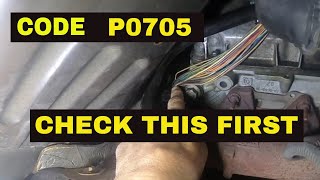
- Check Engine Light: The PCM will log a fault code, often P0705, P0707, or P0708, and turn on the check engine light. 🎬 See how to diagnose and fix common P0705 fault codes.
- Erratic Shifting: The transmission may shift harshly, delay shifting, or feel like it's in the wrong gear.
- No Reverse Lights: The sensor is responsible for activating the backup lights when you select Reverse.
- Starts in Any Gear: In rare cases, the switch can fail in a way that allows the engine to crank in Drive or Reverse. This is a serious safety hazard.
Safety First
If your truck can start in any gear, it can lurch forward or backward unexpectedly. This is a critical safety issue that should be addressed immediately. Do not drive the vehicle if this symptom is present.
Choosing the Right Aftermarket Part

For the 2004-2011 Ranger, the original Ford sensor can be difficult to find and expensive. Aftermarket options from brands like Dorman and Standard Ignition (Standard Motor Products) offer a reliable and affordable solution. Both brands design their parts to match the fit and function of the original.
- Dorman: Often positioned as a direct OE replacement, Dorman focuses on engineering parts that match the original's form, fit, and function, often including small improvements to address original failure points.
- Standard Ignition (SMP): A long-standing name in automotive electronics, Standard parts are known for their quality control and are a trusted choice for professional mechanics and DIYers.
Pro Tip: For this specific part, both Dorman and Standard Ignition are solid choices. There is no significant quality difference reported by Ranger owners for this sensor. The best choice is often the one that is readily available and fits your budget.
Cost to Replace the Transmission Range Sensor
The cost is broken down into the part itself and labor. This is a relatively simple job for a DIYer or a quick one for a professional mechanic.
| Part Type | Estimated Cost |
|---|---|
| New Aftermarket (Dorman, Standard) | $60 - $70 |
| New OEM (Ford Motorcraft) | $100 - $150+ (if available) |
| Shop Labor | $95 - $160 |
| Total Professional Replacement | $155 - $230 |
Cost estimates are approximate and can vary based on your location and the specific shop's labor rate.
Frequently Asked Questions

Can I replace the Transmission Range Sensor myself?
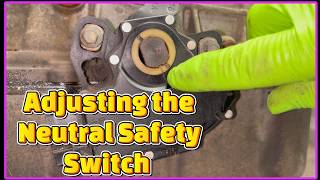
Yes, this is a very DIY-friendly repair. The sensor is located on the driver's side of the transmission and is held on by two bolts. The process involves disconnecting the battery, unplugging the electrical connector, removing the bolts, and swapping the sensor. No special alignment tools are typically needed for this model. The job can be done with basic hand tools in under an hour.
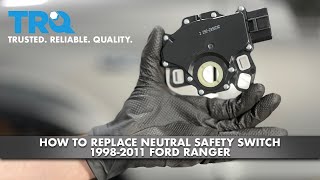
🎬 Watch this step-by-step guide to replacing your range sensor.Are there any recalls for this part on my Ranger?
No, there are no active recalls or specific Technical Service Bulletins (TSBs) from Ford for the transmission range sensor on the 2004-2011 Ford Ranger.
What's the difference between a Transmission Range Sensor and a Neutral Safety Switch?
The terms are often used interchangeably. A "Neutral Safety Switch" is the traditional name for the part that only prevents starting in gear. A "Transmission Range Sensor" is the more modern term, as the part does more than just that—it also provides gear position data for shift control and other functions. For your Ranger, the part serves both roles.
Will a bad TRS damage my transmission?
While the bad sensor itself won't directly cause mechanical damage, the symptoms it causes—like harsh or erratic shifting—can put extra stress on your transmission over time. It's best to replace it as soon as you confirm it's the problem.
🎬 Check this simple fix before buying a new sensor.Helpful Videos

Technical Specifications
OEM Part Numbers: 5L2Z7F293AA 1L2Z7F293AA F7LP7F293AA F7LZ7A247AA
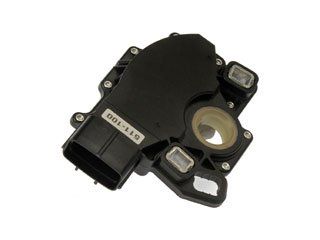
Located on the driver's side of the transmission case. Features a single rectangular electrical connector with 11 blade-style terminals.
We Have This Part in Stock


The information in this article is provided for general reference and educational purposes only. Vehicle specifications, procedures, and part compatibility can vary by production date, trim level, and region. Always consult your vehicle's factory service manual and verify part numbers before purchasing or performing repairs. Safety-critical components such as airbags, seat belts, and braking systems should be installed by a qualified professional.
- Ford Ranger: