

Mercedes-Benz SL600 (2004-2011) Engine Coolant Temperature Sensor Guide
Understanding the signs of a failing coolant temperature sensor in your V12 SL600 and how to choose the right replacement.
- A failing coolant sensor will often trigger a Check Engine Light with codes P0117 or P0118.
- Symptoms include poor fuel economy, black exhaust smoke, rough idle, and potential engine overheating.
- Driving with a bad sensor is not recommended due to the risk of engine damage from overheating.
- Choosing a quality aftermarket brand like Delphi or Febi is a cost-effective alternative to OEM, while budget brands carry a higher risk of fitment issues.
Is Your SL600's Temperature Gauge Acting Up?
The Engine Coolant Temperature (ECT) sensor is a common failure point on many vehicles, and the V12-powered R230 SL600 is no exception. This sensor tells your car's computer how hot or cold the engine is. When it fails, it can send incorrect signals, leading to a variety of engine performance problems. The computer might think the engine is permanently cold, causing it to inject too much fuel, or it might think the engine is overheating when it's not. Ignoring these symptoms can lead to poor fuel economy, failed emissions tests, and in worst-case scenarios, engine damage from overheating.
Symptoms of a Failing Coolant Temperature Sensor
A bad ECT sensor can cause a range of issues, from annoying to serious. Here are the most common signs to watch for:
- Check Engine Light: This is often the first sign. The car's computer detects a problem with the sensor's signal and triggers a warning light. Common trouble codes include P0117 (signal low, indicating high temp) and P0118 (signal high, indicating low temp).
- Poor Fuel Economy: If the sensor incorrectly tells the computer the engine is cold, the system will enrich the fuel mixture, wasting gas.
- Black Smoke from Exhaust: A very rich fuel mixture may not burn completely, resulting in black smoke from the tailpipe.
- Engine Overheating: A faulty sensor may fail to signal the cooling fans to turn on when needed, causing the engine to overheat.
- Erratic Temperature Gauge: The temperature gauge on your dashboard might swing wildly, stay on cold, or jump to hot unexpectedly.
- Rough Idle and Poor Acceleration: With incorrect fuel and timing adjustments, the engine can run rough, hesitate, or feel sluggish.
Choosing the Right Aftermarket Sensor
For a critical sensor like this, part quality matters. While an OEM sensor from a Mercedes-Benz dealer is always a safe bet, several aftermarket brands offer a good balance of quality and value. We can group the available brands into tiers based on their general reputation among European car specialists.
Aftermarket Brand Quality Tiers
| Tier | Brands | Assessment |
|---|---|---|
| Tier 1: OEM Supplier / High-Quality Aftermarket | Delphi, Febi, Vemo | These brands are often original equipment suppliers to German automakers or are known for producing parts that meet or exceed OEM specifications. They are a reliable choice for fit and longevity. |
| Tier 2: Standard Aftermarket | Standard Ignition, Walker Products, Four Seasons, CRP | These are well-known aftermarket brands with a broad catalog. They generally offer good quality and are a dependable alternative to OEM parts. |
| Tier 3: Budget-Friendly | URO Parts, Facet, True Tech | These brands provide a low-cost option. However, some forum users have reported fitment issues with certain URO parts, such as coolant flanges, which can lead to leaks. While many of their parts work fine, there is a higher risk of quality control issues compared to Tier 1 or 2 brands. For a part that involves sealing the cooling system, it may be wise to invest in a higher-tier brand. |
Pro Tip: Given the low cost of even high-quality aftermarket sensors, it's often worth spending a few extra dollars for a Tier 1 brand to avoid potential issues and the labor cost of a second replacement.
Known Issues, Recalls, or TSBs
As of early 2026, there are no specific recalls or Technical Service Bulletins (TSBs) from Mercedes-Benz for the engine coolant temperature sensor on the 2004-2011 SL600. Problems with this part are typically addressed on a case-by-case basis as they fail from age and wear.
Frequently Asked Questions (FAQ)
Where is the coolant temperature sensor located on the SL600?
On the M275 V12 engine, the coolant temperature sensor is typically located at the rear of the engine. Access can be tight due to the compact nature of the V12 engine bay.
Can I replace the ECT sensor myself?
Yes, this is a DIY-feasible job for someone with basic mechanical skills. The part is usually held in by a clip and sealed with an O-ring. The main challenge is accessing the sensor's location. Be prepared for some coolant to spill when you remove the old sensor; have the new one ready to install quickly to minimize loss.
Should I buy an OEM or aftermarket sensor?
While OEM is always a safe choice, high-quality aftermarket brands like Delphi or Febi offer comparable performance for less money. Some mechanics strongly recommend using a genuine part to ensure reliability. Given the relatively low cost of the part, it's best to avoid the cheapest budget options to prevent premature failure or fitment problems.
What happens if I ignore a bad coolant sensor?
Continuing to drive with a bad sensor is not recommended. It can lead to persistently poor fuel mileage, a rough-running engine, and a failed emissions test. Most importantly, if the sensor fails to trigger the cooling fans, you risk engine overheating, which can cause severe and expensive damage like a warped cylinder head.
Technical Specifications
OEM Part Numbers: 0009050600 A0009050600 0009056102 A0009056102 0041539728 0999053700
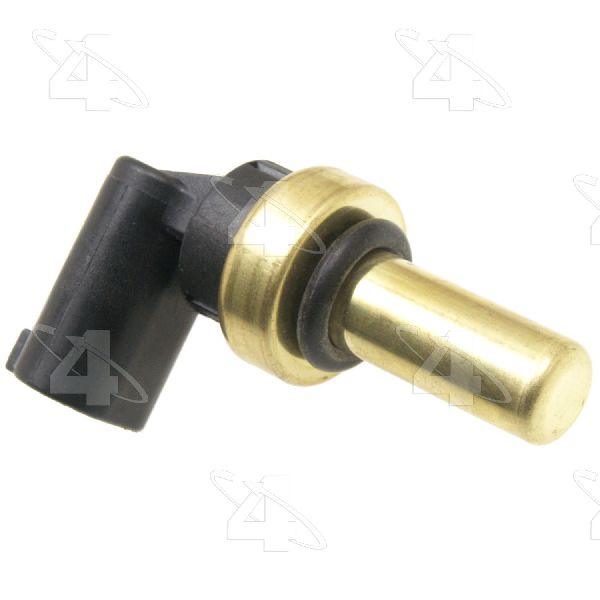
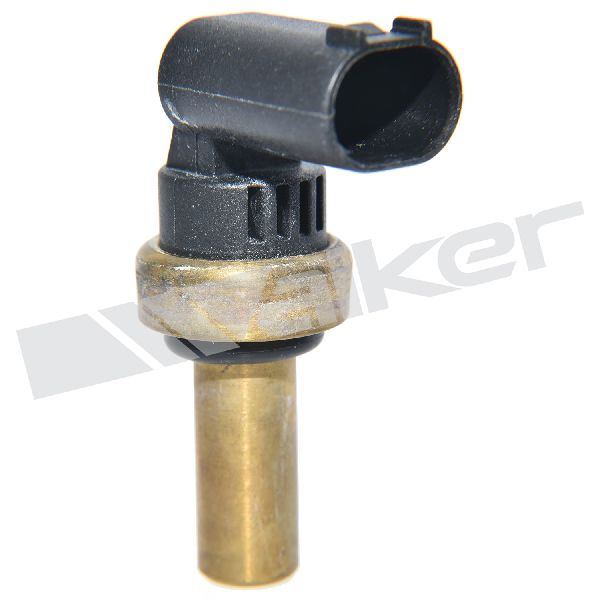
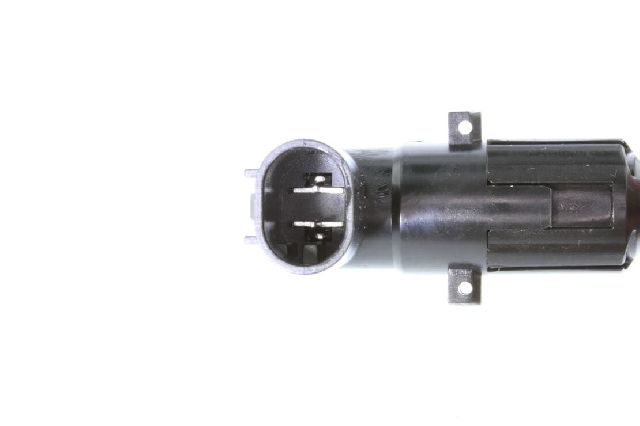
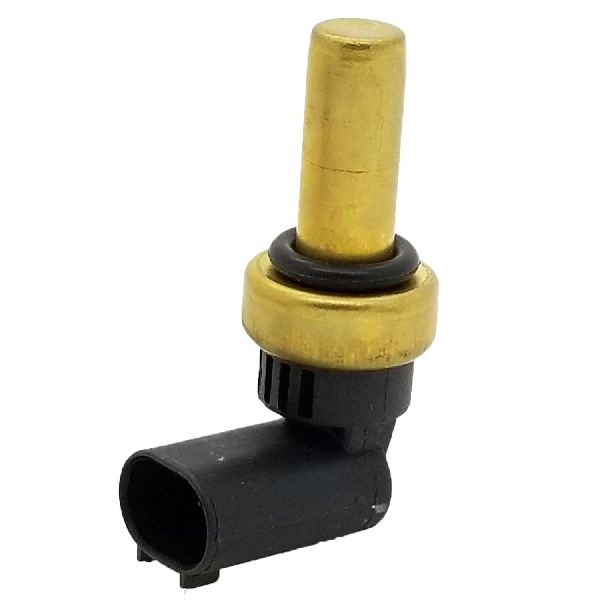
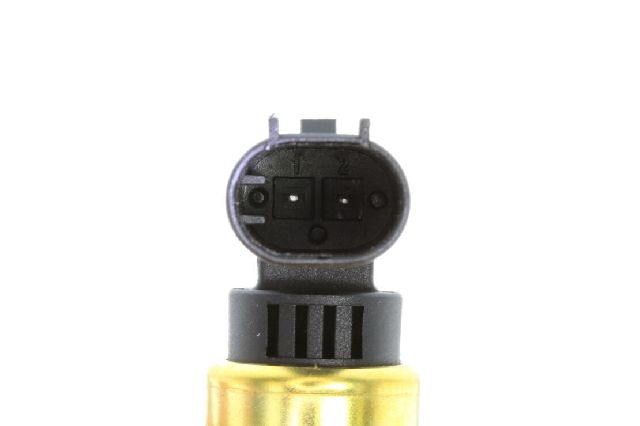
2-Pin Connector. Measures engine coolant temperature via electrical resistance.
We Have This Part in Stock


The information in this article is provided for general reference and educational purposes only. Vehicle specifications, procedures, and part compatibility can vary by production date, trim level, and region. Always consult your vehicle's factory service manual and verify part numbers before purchasing or performing repairs. Safety-critical components such as airbags, seat belts, and braking systems should be installed by a qualified professional.
- Mercedes-Benz SL600: