

Rolls-Royce Phantom (2004-2011) Engine Coolant Temperature Sensor Facts
Keep your Phantom's V12 engine performing correctly by understanding this small but critical sensor.
- A failing ECT sensor can cause a Check Engine Light, poor fuel economy, overheating, and rough running.
- The sensor is located on the water pump of the V12 engine.
- High-quality aftermarket brands like NGK or Standard Ignition are reliable alternatives to the more expensive OEM part for this component.
- While the sensor itself is inexpensive, symptoms like overheating should be diagnosed properly to rule out more serious engine issues like known coolant pipe leaks.
Understanding the Engine Coolant Temperature Sensor in Your Phantom
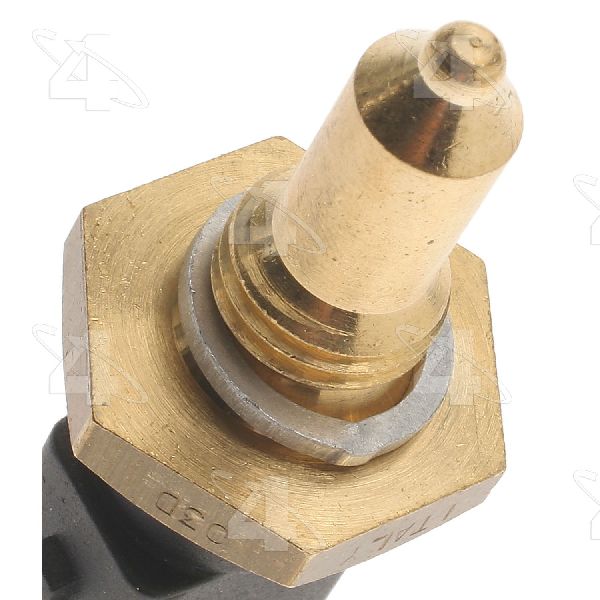
The Engine Coolant Temperature (ECT) sensor in your 2004-2011 Rolls-Royce Phantom is a small but essential part that ensures the complex V12 engine runs as it should. It provides critical data to the engine's computer. While a simple component, its failure can lead to noticeable performance issues. Given the precision engineering of your vehicle, addressing a faulty sensor promptly is key to maintaining its health and performance.
Symptoms of a Failing Coolant Temperature Sensor
A bad ECT sensor can cause a range of problems. Because the sensor's reading is used to control many engine functions, a false signal can confuse the system. Look out for these common signs:
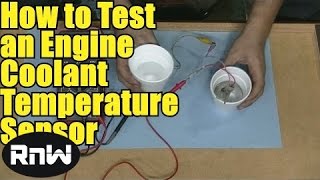
- Check Engine Light: This is often the first sign. The engine computer will detect a reading from the sensor that is out of the normal range and trigger a warning light. 🎬 Watch: How to test your sensor using a basic multimeter Common trouble codes include P0115, P0117, and P0118.
- Poor Fuel Economy: If the sensor incorrectly tells the computer the engine is cold, the computer will continuously supply a rich fuel mixture, which wastes fuel.
- Black Smoke from Exhaust: A consistently rich fuel mixture can result in black smoke coming from the tailpipe, which is unburnt fuel.
- Engine Overheating or Running Too Cool: The sensor helps control the electric cooling fans. If the sensor fails to report a high temperature, the fans may not turn on when needed, leading to overheating. Conversely, an incorrect signal might cause the fans to run constantly.
- Rough Idle and Hard Starting: The engine computer relies on an accurate temperature reading to manage the fuel mixture for starting and idling. An incorrect signal can lead to a rough idle or difficulty starting the engine, especially when cold.
Aftermarket Brand Options & Quality
For a component like an ECT sensor, several reputable aftermarket brands offer a reliable alternative to the original equipment (OE) part. On a vehicle like a Rolls-Royce, the main concern is always maintaining quality. For a simple sensor, a high-quality aftermarket part is often a perfectly acceptable and cost-effective choice.
| Brand | General Reputation | Suitability for Phantom |
|---|---|---|
| NGK (NTK) | Excellent. NGK, under its NTK sensor brand, is a well-respected OE supplier for many automakers. Their sensors are known for high quality and reliability. | A top-tier aftermarket choice. Quality is generally on par with OEM for this type of component. |
| Standard Ignition (SMP) | Good to Very Good. A large, established American company that produces reliable parts. They are a common choice in professional repair shops. | A solid, dependable option. Often considered a standard replacement part that meets or exceeds original specifications. |
| Four Seasons | Standard. Primarily known for climate control components, but they offer a range of engine management parts. Generally seen as a budget-friendly, functional replacement. | A functional and cost-effective choice if immediate availability is a priority. |
Known Issues, Recalls, or TSBs
Searches for official recalls or Technical Service Bulletins (TSBs) specifically for the engine coolant temperature sensor on the 2004-2011 Rolls-Royce Phantom did not yield any results. However, the N73 V12 engine used in this Phantom is known for a significant issue with a coolant transfer pipe seal, 🎬 Watch: How to repair the common N73 V12 coolant pipe leak which can cause coolant leaks. While this is not directly related to the sensor itself, any coolant loss or overheating symptoms should be investigated thoroughly to rule out this more serious problem.
Frequently Asked Questions
Where is the ECT sensor located on the 2004-2011 Phantom?
The engine coolant temperature sensor on the Phantom's 6.75L V12 engine is typically located on the water pump. This position allows it to get an accurate reading of the coolant as it circulates through the engine.
Is an aftermarket ECT sensor a good idea for my Rolls-Royce?
For a simple electronic sensor like the ECT, a high-quality aftermarket part from a reputable brand like NGK (NTK) or Standard Ignition is a very reasonable choice. These brands often manufacture parts to OEM specifications. The cost savings are significant, and the reliability for this specific part is generally high. The key is to use a trusted brand, not a generic unbranded part.
Can I replace the ECT sensor myself?
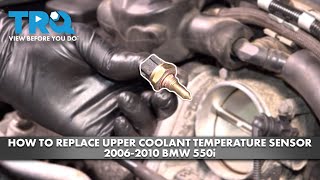
For an experienced DIY mechanic, the replacement is feasible. It involves locating the sensor on the water pump, disconnecting the electrical connector, and unscrewing the sensor. 🎬 See this walkthrough for replacing a V8 coolant temperature sensor Some coolant will be lost, so it's best to perform the swap quickly on a cold engine with a drain pan ready. However, given the value and complexity of the vehicle, having the work performed by a qualified technician is always the safest option.
What is the difference between an ECT sensor and a coolant level sensor?
The ECT sensor measures the temperature of the coolant. A separate coolant level sensor is located in the coolant expansion tank and its only job is to alert you if the coolant level is low. Both are important parts of the cooling system.
Helpful Videos
Technical Specifications
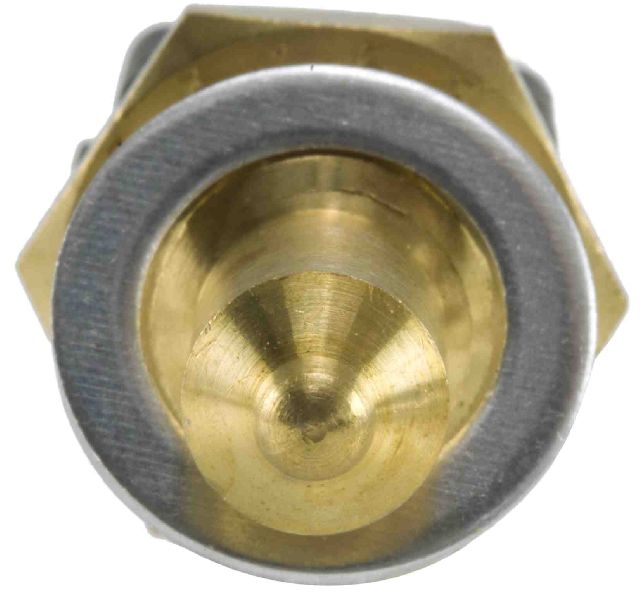
OEM Part Numbers: 13621433077 1433076
Connector: 2-Pin Blade Type
We Have This Part in Stock


The information in this article is provided for general reference and educational purposes only. Vehicle specifications, procedures, and part compatibility can vary by production date, trim level, and region. Always consult your vehicle's factory service manual and verify part numbers before purchasing or performing repairs. Safety-critical components such as airbags, seat belts, and braking systems should be installed by a qualified professional.
- Rolls-Royce Phantom: