

A Forester Owner's Guide to Catalytic Converter Replacement (2004-2011)
If you're facing the dreaded P0420 code, this guide will help you choose the right aftermarket catalytic converter for your Forester.
- The P0420 code is the most common sign of failure, but you must diagnose the root cause (misfires, bad O2 sensors) before replacement to avoid damaging the new part.
- Subaru Foresters are sensitive to aftermarket converters; using a cheap, non-CARB compliant part often results in the check engine light returning.
- High-quality aftermarket brands like MagnaFlow and Walker are the most recommended choices for a successful, long-lasting repair without the extreme cost of an OEM part.
- Always replace both oxygen sensors at the same time as the catalytic converter for accurate system performance.
Is Your Forester's Catalytic Converter Failing?

A failing catalytic converter can cause frustrating problems, from a constant check engine light to poor engine performance. The most common signal of a problem in the 2004-2011 Subaru Forester is the check engine light displaying the code P0420 - Catalyst System Efficiency Below Threshold. This code means the computer has detected that your converter is no longer cleaning the exhaust effectively.
Common Symptoms:
- Check Engine Light: The P0420 code is the most frequent indicator.
- Reduced Power & Sluggish Acceleration: A clogged converter can create exhaust backpressure, making your Forester feel weak, especially when accelerating or going uphill.
- Rotten Egg Smell: A strong sulfur smell from the exhaust points to a converter that isn't processing gases correctly.
- Rattling Noise: The ceramic honeycomb inside can break apart, causing a rattling sound from under the car, which is often more noticeable at startup.
- Failed Emissions Test: A car with an active P0420 code will not pass a state emissions inspection.
Don't Just Replace the Part - Find the Cause!
Catalytic converters don't usually fail on their own. They are often destroyed by another problem. Common causes include engine misfires, a rich fuel mixture, bad oxygen sensors, or exhaust leaks. If you don't fix the root cause, you will likely destroy your new converter, and the P0420 code will return.
Choosing the Right Aftermarket Converter for Your Forester

Subaru Foresters from this generation are known for being very sensitive to aftermarket catalytic converters. The engine's computer has tight tolerances, and many cheaper, lower-quality converters do not have enough precious metals to satisfy the system, causing the P0420 code to come back. While an OEM converter from Subaru is the most reliable option, it is also extremely expensive, often costing thousands of dollars. A high-quality aftermarket part is the best balance of cost and reliability.
Aftermarket Brand Tiers
Not all aftermarket brands are created equal. For a sensitive vehicle like the Forester, choosing a reputable brand is key to avoiding future headaches.
- Tier 1 (High-Quality Direct Fit): MagnaFlow & Walker Exhaust
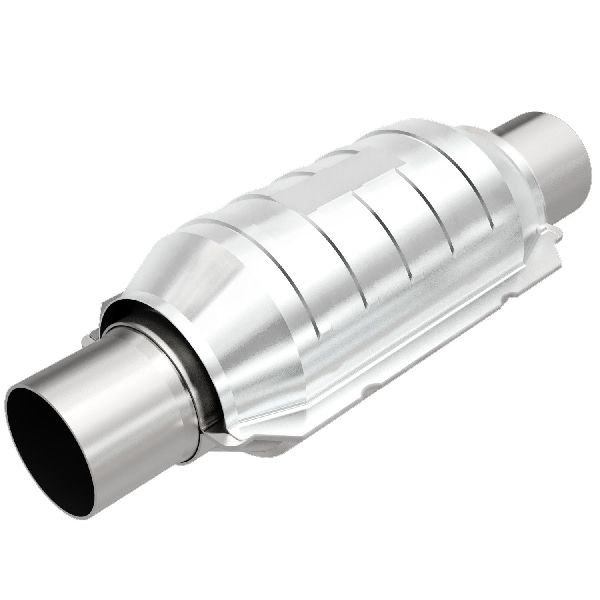
These brands are widely regarded as the most reliable aftermarket options that stand the best chance of keeping the check engine light off. They build durable, stainless steel converters designed to meet or exceed OEM standards. While they are more expensive than budget options, they are the recommended choice for Forester owners who want a lasting repair. - Tier 2 (Budget-Friendly): AP Exhaust, Davico, Eastern Catalytic
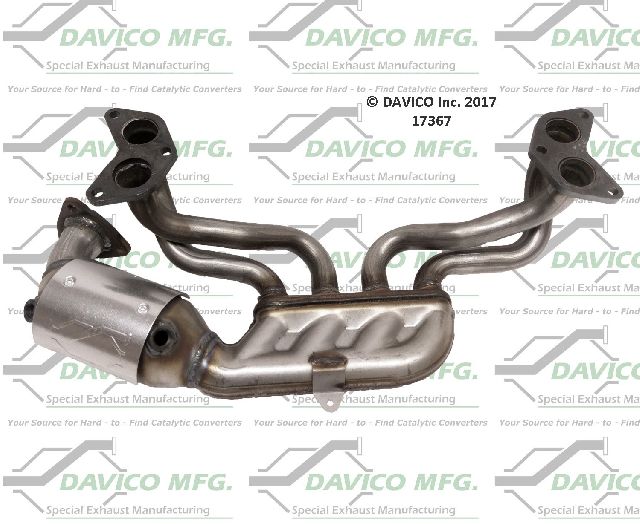
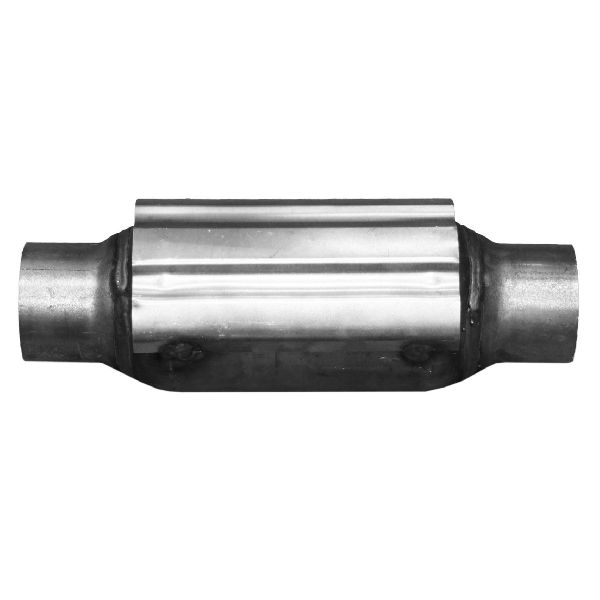
These brands offer a more affordable solution. However, owner experiences are mixed. Some report that these converters may have fitment issues requiring modification and are more likely to trigger the P0420 code again. They may be a viable option for those on a tight budget, but there is a higher risk of the check engine light returning.
CARB Compliance Matters
If you live in a state with strict emissions laws (like California, New York, Colorado, or Maine), you MUST install a CARB-compliant catalytic converter. These converters have a higher loading of precious metals to meet stricter standards. Even if your state doesn't require it, choosing a CARB-compliant model can increase your chances of success, as they are built to a higher quality standard.
Cost of Replacing a 2004-2011 Forester Catalytic Converter
| Part Type | Estimated Cost (Part Only) | Notes |
|---|---|---|
| New OEM | $2,000 - $4,600+ | Highest reliability but extremely expensive. |
| New Aftermarket (High-Quality) | $450 - $1064 | Recommended for reliability (e.g., MagnaFlow, Walker). |
| New Aftermarket (Budget) | $133 - $400 | Lower cost but higher risk of P0420 code returning. |
| Shop Labor | $200 - $450 | Depends on local rates and rust severity. |
Frequently Asked Questions

Will replacing the oxygen sensors fix a P0420 code?
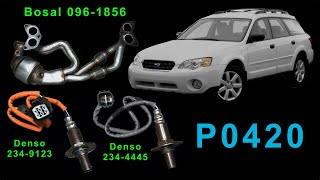
Sometimes, but it's not a guaranteed fix. While a bad oxygen sensor can trigger a false P0420 code, the code more often correctly points to a failing converter. It is highly recommended to replace both the front and rear oxygen sensors when you replace the converter, as old sensors can provide slow or inaccurate readings.
Are there any recalls for the 2004-2011 Forester catalytic converter?
No. Searches of the National Highway Traffic Safety Administration (NHTSA) database and other technical resources did not find any specific recalls or technical service bulletins (TSBs) for catalytic converter failure on the 2004-2011 Subaru Forester models. Recalls and TSBs found were for later model years.
Can I clean my catalytic converter?
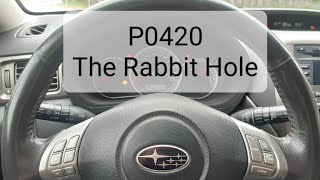
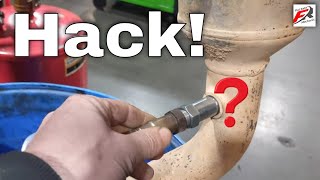
Using a fuel additive cleaner like Cataclean is sometimes suggested as a temporary measure or for borderline cases. However, it cannot repair a converter that is physically damaged, 🎬 See how to potentially fix P0420 without a full replacement. melted, or internally broken. If your converter has failed, replacement is the only permanent solution.
Is this a difficult DIY job?
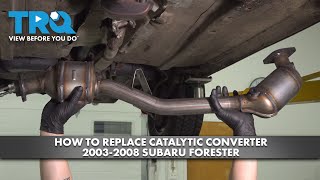
For an experienced DIY mechanic, it is a manageable job. The converter is a bolt-on part. However, the bolts are often extremely rusted and difficult to remove without an impact wrench and rust penetrant. You will also need jack stands to work safely under the car and a special socket for the oxygen sensors. If you are not comfortable dealing with stubborn, rusted exhaust components, it's best to leave this job to a professional.
🎬 Watch a complete walkthrough of the catalytic converter replacement process.Helpful Videos
Technical Specifications
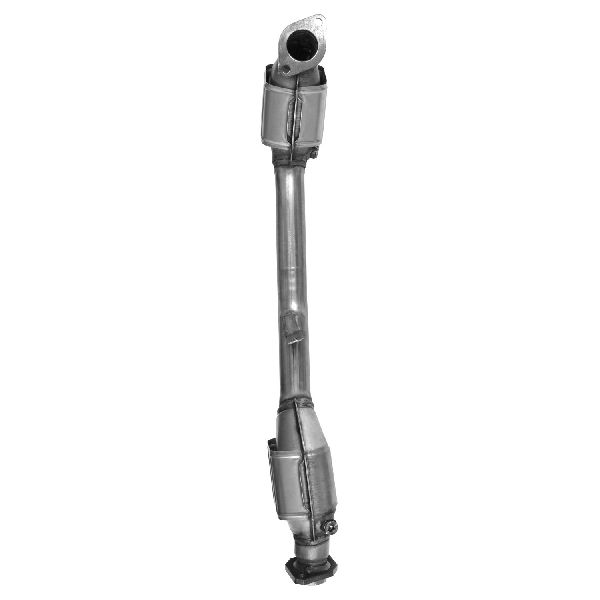
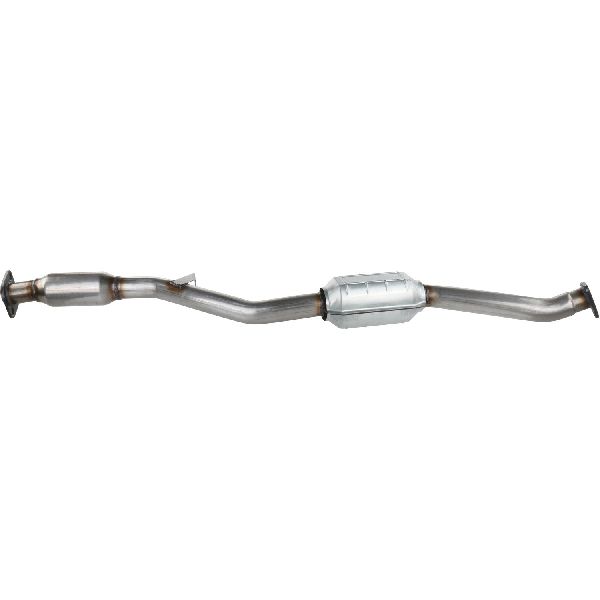
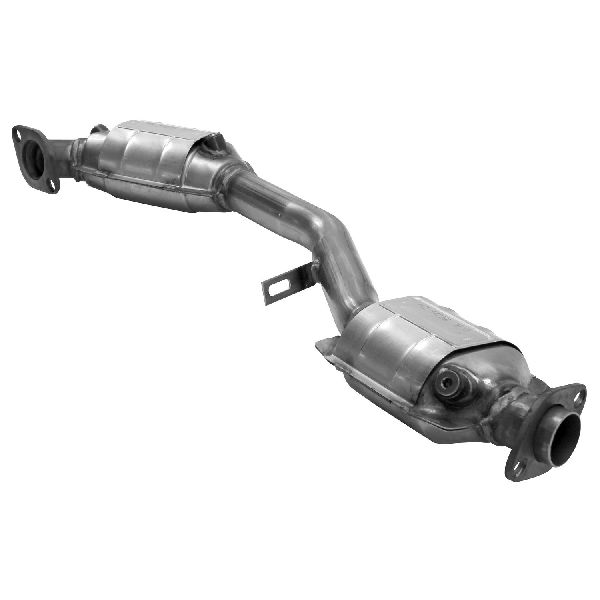
For the 2004-2011 Subaru Forester, the catalytic converter is typically a direct-fit unit integrated with the front exhaust pipe. The system uses two oxygen sensors, one upstream (before the converter) and one downstream (after the converter), to monitor its efficiency. Aftermarket replacements are available in both Federal (EPA) and CARB-compliant configurations.
We Have This Part in Stock

The information in this article is provided for general reference and educational purposes only. Vehicle specifications, procedures, and part compatibility can vary by production date, trim level, and region. Always consult your vehicle's factory service manual and verify part numbers before purchasing or performing repairs. Safety-critical components such as airbags, seat belts, and braking systems should be installed by a qualified professional.
- Subaru Forester:
- 🎬 Helpful Videos
- 🛍️ Shop This Part
- Is Your Forester's Catalytic Converter Failing?
- Common Symptoms:
- Don't Just Replace the Part - Find the Cause!
- Choosing the Right Aftermarket Converter for Your Forester
- Aftermarket Brand Tiers
- CARB Compliance Matters
- Cost of Replacing a 2004-2011 Forester Catalytic Converter
- Frequently Asked Questions
- 🎟️ Get 5% Off