

Engine Coolant Temperature Sensor Guide for 2004-2011 Toyota Corolla
Understand the symptoms of a failing coolant sensor and how to choose the right aftermarket replacement for your Corolla.
- A bad ECT sensor can cause poor fuel economy, rough idle, overheating, and will trigger the check engine light.
- The sensor is located on the driver's side of the engine near the thermostat housing and is easy for a DIYer to replace.
- Always check the sensor's wiring for damage before replacing the part, as this is a known issue on Corollas.
- For best results and reliability, choose an OEM-supplier brand like Denso, as cheap sensors can fail prematurely.
Understanding the Engine Coolant Temperature Sensor in Your Corolla

The Engine Coolant Temperature (ECT) sensor in your 2004-2011 Toyota Corolla is a critical component that ensures your engine runs smoothly and efficiently. It constantly monitors the temperature of the coolant and sends this data to your car's computer. The computer then adjusts the air-fuel mixture and controls the cooling fans. When this sensor fails, it can lead to a variety of noticeable problems, from poor performance to a check engine light.
Common Symptoms of a Bad ECT Sensor

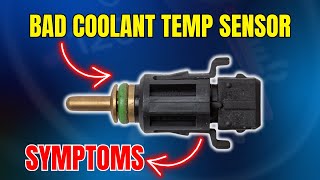
A failing ECT sensor can make your car's computer think the engine is either colder or hotter than it actually is. This confusion can cause several issues. You might notice your check engine light is on, often with codes like P0115, P0117, or P0118. Other signs include poor fuel economy, a rough idle, black smoke from the exhaust, or the engine overheating because the cooling fans don't turn on correctly. In some cases, the temperature gauge on your dashboard may give erratic readings or not move at all.
🎬 Watch: Common symptoms of a failing coolant temperature sensorWiring Issues Can Mimic a Bad Sensor
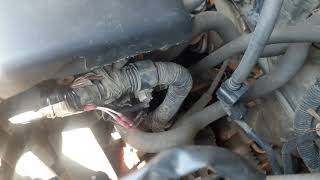
On this generation of Toyota Corolla, it's not uncommon for the wiring leading to the sensor to become frayed or damaged over time. This can cause the same symptoms as a failed sensor, including a check engine light with codes P0118 or P0125 and a temperature gauge reading -40°. Before replacing the sensor, always inspect the connector and wiring for any visible damage, corrosion, or loose connections. A simple wiring repair might be all that's needed.
🎬 See how to troubleshoot erratic temperature gauge and wiring issuesChoosing the Right Aftermarket Sensor

When it comes to replacing electronic sensors on a Toyota, quality matters. While many aftermarket options are available, they are not all created equal. For a critical part like the ECT sensor, choosing a reputable brand can save you from future headaches.
Tier 1: OEM Supplier Brands
- Denso: Denso is an original equipment manufacturer for Toyota. Choosing a Denso sensor is the closest you can get to buying the part from a Toyota dealer, often at a lower price. It is highly recommended for fit and reliability.
- NGK/NTK: Known for their quality ignition components, NTK (the sensor division of NGK) also produces high-quality sensors that are a reliable choice for Japanese vehicles.
- Delphi: Delphi is another well-respected OEM supplier with a strong reputation for producing reliable electronic components.
Tier 2: Quality Aftermarket Brands
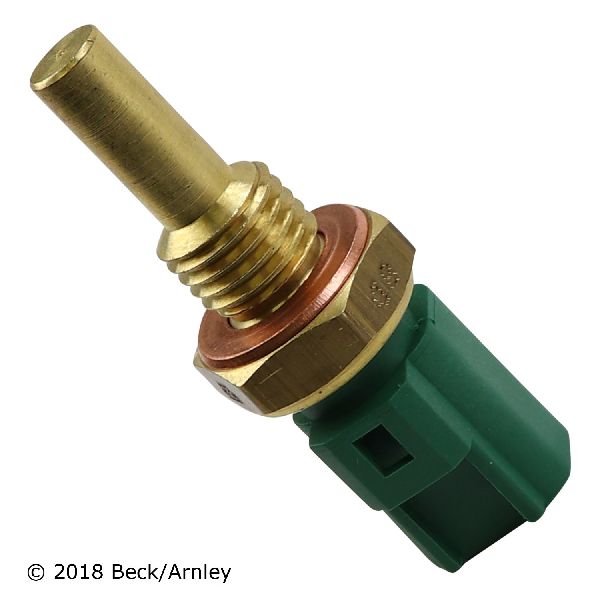
- Beck Arnley: This brand specializes in parts for import vehicles and is known for sourcing parts from reputable manufacturers, sometimes even OEM suppliers.
- Standard Ignition (SMP): A long-standing brand in the aftermarket, Standard Motor Products offers reliable sensors that meet or exceed OEM specifications.
- Hella & Vemo: These are established European brands with a reputation for quality engineering that extends to their sensor lines.
Tier 3: Economy Brands
- URO Parts, Four Seasons, Motorad, Facet, Global Parts, Holstein: These brands offer a more budget-friendly price point. While they can provide a functional replacement, their long-term reliability and the precision of their temperature readings can sometimes be inconsistent compared to higher-tier brands. For a critical sensor, it's often worth spending a little more for a brand from Tier 1 or 2 to ensure proper engine function and avoid replacing the part again sooner.
| Part Type | Estimated Cost |
|---|---|
| New OEM (Dealer) | $50 - $100+ |
| New Aftermarket (Tier 1) | $30 - $85 |
| New Aftermarket (Tier 2 & 3) | $13 - $45 |
| Shop Labor | $60 - $150 |
DIY Replacement is Feasible
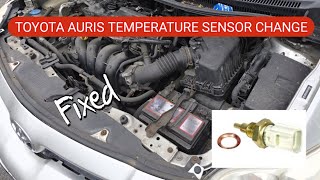
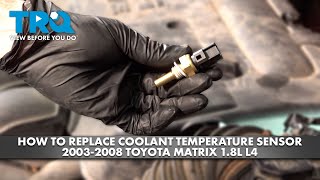
Replacing the ECT sensor on a 2004-2011 Corolla is a straightforward job for a DIYer with basic tools. The sensor is located on the driver's side of the engine, threaded into the thermostat housing near where the upper radiator hose connects. The job can typically be done in under 30 minutes. Just be sure the engine is completely cool before you start!
🎬 Watch this step-by-step guide to replacing the sensor yourselfFrequently Asked Questions

Where is the ECT sensor located on my 2004-2011 Corolla?
The sensor is on the driver's side of the engine. Follow the large upper radiator hose from the radiator to the engine block. The sensor is a small plug threaded into the metal housing that the hose connects to.
Can I replace this sensor myself?
Yes, this is a good DIY task. You'll need a deep socket (usually 19mm) and a ratchet. Make sure the engine is completely cold. When you unscrew the old sensor, a small amount of coolant will leak out, so be ready to quickly install the new one. Don't over-tighten the new sensor.
Are there any recalls for this part?
A search of the National Highway Traffic Safety Administration (NHTSA) database shows no specific recalls for the engine coolant temperature sensor on the 2004-2011 Toyota Corolla.
What happens if I don't replace a bad ECT sensor?
Ignoring a bad ECT sensor can lead to more serious problems. Continuously running a rich fuel mixture can foul spark plugs and damage the catalytic converter. More critically, if the sensor fails to trigger the cooling fans, the engine can severely overheat, potentially causing catastrophic damage like a warped cylinder head or blown head gasket.
Does my Corolla have one or two coolant sensors?
Many Toyota vehicles have two temperature-related sensors. One (the ECT sensor) sends information to the engine computer (ECM) for engine management. The other, often called a temperature sending unit, sends a signal to the temperature gauge on your dashboard. The sensor that triggers a check engine light and affects performance is the ECT sensor for the ECM.
Helpful Videos
Technical Specifications
OEM Part Numbers: 89422-33030 89422-06010 89422-12010
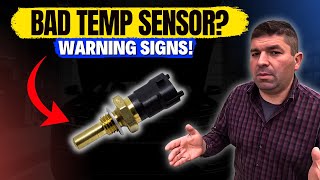
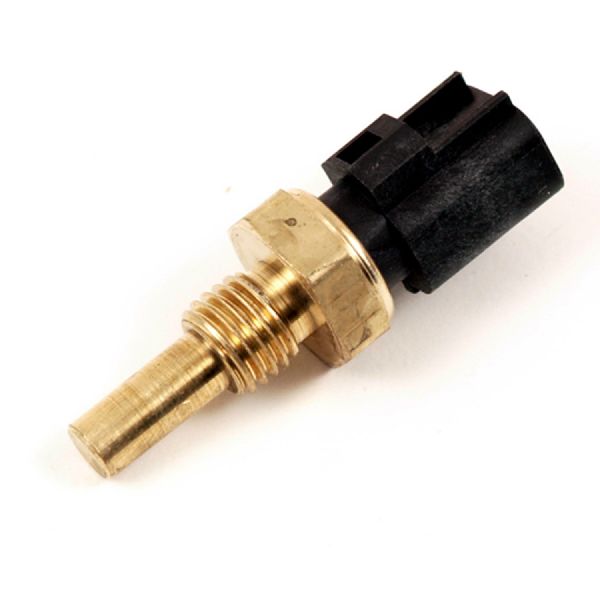
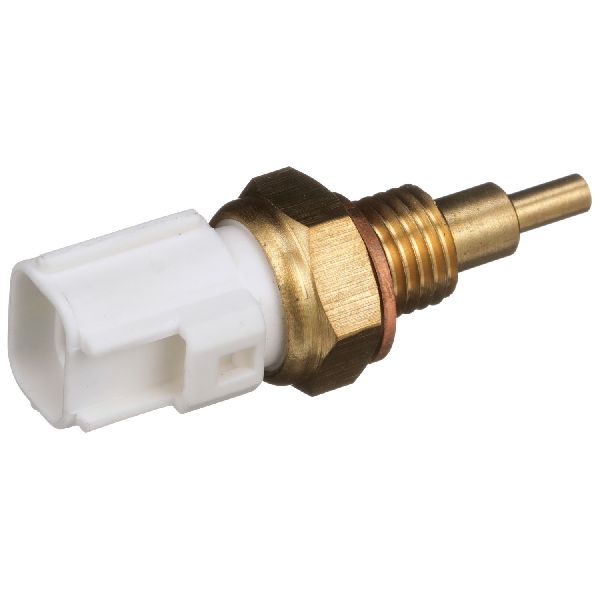
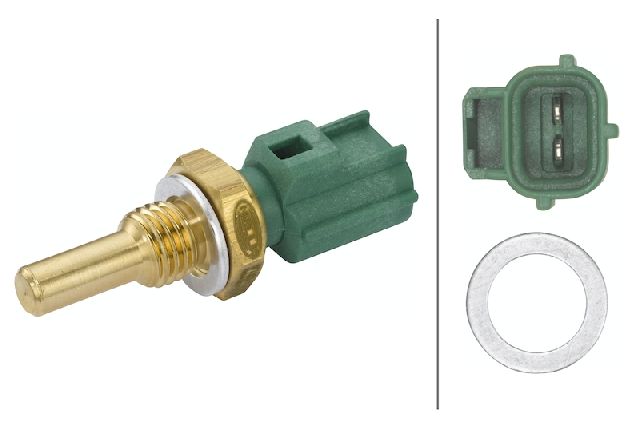
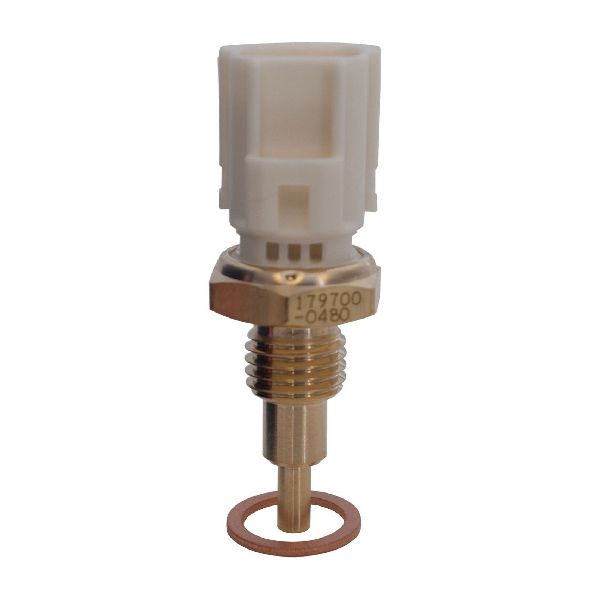
The sensor for the 2004-2011 Toyota Corolla is a thermistor that screws into the thermostat housing. It typically has a 2-pin electrical connector and requires a 19mm deep socket for removal and installation.
We Have This Part in Stock


The information in this article is provided for general reference and educational purposes only. Vehicle specifications, procedures, and part compatibility can vary by production date, trim level, and region. Always consult your vehicle's factory service manual and verify part numbers before purchasing or performing repairs. Safety-critical components such as airbags, seat belts, and braking systems should be installed by a qualified professional.
- Toyota Corolla: