

A Guide to the Engine Oil Cooler for the 2004-2011 Volkswagen Passat
Understand the common failure signs and how to choose the right replacement oil cooler for your Passat.
- The most critical sign of failure is a milky, brown sludge in the coolant tank, often misdiagnosed as a blown head gasket.
- If oil and coolant have mixed, do not drive the car to avoid catastrophic engine damage.
- Consider an upgraded aftermarket cooler with an aluminum housing to prevent future failures common with the plastic OEM design.
- A complete cooling system flush is mandatory after replacement to remove all contamination.
Is Your Passat's Engine Oil Cooler Failing?
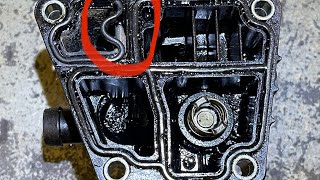
The engine oil cooler on the 2004-2011 (B6) Passat, particularly those with the 2.0T engine, is a known weak point. The original factory part often uses a plastic housing that can warp or crack from constant exposure to heat. This failure isn't just about a simple leak; it often happens internally, causing two of your car's most important fluids to mix.
The "Chocolate Milkshake" Problem
The most serious and common sign of a failed oil cooler is finding a thick, sludgy, milky brown substance in your coolant expansion tank (the plastic bottle where you check your coolant level). This happens when the higher-pressure engine oil is forced through a crack inside the cooler and into the cooling system. This contamination can clog your entire cooling system, including the radiator and heater core, leading to overheating and expensive damage. If you see this, do not drive the vehicle.
Choosing the Right Aftermarket Oil Cooler
When replacing the oil cooler, you have a choice between standard replacements and upgraded designs. Given the known issues with the original plastic parts, many owners opt for an aftermarket upgrade.
Brand Quality Tiers
- Premium Aftermarket (Upgraded Design): Brands like Dorman offer an "OE FIX" solution that replaces the failure-prone plastic housing with a full aluminum one. This is designed to be a more durable, long-term fix that prevents the warping and cracking common with the original part.
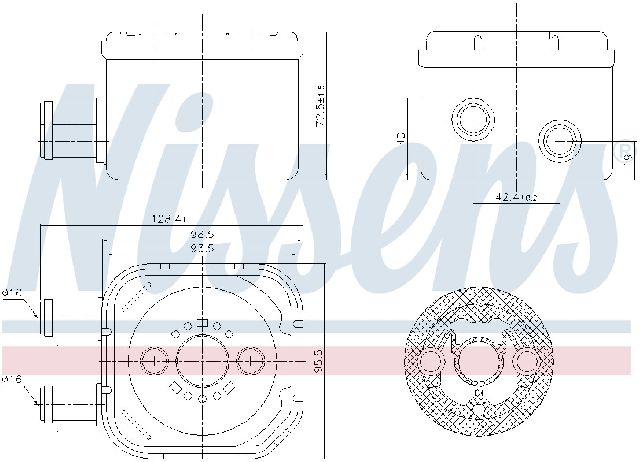
- Premium Aftermarket (OEM-Style): Brands such as Mahle, Nissens, and Febi are well-regarded suppliers that produce high-quality parts matching the original equipment (OE) design. While these are reliable, if they use a plastic housing like the original, they may be susceptible to the same failure over time.
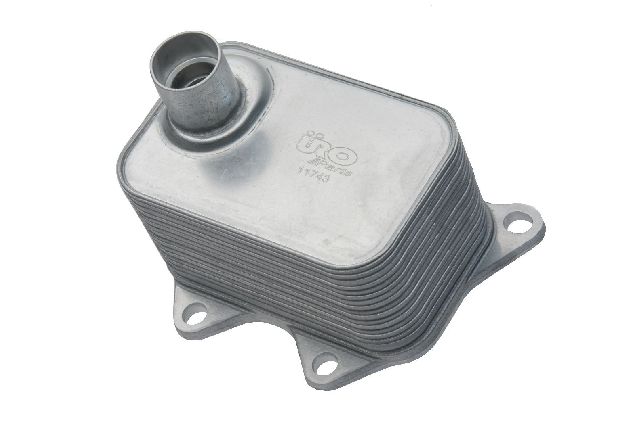
- Standard Aftermarket: Brands like URO Parts and Vemo provide a budget-friendly option. While some URO parts have a reputation for being lower-tier, their "URO Premium" line aims to offer improved components. These can be a viable choice, especially if cost is a major factor, but may not offer the same longevity as premium brands.
Pro Tip: When the oil cooler fails and mixes fluids, you must replace the entire unit, not just the gaskets. Afterwards, it is critical to have the entire cooling system professionally flushed to remove all the oily sludge. Skipping this step can lead to future overheating and damage to other cooling system components.
🎬 Watch: Identifying common coolant leaks and replacing the filter housingEngine Oil Cooler Costs for a 2004-2011 Passat
| Part Type | Estimated Cost |
|---|---|
| New Aftermarket Part | $59 - $349 |
| New OEM Part | $260 - $500 |
| Shop Labor | $410 - $601 |
| Total Professional Replacement | $470 - $950 (Aftermarket) / $670 - $1100 (OEM) |
Note: Costs are estimates and will vary based on your location, vehicle engine, and the repair shop. A cooling system flush will be an additional cost.
Frequently Asked Questions
Can I just replace the oil cooler gasket?
If you only have an external leak from the gasket, you might be able to replace just the seal. However, the most common failure is internal, causing oil and coolant to mix. In that case, the entire oil cooler assembly must be replaced to solve the problem.
Is this something I can replace myself?
This is a moderately difficult job for a DIY mechanic. It requires draining the cooling system and removing several other parts to get access, such as the alternator. While there are guides available, it can be challenging. If you are not experienced, professional installation is recommended, especially because of the critical cooling system flush needed afterward.
My mechanic says I have a blown head gasket. Could it be the oil cooler?
Yes. Oil in the coolant is a classic symptom of a blown head gasket, but on the 2.0T Passat, it is much more likely to be a failed engine oil cooler. A mechanic can perform a "block test" to check for combustion gases in the coolant, which would confirm a head gasket issue. 🎬 Watch: How to pressure test your oil cooler vs head gasket If that test is negative, the oil cooler is the prime suspect.
Are there any recalls for the engine oil cooler?
No, there are no specific safety recalls for the engine oil cooler on the 2004-2011 VW Passat. There was a recall for the *transmission* oil cooler on some 2014 models, but this is a different part.
Helpful Videos
Technical Specifications
OEM Part Numbers: 03L117021C
The key difference in aftermarket parts is the housing material. OEM and some aftermarket parts use a plastic housing, while upgraded OE FIX versions use a more durable aluminum housing to address the common failure point.
We Have This Part in Stock


The information in this article is provided for general reference and educational purposes only. Vehicle specifications, procedures, and part compatibility can vary by production date, trim level, and region. Always consult your vehicle's factory service manual and verify part numbers before purchasing or performing repairs. Safety-critical components such as airbags, seat belts, and braking systems should be installed by a qualified professional.
- Volkswagen Passat: