

Cadillac SRX Engine Valve Cover Gasket Set Guide (2004-2012)
Leaking oil or smelling burning odors? Your SRX's valve cover gaskets may be the culprit.
- Verify your engine (3.6L/4.6L for 2004-09 vs 3.0L/2.8L for 2010-12) before buying, as gaskets are not interchangeable.
- A burning oil smell is the most common symptom of a leaking valve cover gasket on the SRX.
- Choose a complete kit that includes spark plug tube seals and bolt grommets for a comprehensive repair.
- While a minor leak isn't an immediate emergency, it should be fixed to prevent fire risk and other component damage.
Understanding Your SRX's Engine Gaskets: 2004-2012
The 2004-2012 Cadillac SRX spans two different vehicle generations with different engines, which affects your choice of valve cover gaskets. It's crucial to identify your specific model year and engine before purchasing parts.
- First Generation (2004-2009): These models were typically equipped with either the 3.6L V6 or the 4.6L Northstar V8 engine.
- Second Generation (2010-2012): These newer models came with a 3.0L V6 or a 2.8L Turbo V6.
Because the engines are different, the valve cover gaskets are not interchangeable between these generations. Always verify the part fits your exact year and engine.
Signs of a Failing Valve Cover Gasket
When a valve cover gasket fails, the symptoms are usually noticeable and shouldn't be ignored. The most common sign is oil leaking from the top of the engine.
- Burning Oil Smell: This is often the first sign owners notice. Oil drips from the valve cover onto the hot exhaust manifold below, causing a distinct burning smell that can enter the cabin.
- Visible Oil Leaks: You may see wet, oily residue and grime collecting on the valve covers or the side of the cylinder head. Small leaks might not leave puddles on the ground but will be visible on the engine itself.
- Oil in Spark Plug Wells: If the spark plug tube seals fail (which are part of the gasket set), oil can pool in the spark plug tubes. This can lead to engine misfires, a rough idle, and a check engine light.
- Low Engine Oil: A significant leak will cause your engine oil level to drop over time, potentially triggering the low oil light on your dashboard.
Choosing the Right Aftermarket Gasket Set
When replacing your valve cover gaskets, you have a choice between OEM (Original Equipment Manufacturer) and aftermarket parts. For a vehicle like the SRX, high-quality aftermarket gaskets can offer a reliable seal, often at a better price. The key is choosing a reputable brand.
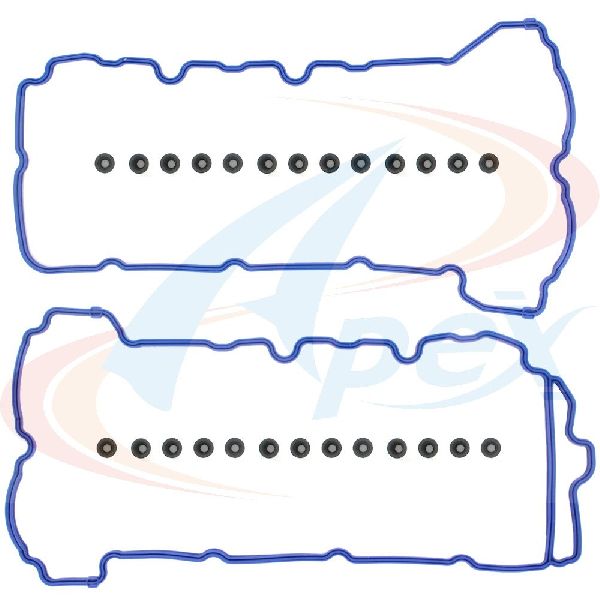
Your gasket set should always include the main valve cover gaskets, spark plug tube seals, and the bolt grommets to ensure a complete and lasting repair.
- Victor Reinz: Often considered an OEM-quality brand, Victor Reinz is a trusted name in gaskets. They are known for engineering seals that withstand high temperatures and meet or exceed original specifications, making them a strong choice for reliability.
- Apex: Apex is generally positioned as a budget-friendly option. While more affordable, the long-term durability may not match that of premium brands. This could be a viable option for those on a tight budget, but careful installation is key.
Known Issues, Recalls, and TSBs
While searches did not reveal any recalls or Technical Service Bulletins (TSBs) specifically for valve cover gasket failure on the 2004-2012 Cadillac SRX, GM did issue a safety recall for some older 3.8L engines (not in the SRX) for oil leaking from valve covers onto the exhaust. This highlights the potential fire risk associated with this type of leak. The SRX has had recalls for other issues, such as suspension components, but none directly address the valve cover gaskets.
Cost to Replace Cadillac SRX Valve Cover Gaskets
The total cost depends on whether you do the job yourself or hire a professional. The parts themselves are not very expensive, but the labor can be significant, especially on V6 and V8 engines where components like the intake plenum may need to be removed to access the rear valve cover.
| Cost Category | Estimated Price Range |
|---|---|
| New Aftermarket Gasket Set | $44.25 - $108.28 |
| Shop Labor | $215 - $465 |
| Total Professional Replacement | $281 - $549+ |
Frequently Asked Questions (FAQ)
Is it safe to drive my SRX with a leaking valve cover gasket?
You can drive with a minor leak, but it is not recommended for long. Leaking oil can damage belts and hoses, cause a fire if it drips on the hot exhaust, and lead to engine damage from low oil levels. It's best to get it repaired soon.
Do I need to use sealant (RTV) with the new gaskets?
It depends on the specific engine and gasket design. Some applications require a small amount of RTV sealant at specific points, such as where the timing cover meets the cylinder head. However, you should not apply sealant along the entire gasket unless specified by the manufacturer. Always follow the instructions for your specific part.
Is replacing the valve cover gaskets a DIY job?
For an experienced DIY mechanic, this is a feasible job. However, on the V6 and V8 engines in the SRX, accessing the rear valve cover can be difficult and may require removing the upper intake manifold. The job requires careful cleaning of the surfaces and proper torqueing of the bolts. If you are not comfortable with this level of work, it's best to leave it to a professional.
Should I replace the valve cover itself along with the gasket?
Usually, no. The valve cover itself only needs to be replaced if it is cracked or warped. A mechanic should check the cover with a straight edge to ensure it's flat and reusable. Plastic valve covers can become brittle over time and may crack during removal, so it's important to inspect them carefully.
Technical Specifications
Vehicle-specific fitment for 2004-2009 (3.6L V6, 4.6L V8) and 2010-2012 (3.0L V6, 2.8L Turbo V6) models. Gasket material is typically molded rubber or cork-rubber composite. Set should include valve cover gaskets, spark plug tube seals, and bolt grommets.
We Have This Part in Stock


The information in this article is provided for general reference and educational purposes only. Vehicle specifications, procedures, and part compatibility can vary by production date, trim level, and region. Always consult your vehicle's factory service manual and verify part numbers before purchasing or performing repairs. Safety-critical components such as airbags, seat belts, and braking systems should be installed by a qualified professional.
- Cadillac SRX: