

Chevrolet Aveo (2004-2012) Engine Coolant Temperature Sensor: A Complete Guide
Poor gas mileage, overheating, or a check engine light on your Aveo could all point to this small but critical sensor.
- A bad ECT sensor on an Aveo often causes hard starting when warm, poor fuel economy, and overheating.
- For best results, use an OEM/OES brand like ACDelco or Delphi for this replacement.
- The sensor is located on the back of the engine and is best accessed from underneath the car.
- There are no recalls for this specific part, but sensor failure is a well-documented issue among owners.
Is Your Aveo Acting Up? Check the Coolant Temp Sensor
If you own a 2004-2012 Chevrolet Aveo, the Engine Coolant Temperature (ECT) sensor is a part you should know about. This small sensor plays a big role in how your engine runs. When it fails, it can cause a surprising number of problems, from annoying to serious. A common failure on the Aveo causes the sensor to send a false, extremely cold reading (like -40°F) to the computer, leading to specific symptoms like difficulty starting when the engine is already warm.
Symptoms of a Failing ECT Sensor on a Chevy Aveo
A bad coolant sensor can make you think your car has major engine problems. Look out for these common signs:
- Check Engine Light: This is often the first sign. The computer will log a fault code, typically P0117 (signal too low/hot) or P0118 🎬 See how to diagnose a P0118 code on your Aveo. (signal too high/cold), when it sees a reading outside the normal range.
- Poor Fuel Economy: If the sensor is stuck sending a "cold" signal, the computer will inject extra fuel, thinking the engine is still warming up. This wastes gas.
- Black Smoke from Exhaust: In severe cases, the overly rich fuel mixture won't burn completely, resulting in black smoke from the tailpipe.
- Engine Overheating: If the sensor doesn't tell the computer the engine is getting hot, the cooling fans may not turn on when needed. Your temperature gauge might also read incorrectly or not move at all.
- Hard Starting When Warm: A classic Aveo symptom. The sensor fails and reads -40°. The computer then dumps fuel for a cold start into an already warm engine, causing it to flood, crank excessively, and run very rough for a few moments after starting.
Choosing the Right Aftermarket Sensor
You don't need to buy a part from the dealer, but quality matters. For a critical sensor like this, choosing a reputable brand can save you from doing the job twice. Here’s a breakdown of available brands:
- Tier 1 - OEM & OEM-Equivalent: ACDelco and Delphi are your best bets. ACDelco is the original GM parts brand. Delphi was a major parts supplier for GM, and their parts are often identical to the original factory part. For reliability, starting with one of these two is highly recommended by experienced mechanics.
- Tier 2 - Reputable Aftermarket: Brands like NGK (NTK), Standard Motor Products (SMP), and Walker Products have a long history of making reliable aftermarket parts. They are a solid choice if you're looking for a balance between cost and quality.
- Tier 3 - Standard Aftermarket: This category includes brands like Facet, Four Seasons, Hella, and others. These are budget-friendly options that will work, but their long-term durability and accuracy may not match the higher-tier brands.
Pro Tip: Some owners have reported that even brand-name sensors can be inaccurate out of the box. While rare, it's a reminder that sticking to Tier 1 or Tier 2 brands gives you the best chance of getting a quality part that works correctly the first time.
Cost of Replacing the Aveo ECT Sensor
| Part or Service | Estimated Cost |
|---|---|
| New Aftermarket Sensor | $16.51 - $40.65 |
| New OEM Sensor (ACDelco) | $20 - $45 |
| Shop Labor | $75 - $150 |
| Total Professional Replacement | $95 - $200 |
Known Issues: Recalls & Service Bulletins
Searches of the National Highway Traffic Safety Administration (NHTSA) database show several recalls for the 2004-2012 Chevrolet Aveo, including for issues with daytime running lights and fuel lines. However, there are no specific recalls or technical service bulletins (TSBs) related to the engine coolant temperature sensor for this vehicle.
Frequently Asked Questions (FAQ)
Where is the engine coolant temperature sensor located on a 2004-2012 Chevy Aveo?
The ECT sensor is located on the back of the engine cylinder head, underneath the intake manifold. It is difficult to see or reach from the top of the engine bay. Access is best gained from underneath the vehicle. You may need to remove a small intake manifold support bracket to get to it.
Can I drive my Aveo with a bad coolant sensor?
You can, but it is not recommended for an extended period. A bad sensor can cause poor performance, stalling, very poor fuel economy, and could prevent the cooling fans from working, leading to engine overheating and potential damage.
What happens if I don't replace a faulty ECT sensor?
Ignoring a bad ECT sensor will lead to persistent problems. You'll continue to have poor fuel mileage and may fail an emissions test. More seriously, you risk the engine overheating if the fans don't activate, which can cause expensive damage like a warped cylinder head or blown head gasket.
Is replacing the Aveo ECT sensor a difficult DIY job?
It's an intermediate-level job. The part itself is simple to swap—it's held in by a clip. The main difficulty is the location, which is hard to reach. If you are comfortable working under your car and in tight spaces, it is a very feasible DIY repair that can be done in about an hour.
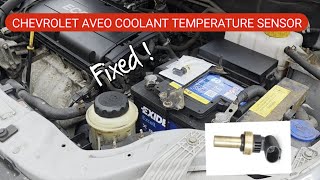
🎬 Follow this step-by-step walkthrough to replace your faulty sensor.Helpful Videos
Technical Specifications
OEM Part Numbers: 96182634 55591401 19236568
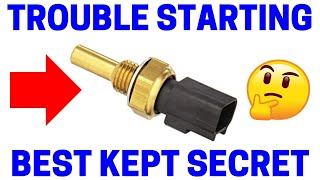
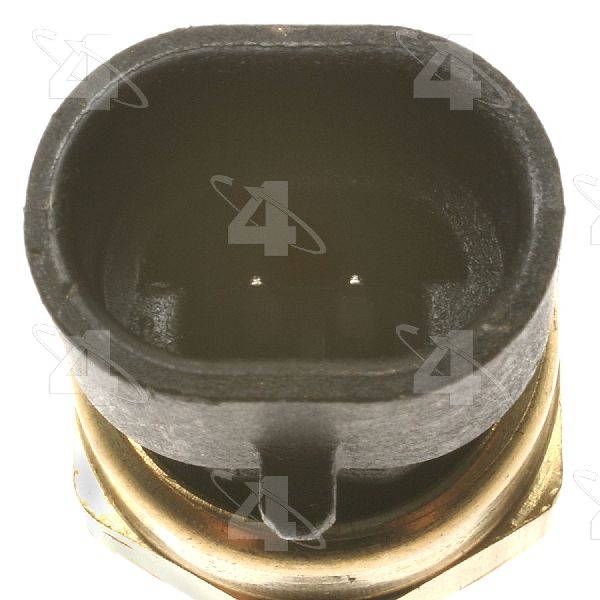
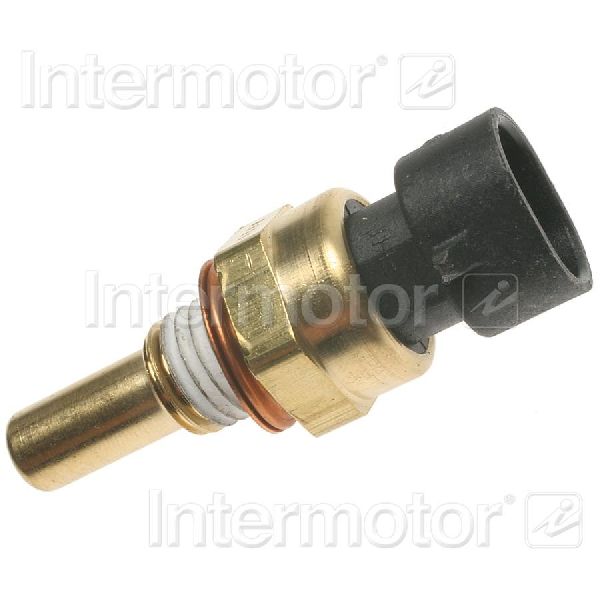
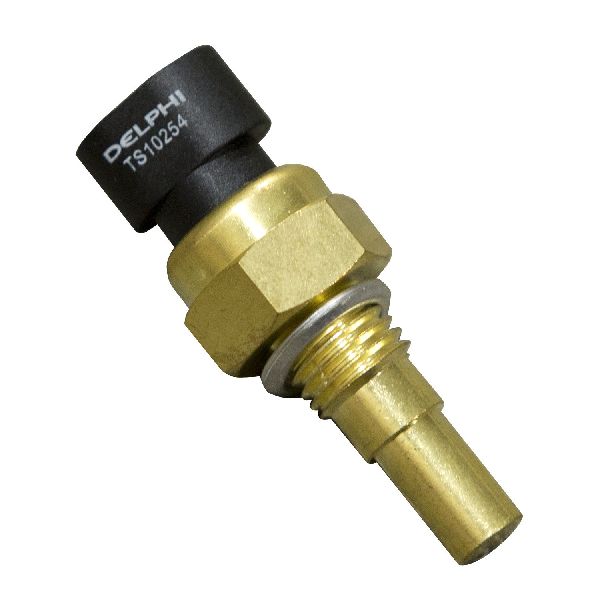
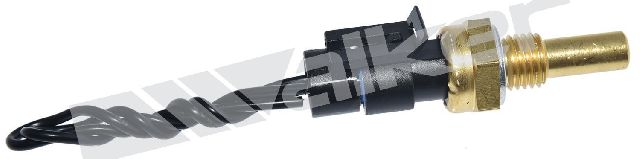
The sensor is a two-terminal thermistor with a blade-style electrical connector. It is held in place by a retaining clip, not threaded into the engine block.
We Have This Part in Stock



The information in this article is provided for general reference and educational purposes only. Vehicle specifications, procedures, and part compatibility can vary by production date, trim level, and region. Always consult your vehicle's factory service manual and verify part numbers before purchasing or performing repairs. Safety-critical components such as airbags, seat belts, and braking systems should be installed by a qualified professional.
- Chevrolet Aveo:
- 🎬 Helpful Videos
- 🛍️ Shop This Part
- Is Your Aveo Acting Up? Check the Coolant Temp Sensor
- Symptoms of a Failing ECT Sensor on a Chevy Aveo
- Choosing the Right Aftermarket Sensor
- Cost of Replacing the Aveo ECT Sensor
- Known Issues: Recalls & Service Bulletins
- Frequently Asked Questions (FAQ)
- 🎟️ Get 5% Off