

A Guide to Replacing Ignition Coils on the 2004-2012 Chevrolet Colorado
Diagnose and fix the common engine misfire issues that plague the first-generation Colorado.
- Ignition coil failure is a very common problem on 2004-2012 Colorados, causing rough idle and misfire codes (P0301, P0302, etc.).
- This is a very easy DIY repair that requires only basic tools and can be completed in under an hour.
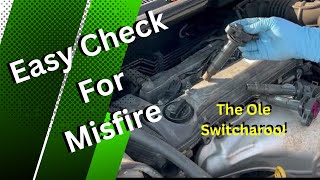
- To confirm a bad coil, swap it with one from another cylinder and see if the trouble code follows the coil.
- For longevity, it is highly recommended to replace all coils and spark plugs at the same time.
Is Your Colorado's Ignition Coil Failing?

Ignition coil failure is an extremely common problem on the first-generation Chevrolet Colorado with the Atlas family of engines (4-cylinder and 5-cylinder). The symptoms are usually easy to spot and shouldn't be ignored. A bad coil can leave you with a rough-running truck and, if neglected, can cause expensive damage to other parts like the catalytic converter.
Diagnosing the Problem
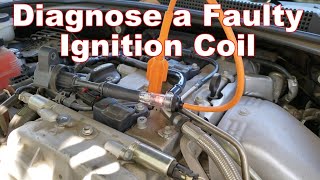
Pro Tip: How to Find the Bad Coil. The easiest way to diagnose a bad coil is to use an OBD-II scanner to read the trouble code. A code like "P0304" points to a misfire on cylinder #4. The cylinders on the inline engines are numbered 1-4 or 1-5, starting from the front of the truck. To confirm, you can swap the suspected bad coil from cylinder #4 with the coil from cylinder #3, clear the codes, and drive the truck. If the code changes to "P0303," you've confirmed the coil is the problem. 🎬 Watch this video to see how to test for a bad coil. If the code stays on P0304, the issue is likely the spark plug or another component in that cylinder.
Choosing the Right Aftermarket Ignition Coil

When replacing coils, you have a choice between OEM (Original Equipment Manufacturer) and various aftermarket brands. For the Colorado, the OEM brand is ACDelco. While ACDelco offers the highest quality and guaranteed compatibility, premium aftermarket parts can provide similar performance for a lower price.
Here's a breakdown of the available brands:
- Standard Ignition (SMP): Often considered a top-tier aftermarket brand. Standard parts are well-regarded for their quality and durability, making them a reliable alternative to OEM.
- Spectra: A solid mid-tier option that provides a good balance of price and performance. Generally receives positive feedback for its value.
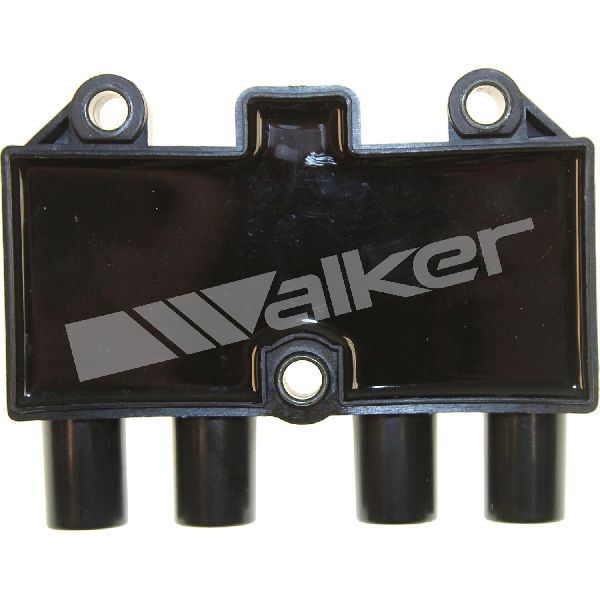
- Walker Products: An established brand in the aftermarket world. Walker offers a wide range of engine management parts and their ignition coils are a dependable choice for standard replacement needs.
- Motorad: Known for a variety of automotive parts, Motorad coils are a budget-friendly option for getting your truck back on the road.
- True Tech: This brand, often associated with Standard Motor Products, falls into the economy or standard-replacement category. It's a cost-effective choice for immediate repairs.
OEM vs. Aftermarket Quality
For a daily-driven vehicle, a reputable aftermarket brand like Standard Ignition, Spectra, or Walker Products offers a smart balance of cost and reliability. Cheaper, unbranded coils found online often have higher failure rates. Since replacing a coil on the Colorado is relatively easy, the main risk of a lower-quality part is the inconvenience of having to do the job again sooner than expected.
Known Issues, Recalls, and TSBs
There are no major safety recalls specifically for ignition coil failure on the 2004-2012 Chevrolet Colorado. Most failures are due to normal wear from age, heat, and vibration. However, it's worth noting that GM did issue recalls for the ignition switch on other vehicles from this era, but this did not apply to the Colorado and is an unrelated part. A recall for the 2004-2009 Colorado did exist for a faulty brake light switch, which is also unrelated to the ignition system.
Frequently Asked Questions (FAQ)

Do I need to replace all ignition coils at once?
It is highly recommended. Ignition coils on a vehicle have all been exposed to the same amount of heat and wear. When one fails, the others are often not far behind. Replacing them all at once is good preventative maintenance and can save you from future breakdowns.
Should I replace my spark plugs at the same time?
Yes, it's an excellent idea. The ignition coils must be removed to access the spark plugs, so you will not be adding any significant labor. Worn spark plugs can strain the new coils and cause them to fail prematurely. Using high-quality Iridium or Platinum plugs is recommended for longevity.
🎬 See a full walkthrough on changing your coils and spark plugs.Is this a difficult DIY job?
No, this is one of the easiest repairs you can do on a 4-cylinder or 5-cylinder Colorado. It requires only basic hand tools (primarily an 8mm and 10mm socket) and can be done in under an hour. The coils are located directly on top of the engine and are held in by a single bolt each.
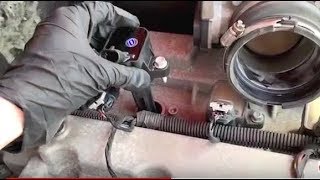
🎬 Watch a quick demonstration of the ignition coil replacement process.What do the misfire codes (P0300, P0301, P0302...) mean?
A P0300 code means you have a random or multiple-cylinder misfire. Codes from P0301 to P0305 (or P0304 on 4-cyl models) indicate a misfire on a specific cylinder (P0301 is cylinder 1, P0302 is cylinder 2, and so on). The cylinders are numbered from the front of the truck to the back.
Helpful Videos
Technical Specifications
OEM Part Numbers: 12568062 12611424 19300921
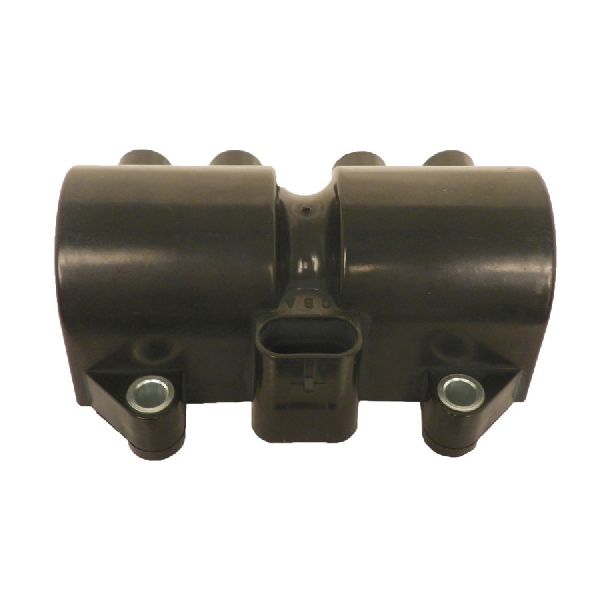
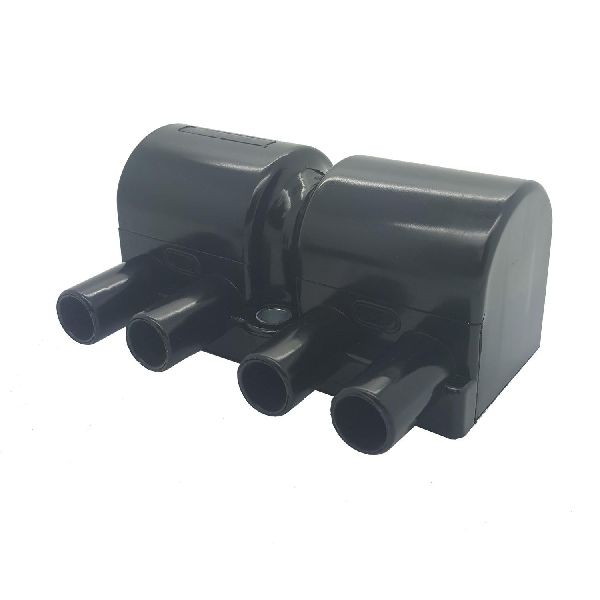
This vehicle uses a Coil-on-Plug (COP) ignition system. The 2.8L and 2.9L 4-cylinder engines require 4 coils. The 3.5L and 3.7L 5-cylinder engines require 5 coils. The rare 5.3L V8 engine requires 8 coils. Always verify your engine size before ordering.
We Have This Part in Stock


The information in this article is provided for general reference and educational purposes only. Vehicle specifications, procedures, and part compatibility can vary by production date, trim level, and region. Always consult your vehicle's factory service manual and verify part numbers before purchasing or performing repairs. Safety-critical components such as airbags, seat belts, and braking systems should be installed by a qualified professional.
- Chevrolet Chevy: