

Chevrolet Tahoe Suspension Ride Height Sensor Guide (2004-2012)
Is your Tahoe's Autoride system acting up? This guide covers the ride height sensor, a common failure point.
- This sensor is only for Tahoes with Autoride (Z55) or Magnetic Ride suspension, not standard models.
- A "Service Suspension System" light combined with a sagging rear end are the most common symptoms of failure.
- Before replacing the sensor, inspect the wiring and plastic linkage arm for visible damage, as this can mimic a sensor fault.
- Aftermarket quality varies; premium brands like Standard Ignition are a solid choice, while Dorman is a common alternative, but some users report early failures.
Is Your Tahoe's Suspension Acting Strange?
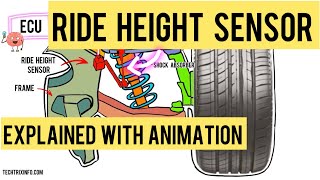
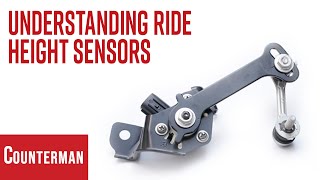
If you own a 2004-2012 Chevrolet Tahoe with the Autoride (RPO code Z55) or Magnetic Ride suspension, you have a sophisticated system that provides a great ride. However, when it fails, it can be frustrating. A common failure point is the suspension ride height sensor. These sensors tell the computer how to adjust the suspension, and when one goes bad, 🎬 See how ride height sensors work in this short animation. it can cause a host of problems.
Symptoms of a Failing Ride Height Sensor
A bad ride height sensor can make your Tahoe's suspension behave unpredictably. Here are the most common signs:
- "Service Suspension System" Message: This is the most obvious warning light you'll see on your dashboard. 🎬 Watch: How to diagnose the Service Suspension System message.
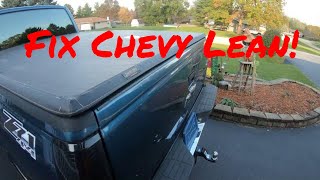
- Sagging or Leaning: The rear of the Tahoe may sag, or one corner might sit lower than the others. This is often most noticeable after the vehicle has been parked overnight.
- Poor Ride Quality: The ride may suddenly feel very bouncy, rough, or stiff as the system can't adjust properly.
- Compressor Issues: You might hear the air suspension compressor running all the time to try and correct a lean, or it may not run at all.
- Nose-Diving: The front of the truck may dip excessively when you apply the brakes.
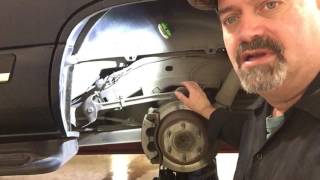
Pro Tip: Before you replace a sensor, check its plastic linkage arm and electrical connector. These arms can break, and wiring can get corroded or damaged, especially on older vehicles. These issues can cause the same symptoms as a failed sensor but are often a simpler fix.
Choosing the Right Aftermarket Sensor
When replacing a ride height sensor, you have a few options. OEM is the dealer part, but several aftermarket brands offer direct replacements at a lower cost.
- Premium Aftermarket (e.g., Standard Ignition): Brands like Standard Motor Products have a long-standing reputation for making quality electronic parts that meet or exceed OEM standards. They are often a reliable choice for critical electronic sensors.
- OE-Equivalent (e.g., Dorman): Dorman is a well-known brand that specializes in creating replacements for dealer-only parts. They often identify why the original part failed and improve the design. However, real-world feedback from mechanics can be mixed, with some reporting shorter lifespans on certain electronic parts compared to OEM.
- Value Brands (e.g., Replacement, Skyward): These brands offer the most budget-friendly options. They are a good choice if the initial cost is your main concern, but may not offer the same long-term durability as more expensive brands.
Cost of Replacing a Suspension Ride Height Sensor
| Part Type | Estimated Cost |
|---|---|
| New OEM (GM Genuine) | $180 - $325 |
| New Aftermarket | $64 - $224 |
| Shop Labor | $78 - $114 |
Note on Generations: The 2004-2012 year range covers two Tahoe generations (2004-2006 GMT800 and 2007-2012 GMT900). While the function is the same, the specific part number for the front and rear sensors may differ. Always verify the part fits your exact year before ordering.
Frequently Asked Questions
Can I replace just one ride height sensor?
Yes, you only need to replace the sensor that has failed. A mechanic can use a scan tool to see the data from each sensor to identify which one is sending incorrect signals.
Do I need to get an alignment after replacing a sensor?
It is a good idea. If your Tahoe was driving with an incorrect ride height for a long time, the alignment angles could be off, leading to uneven tire wear. Correcting the height and then checking the alignment is the best practice.
Is a special tool needed for installation?
The physical installation is straightforward and typically only requires basic hand tools to unbolt the sensor and its linkage. However, after the new sensor is installed, the system may need to be recalibrated using a professional-grade scan tool. This "relearn" procedure tells the computer the new sensor's correct baseline height.
🎬 Watch: How to perform the air suspension relearn procedure.Are there any recalls for the ride height sensor?
There are no specific NHTSA recalls for the suspension ride height sensor on the 2004-2012 Chevrolet Tahoe. Recalls for the suspension on GM trucks have typically involved other components on different model years.
Helpful Videos
Technical Specifications
OEM Part Numbers: 15128648 15098628 15128649
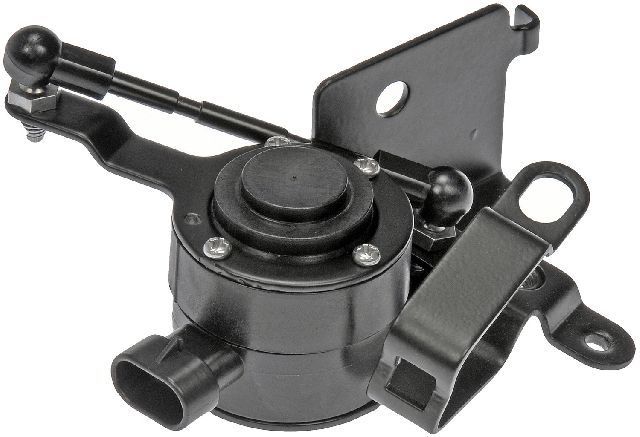
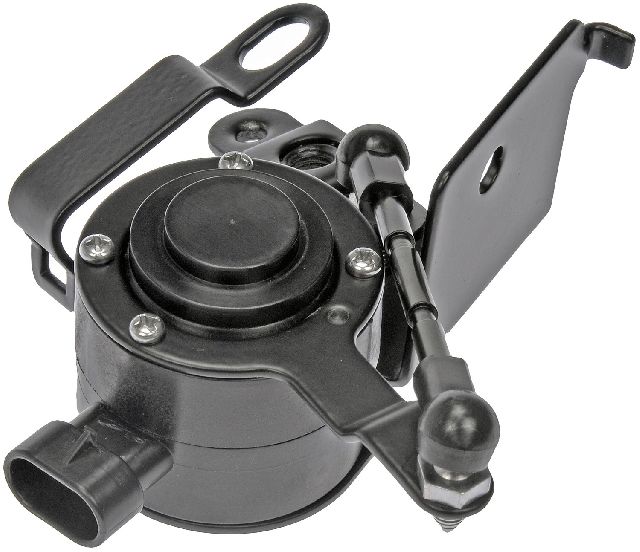
The sensor system consists of the sensor body, which mounts to the vehicle's frame, and a linkage arm that connects to the suspension control arm. It sends a variable voltage signal to the suspension control module. There are different sensors for the front and rear, and sometimes for the left and right sides.
We Have This Part in Stock


The information in this article is provided for general reference and educational purposes only. Vehicle specifications, procedures, and part compatibility can vary by production date, trim level, and region. Always consult your vehicle's factory service manual and verify part numbers before purchasing or performing repairs. Safety-critical components such as airbags, seat belts, and braking systems should be installed by a qualified professional.
- Chevrolet Tahoe: