

Ford Ranger Front Disc Brake Rotor Guide for 2004-2012 Models
Stop the shaking and learn how to choose the right replacement front brake rotors for your truck.
- The most common failure is rotor warping, which causes a vibration or pulsation when you brake.
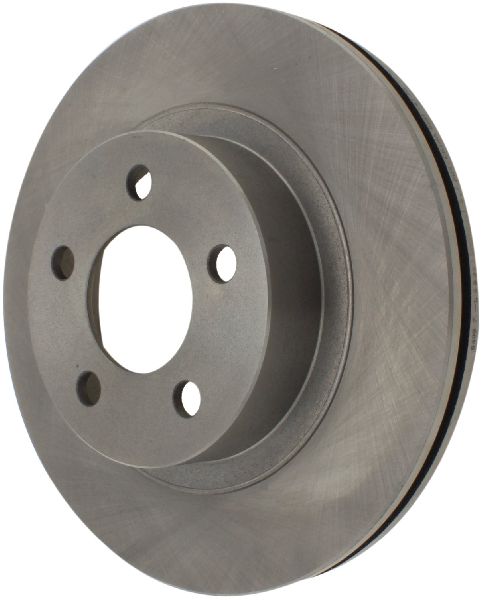
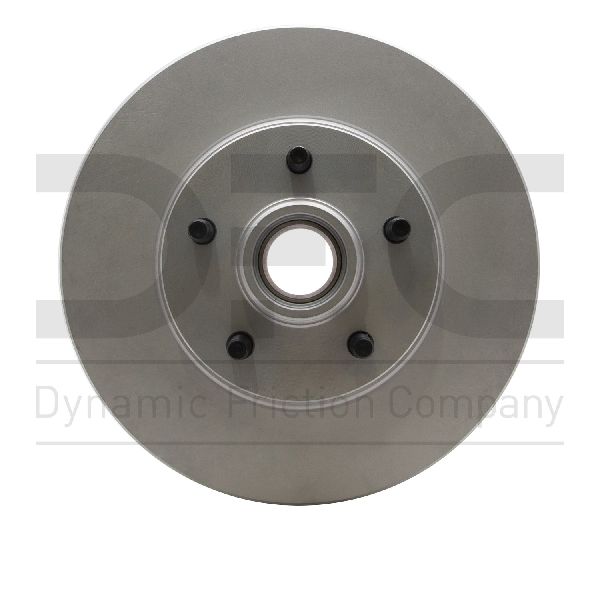
- For this Ranger, the front rotor is a one-piece unit with the wheel hub and studs, which is a critical detail when ordering parts.
- Always replace brake pads with new rotors to ensure even wear and proper performance.
- For daily driving, quality aftermarket brands like Centric or Raybestos offer the best value; for towing, consider an upgrade to a Powerstop kit.
Signs of a Failing Ford Ranger Brake Rotor
The most common complaint from 2004-2012 Ranger owners is a pulsation or vibration when braking. This is almost always caused by a warped brake rotor. Here are the top symptoms:
- Brake Pulsation: You feel a pulsing in the brake pedal or a side-to-side vibration in the steering wheel when you apply the brakes, especially from higher speeds. This happens because the brake pads are grabbing an uneven, warped rotor surface.
- Grinding or Squealing Noises: A grinding sound indicates the brake pads may be completely worn away, and metal is grinding against the rotor, destroying it. A persistent squeal can also point to a glazed or damaged rotor surface.
- Visible Damage: Look at your rotors. Deep grooves, scoring, or blueish/dark spots are clear signs of damage and overheating. The blue spots indicate the rotor has been excessively hot, which often leads to warping.
A Critical Detail for Your Ranger: The Hub Assembly
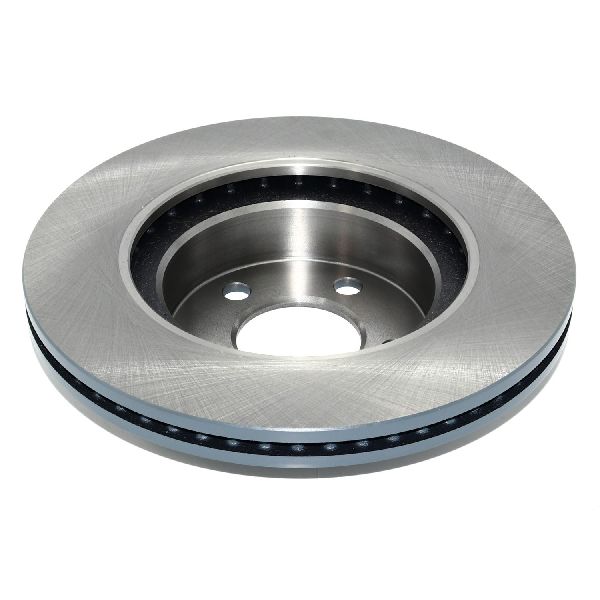
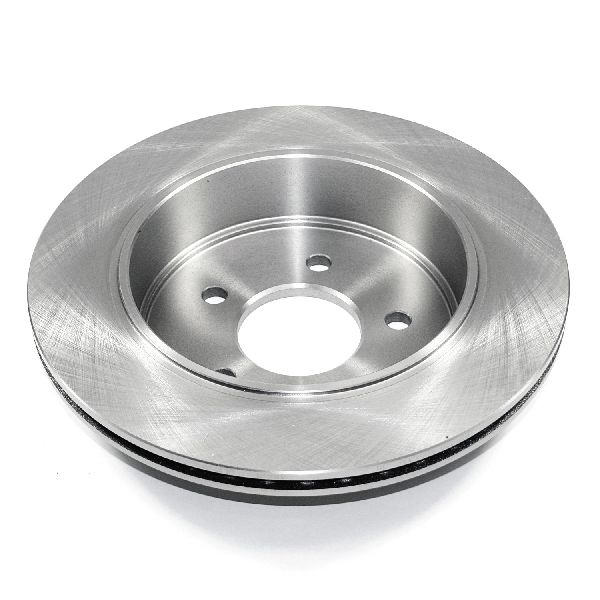
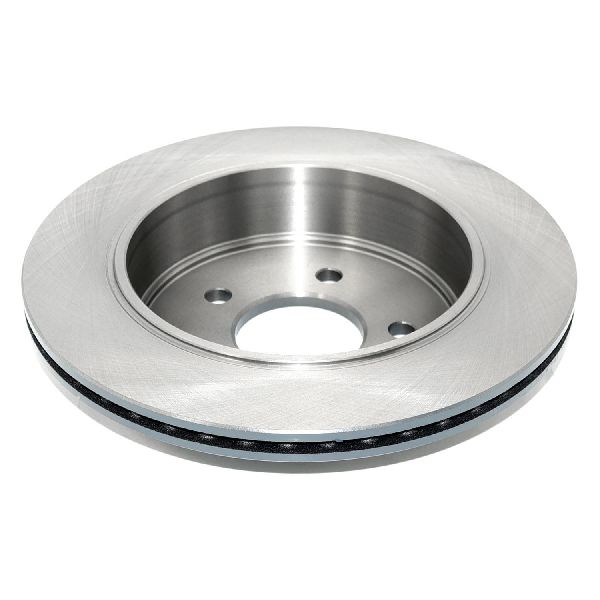
It's important to know that for 2004-2012 Ford Rangers (both 2WD and 4WD), the front disc brake rotor and the wheel hub are a single, integrated part. You cannot buy just the rotor disc. You must buy the complete rotor/hub assembly, which includes new wheel studs. This is a common point of confusion, so be sure you are ordering the correct part.
Choosing the Right Aftermarket Rotors for Your Ranger
The original Ford (Motorcraft) rotors are decent, but they are known to warp over time, especially with heavy use. Aftermarket brands often provide better value and, in some cases, better performance. Here’s how they break down:
Tier 1: Daily Driver & OEM-Equivalent
These brands offer excellent quality for everyday use and are a great value. They meet or exceed original specifications and are a smart choice for the average Ranger owner.
- Centric: A highly respected brand in the aftermarket, known for quality control and offering options like coated rotors to prevent rust.
- Raybestos: A long-standing, reputable American brand that offers quality daily-driver rotors. Their Element3 line is a popular choice.
- Bendix: Another well-established brand that provides reliable, OEM-quality brake components.
Tier 2: Premium & Heavy-Duty/Towing
If you tow, haul heavy loads, or simply want a noticeable upgrade in braking performance and longevity, these brands are worth the extra cost. They often feature superior metallurgy, coatings, and designs to handle heat better and prevent warping.
- Powerstop: Very popular in truck forums. They are well-known for their complete brake kits which often include drilled and slotted rotors paired with performance pads. These are a go-to choice for a performance upgrade.
- EBC Brakes: Offers different levels of performance, with their Yellowstuff and Greenstuff pads being popular for trucks. While some users report excellent results, others have had mixed experiences with longevity on other vehicles.
- Dynamic Friction: A brand that offers high-quality coated rotors that are a step up from standard replacements, focusing on corrosion resistance and performance.
OEM Option
- Motorcraft: This is Ford's own brand. It's a safe, reliable choice that guarantees a perfect fit. However, aftermarket options from the Premium tier may offer better performance for a similar or lower price.
What About Coated Rotors?
Many aftermarket brands like Centric, Raybestos, and Dynamic Friction offer rotors with a special coating on the non-contact surfaces (the hub and edges). This coating prevents rust, which not only looks bad behind your wheels but can also cause issues over time. For a few dollars more, coated rotors are a worthwhile upgrade, especially if you live in an area with rain, snow, or road salt.
Estimated Costs for Ford Ranger Front Rotors
| Rotor Type | Part Cost (Per Rotor) | Notes |
|---|---|---|
| Daily Driver (e.g., Centric, Raybestos) | $50 - $95 | Excellent value for normal use. Look for coated options. |
| Premium / Performance (e.g., Powerstop, EBC) | $95 - $220 | Recommended for towing, hauling, or a performance upgrade. Often includes slots/drills for better cooling. |
| OEM (Motorcraft) | $90 - $150+ | Solid, reliable choice but can be more expensive than comparable or better aftermarket options. |
Frequently Asked Questions (FAQ)
Do I have to replace my wheel bearings when I replace the rotors?
Because the rotor is a hub assembly, you will be removing the wheel bearings to get it off. While you don't have to replace the bearings if they are in good condition, it is the perfect time to do so. At a minimum, you should clean and repack the old bearings with fresh grease. Given the low cost of new bearings, most mechanics recommend installing new ones with your new rotors.
Should I get drilled or slotted rotors for my Ranger?
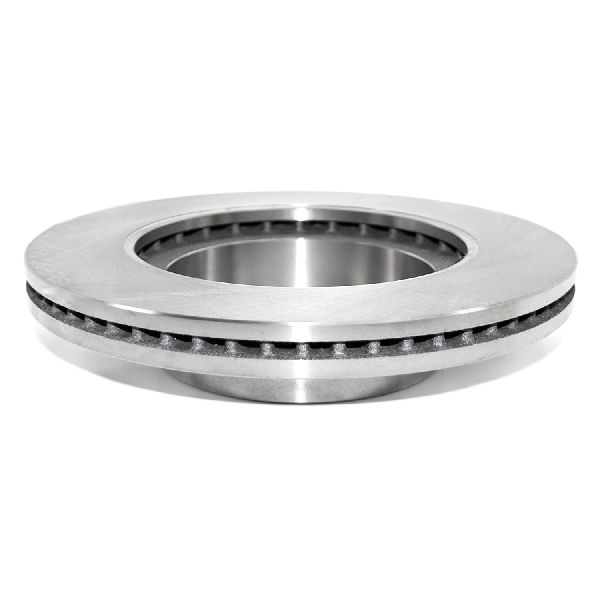
For most Ranger owners, a solid, blank rotor from a quality brand is all you need. Drilled and slotted rotors are designed to dissipate heat and gas better during very aggressive braking, like racing. They can be beneficial if you do a lot of heavy towing in hilly areas. For daily driving, they don't offer a significant advantage and may even wear out brake pads faster.
Do I need to replace my calipers and pads with the rotors?
You should ALWAYS replace your brake pads when you install new rotors. Putting old, unevenly worn pads on a new rotor will ruin the new rotor quickly. You do not need to replace the calipers unless they are seized, leaking, or the piston won't retract. A common cause of repeated rotor warping is a sticking caliper, so check that your caliper slide pins move freely.
Why did my old rotors warp?
Warping is caused by excessive heat. Common causes on a Ranger include heavy towing, frequent hard braking, a sticking caliper that doesn't release properly, or even improper tightening of the wheel's lug nuts. Using cheaper, lower-quality rotors can also make them more likely to warp.
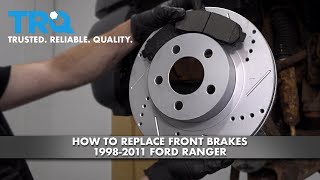
Helpful Videos
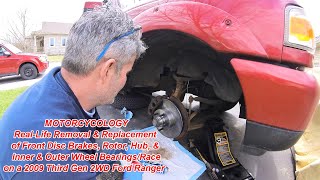
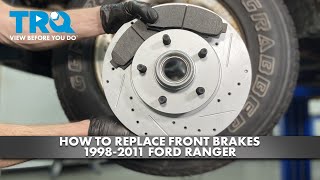
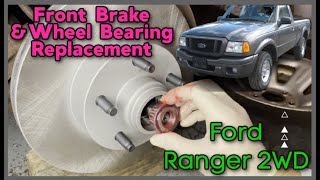
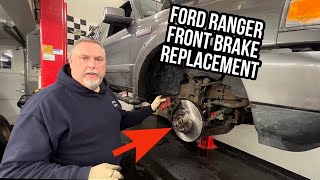
Technical Specifications
OEM Part Numbers: 3L5Z-1125-AB
The key technical specification is that this is an integrated one-piece hub and rotor assembly. It is not a separate, slide-on rotor. This applies to both 2WD and 4WD models within this year range.
We Have This Part in Stock

The information in this article is provided for general reference and educational purposes only. Vehicle specifications, procedures, and part compatibility can vary by production date, trim level, and region. Always consult your vehicle's factory service manual and verify part numbers before purchasing or performing repairs. Safety-critical components such as airbags, seat belts, and braking systems should be installed by a qualified professional.
- Ford Ranger:
- 🎬 Helpful Videos
- 🛍️ Shop This Part
- Signs of a Failing Ford Ranger Brake Rotor
- A Critical Detail for Your Ranger: The Hub Assembly
- Choosing the Right Aftermarket Rotors for Your Ranger
- Tier 1: Daily Driver & OEM-Equivalent
- Tier 2: Premium & Heavy-Duty/Towing
- OEM Option
- What About Coated Rotors?
- Estimated Costs for Ford Ranger Front Rotors
- Frequently Asked Questions (FAQ)
- 🎟️ Get 5% Off